Local SEO Ranking: How to Improve Your Visibility in Local Search
When someone searches for a nearby service, they often want to find a business they can contact or visit straight away. Local SEO helps your business appear in these searches, including Google Maps results and local organic listings. Improving your local SEO ranking can make it easier for nearby customers to discover your business.
There is no single action that guarantees a top position. Local rankings depend on several factors, and results can vary according to the search, the searcher’s location and the competition. However, a well-maintained business profile, useful website content and strong local reputation can all support better visibility.
How local search rankings work
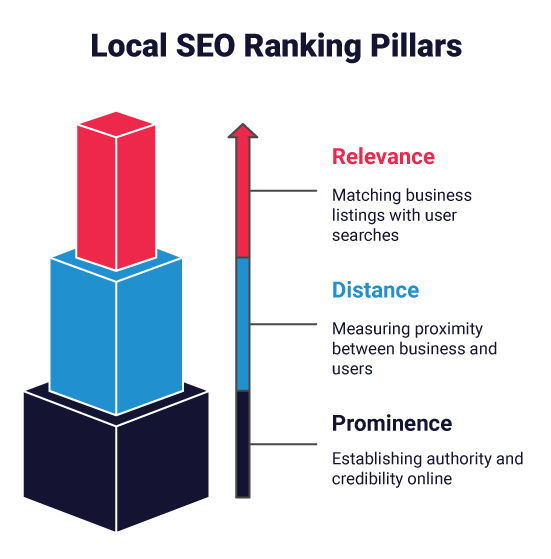
Google describes local results in terms of relevance, distance and prominence:
- Relevance: How closely your business matches what someone is searching for.
- Distance: How far your business is from the searcher or the location included in their search.
- Prominence: How well-known or established your business appears to be, based on information such as reviews, links and mentions across the web.
These factors help explain why a business may rank well for one local search but appear lower for another. Distance, in particular, is not something a business can simply optimise away.
Optimise your Google Business Profile
Your Google Business Profile is an important part of local SEO, especially for visibility in Google Maps and the local results section. Claim and verify your profile, then complete it as accurately as possible.
- Use your real-world business name and select the most relevant primary category.
- Add accurate opening hours, contact details and a website link.
- Describe your services clearly and keep the information up to date.
- Add genuine, high-quality photos that represent your business.
- Set a precise address if customers visit you, or define your service area if you travel to them.
Make sure your details follow Google’s guidelines. Adding keywords to your business name when they are not part of your genuine trading name can lead to problems with your profile.
Keep business information consistent
Your business name, address and phone number should be accurate wherever they appear online. Check your website, business directories, social profiles and industry listings for outdated or inconsistent information. Correct details help potential customers contact you and make it easier for search engines to understand your business.
Prioritise important, reputable directories rather than submitting your details to every listing site you can find. Accuracy and relevance matter more than the number of citations.
Create useful local website content
Your website should make it clear what you do, where you operate and who you serve. Include your location naturally in relevant page titles, headings and copy, without repeating it unnaturally or creating thin pages for every nearby town.
Consider creating dedicated pages for your main services and locations when each page can offer genuinely useful information. For example, a location page might explain the services available there, local coverage, travel arrangements and how customers can get in touch.
Also make sure your contact details are easy to find. A clear contact page, an embedded map where appropriate and consistent business information can help visitors and search engines alike.
Build and manage your reviews
Reviews can influence how people perceive your business and may contribute to its prominence in local search. Invite customers to leave honest feedback after a genuine interaction. Make the process straightforward, but do not offer rewards for positive reviews or pressure customers to change their opinions.
Respond to reviews in a professional and timely manner. Thank customers for positive feedback and address concerns calmly, without sharing private information. A thoughtful response shows that your business takes customer experience seriously.
Earn local links and mentions
Links from relevant, trusted websites can help establish your business’s authority. Look for genuine opportunities in your community, such as local business associations, sponsorships, partnerships, events or industry publications. The aim is to build real connections and useful recognition, not to collect low-quality links.
Accurate mentions of your business in local news, professional directories and community websites can also help people discover you and reinforce your local presence.
Make your website easy to use on mobile
Many local searches happen on mobile devices, where visitors may want to call, check directions or make a booking. Ensure your website loads reliably, works on smaller screens and makes important actions easy to find. Check that phone numbers are clickable and that forms are simple to complete.
Track your local SEO progress
Monitor more than rankings alone. Use Google Business Profile performance data, website analytics and search reporting tools to understand whether local visibility is leading to useful actions, such as calls, direction requests, bookings or enquiries.
When reviewing rankings, remember that results can differ by location, device and search wording. Track a consistent set of relevant searches over time, and assess them alongside traffic and customer enquiries.
A steady approach to local SEO
Improving your local SEO ranking is an ongoing process. Start with accurate business information, a complete Google Business Profile and a website that clearly explains your services and locations. Then build your reputation through excellent customer service, genuine reviews and relevant local relationships.
Consistent improvements can strengthen your visibility and help nearby customers choose your business. While no SEO approach can guarantee a particular position, useful information and a trustworthy online presence provide a strong foundation for local search.
Top 25 FAQs About Local SEO Ranking: A Comprehensive Guide
- How do you rank local search?
- How to do local SEO in 2022?
- How do I find the best local SEO company?
- How do I rank higher in local SEO?
- How is local SEO done?
- How do I check my SEO ranking on Google?
- How can I rank higher in local SEO?
- How do you rank in local search results?
- How long does it take to rank on local SEO?
- What is local SEO vs organic SEO?
- How do I check my SEO ranking?
- Is local SEO still relevant?
- Is local SEO paid?
- How do I rank in Google local SEO?
- What is the best way to rank local business in local SEO?
- What is local SEO audit?
- What is SEO vs local SEO?
- What is local rank?
- How are local keywords ranked?
- What is Google local ranking?
- What is local SEO ranking?
- How do I rank first in local SEO?
- How do I rank locally in SEO?
- How do you rank local keywords?
- What are the 4 SEO rank factors?
How do you rank local search?
To improve your local search ranking, keep your Google Business Profile complete and accurate, use consistent business details across your website and reputable directories, and create useful pages that clearly describe your services and locations. Encourage genuine customer reviews and respond to them professionally, while building relevant links and mentions from trusted local organisations. Make sure your website works well on mobile and track calls, enquiries and other meaningful results—not just rankings. Local visibility also depends on factors such as relevance, distance and prominence, so no single tactic can guarantee a particular position.
How to do local SEO in 2022?
To do local SEO in 2022, start by claiming and completing your Google Business Profile with accurate details, relevant categories, opening hours and photos. Keep your business name, address and phone number consistent across your website and reputable directories, and create useful pages that explain your services and the areas you cover. Encourage customers to leave honest reviews and respond to them professionally. You can also build local visibility by earning links and mentions from relevant community organisations and websites. Track calls, enquiries and website visits alongside rankings, as local results can vary depending on the searcher’s location.
How do I find the best local SEO company?
To find the best local SEO company, look for a provider with experience in your industry or area, a clear explanation of its approach and examples of relevant results. Ask how it will improve your Google Business Profile, local website visibility and reviews, and how it measures progress. A trustworthy company will set realistic expectations, communicate regularly and tailor its work to your goals rather than promise guaranteed rankings. Before signing, check independent reviews, understand what is included in the fees and make sure you retain access to your website and business profiles.
How do I rank higher in local SEO?
To rank higher in local SEO, keep your Google Business Profile complete and accurate, use consistent business details across your website and relevant directories, and create useful content about your services and the areas you serve. Encourage genuine customer reviews and respond to them professionally, while earning relevant links and local mentions. Make sure your website works well on mobile and clearly displays your contact details. Local rankings also depend on factors such as relevance, distance and prominence, so track your progress over time rather than expecting a guaranteed position.
How is local SEO done?
Local SEO is done by making your business easy for nearby customers and search engines to find and understand. This includes completing and regularly updating your Google Business Profile, keeping your business name, address and phone number accurate across relevant online directories, and creating useful website content about your services and locations. Encourage genuine customer reviews, respond to feedback, earn relevant local links and make sure your website works well on mobile. Track calls, enquiries and other local search activity to see what is working and where improvements are needed.
How do I check my SEO ranking on Google?
To check your SEO ranking on Google, search for the relevant keywords in an incognito or private browser window and note where your website appears. However, results can vary by location, device and search history, so this is only a rough guide. For more reliable insights, use Google Search Console to see the queries your site appears for, its average position, clicks and impressions. You can also use a rank-tracking tool to monitor selected keywords in specific locations over time.
How can I rank higher in local SEO?
To improve your local SEO ranking, keep your Google Business Profile complete and up to date, with accurate contact details, opening hours and relevant categories. Make sure your website clearly explains your services and the areas you cover, and keep your business name, address and phone number consistent across trusted online directories. Encourage customers to leave honest reviews and respond to them professionally. A mobile-friendly website, useful local content and genuine links or mentions from relevant local organisations can also help. Local rankings depend on factors such as relevance, distance and prominence, so focus on steady improvements rather than expecting a guaranteed position.
How do you rank in local search results?
To improve your ranking in local search results, keep your Google Business Profile complete and accurate, choose the most relevant business categories, and ensure your name, address and phone number are consistent across your website and reputable directories. Create helpful website content about your services and the areas you genuinely serve, encourage customers to leave honest reviews, and build relevant links and mentions from local organisations. Local rankings also depend on factors such as the searcher’s distance from your business, so no particular position can be guaranteed.
How long does it take to rank on local SEO?
There’s no fixed timeline for ranking in local search. Some improvements, such as correcting your business details or completing your Google Business Profile, may show results within a few weeks, while building stronger visibility through reviews, relevant local links and useful website content can take several months. The time it takes depends on factors such as your location, competition, website history and the quality of your local SEO work. Track progress over time, and focus on attracting relevant enquiries rather than rankings alone.
What is local SEO vs organic SEO?
Local SEO focuses on improving your visibility in location-based searches, such as “plumber near me”, and in Google Maps results. It helps search engines connect your business with nearby customers using signals such as your Google Business Profile, location details, reviews and local relevance. Organic SEO aims to improve your website’s visibility in unpaid search results more broadly, regardless of the searcher’s location. The two approaches overlap: a well-optimised website can support both, but local SEO places greater emphasis on geographic relevance and local business information.
How do I check my SEO ranking?
To check your SEO ranking, search for relevant keywords in Google and note where your website appears, but remember that results can vary by location, device and search history. For a more consistent view, use Google Search Console to review the queries bringing people to your site, your average positions, impressions and clicks. You can also use a rank-tracking tool to monitor selected keywords and locations over time. Look beyond rankings alone: organic visits, enquiries and conversions help show whether your SEO is attracting the right audience.
Is local SEO still relevant?
Yes, local SEO is still relevant for businesses that serve customers in specific areas. People continue to use search engines and map listings to find nearby services, check opening hours and compare reviews. Keeping your business details accurate, maintaining your Google Business Profile and providing helpful local information can make it easier for potential customers to find and choose you. Local SEO cannot guarantee a particular ranking, but it remains a valuable way to improve your visibility in local searches.
Is local SEO paid?
Local SEO is not paid in the sense that you do not have to pay search engines to appear in organic local results or Google Maps. You can manage many basics yourself, such as keeping your business information accurate, updating your Google Business Profile and asking customers for honest reviews. However, you may choose to pay for professional SEO support, website improvements, tools or local advertising. Paid adverts are separate from organic local rankings and do not guarantee a higher position in them.
How do I rank in Google local SEO?
To rank in Google local SEO, make sure your Google Business Profile is verified, complete and accurate, with the right business category, contact details, opening hours and service information. Keep your name, address and phone number consistent across your website and reputable directories, and create useful pages that clearly explain your services and the areas you cover. Encourage customers to leave honest reviews and respond to them professionally. A mobile-friendly website, relevant local links and regular updates can also strengthen your visibility. Local rankings depend on relevance, distance and prominence, so no tactic can guarantee a particular position.
What is the best way to rank local business in local SEO?
The best way to improve a local business’s SEO ranking is to keep its Google Business Profile complete and accurate, ensure its name, address and phone number are consistent across the web, and create useful website content for the services and areas it serves. Encourage genuine customer reviews and respond professionally, while building relevant local links and mentions. Monitor calls, enquiries and other meaningful actions as well as rankings, as local results can vary by searcher location and competition.
What is local SEO audit?
A local SEO audit is a review of how well your business is set up to appear in local search results. It typically checks your Google Business Profile, website content, contact details and business listings for accuracy and consistency, as well as reviews, local links, mobile usability and technical issues. The findings help identify what is working, where information needs correcting and which improvements could make it easier for nearby customers to find your business.
What is SEO vs local SEO?
SEO (search engine optimisation) aims to improve a website’s visibility in search results more broadly, often targeting national or international audiences. Local SEO focuses on searches with a geographical intent, such as “plumber near me” or “plumber in Bristol”, helping a business appear in local results and Google Maps. It uses many of the same foundations as SEO, but places greater emphasis on accurate business details, local relevance and customer reviews.
What is local rank?
Local rank is the position a business appears in search results for a location-based query, such as “plumber near me” or “café in Bristol”. It can refer to rankings in Google Maps and the local results shown in search, as well as local organic listings. A business’s position may vary depending on the searcher’s location, the wording of the search and factors such as relevance and prominence.
How are local keywords ranked?
Local keywords are ranked according to how relevant a business is to the search, how close it is to the person searching and how prominent or trusted it appears online. Search engines consider signals such as the business’s Google Business Profile, locally relevant website content, reviews and links, alongside the searcher’s location and wording. As a result, rankings can vary between locations and searches, and no single keyword guarantees a fixed position.
What is Google local ranking?
Google local ranking is the position your business appears in when people search for nearby products or services, including in Google Maps and local search results. Google mainly considers how relevant your business is to the search, how close it is to the searcher and how prominent or well-known it appears. Accurate business details, a complete Google Business Profile, positive genuine reviews and useful local website content can all support your visibility, but rankings may vary depending on the search and the person’s location.
What is local SEO ranking?
Local SEO ranking refers to where a business appears in search results when people look for products or services in a specific area. These results may include Google Maps listings and local business results. Rankings are influenced by factors such as how relevant the business is to the search, its distance from the searcher and its prominence online, including its reviews and reputation.
How do I rank first in local SEO?
There’s no guaranteed way to rank first in local search, as results vary by searcher location, competition and the relevance of each business. To improve your chances, keep your Google Business Profile complete and accurate, choose the right categories, make sure your website clearly describes your services and service areas, and maintain consistent contact details across reputable directories. Encourage genuine customer reviews, respond to them professionally, and build links and mentions through relevant local organisations. Track calls, enquiries and other useful actions as well as rankings, and keep your information up to date.
How do I rank locally in SEO?
To rank locally in SEO, make sure your Google Business Profile is claimed, verified and complete, with accurate contact details, opening hours, services and business categories. Keep your name, address and phone number consistent across your website and reputable directories, and create helpful pages that clearly explain the services and locations you cover. Encourage genuine customer reviews and respond professionally, while earning relevant links and mentions from trusted local organisations. Track local visibility alongside calls, visits and enquiries, as rankings can vary by searcher location and no single tactic guarantees a particular position.
How do you rank local keywords?
To rank for local keywords, make sure your website clearly explains which services you offer and where you provide them. Use relevant location terms naturally in page titles, headings and useful service or location pages, rather than repeating them unnaturally. Keep your Google Business Profile complete and accurate, ensure your business details are consistent across trusted directories, and encourage genuine customer reviews. Local links and mentions can also help build your prominence. Rankings vary by searcher location and competition, so track relevant searches alongside calls, visits and enquiries.
What are the 4 SEO rank factors?
There is no universally recognised list of exactly four SEO ranking factors. For local SEO, Google highlights relevance, distance and prominence; businesses can also strengthen their local visibility with a well-optimised website, including useful location-specific content and a good mobile experience. In practice, focus on matching your services to the search, keeping your business information accurate, building a strong reputation through genuine reviews and making your website helpful to local customers.