
Web Search Engine Optimisation: A Practical Guide
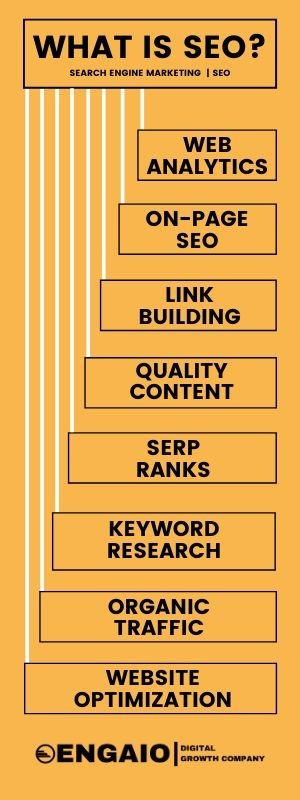
Web search engine optimisation, commonly known as SEO, is the process of improving a website so that it is easier for search engines to understand and more useful to the people who visit it. A well-planned SEO strategy can help a website appear in relevant search results, attract the right audience and support business growth over time.
SEO is not a quick fix or a one-off task. Search engines continually update how they assess websites, and competitors are working to improve their own visibility. Sustainable results come from consistently publishing helpful content, maintaining a technically sound website and understanding what visitors are looking for.
How search engines work
Search engines generally follow three stages: crawling, indexing and ranking. Crawling is when automated programmes discover pages and follow links. Indexing is the process of organising and storing information about those pages. When someone searches, the search engine ranks relevant results according to many signals, including the usefulness, relevance and accessibility of a page.
SEO helps make a website easier to discover and interpret. It cannot guarantee a particular position, as rankings depend on search engine systems and the quality of competing results. The aim is to give each page the best opportunity to serve a searcher’s needs.
Understand your audience and search intent
Effective optimisation starts with people, not keywords. Consider what your audience wants to know, compare or do. Someone searching for “how to choose a running shoe” is likely looking for guidance, while someone searching for “buy running shoes” may be ready to make a purchase. These searches have different intentions and are best served by different pages.
Keyword research can reveal the language people use and the questions they ask. Use these insights to plan useful pages, but avoid forcing phrases into copy where they do not fit. Content should sound natural and provide a clear, complete answer.
Create helpful, high-quality content
Strong content is accurate, original and written for its intended audience. It should explain a subject clearly, offer practical value and make the next step easy to understand. Depending on the topic, useful content might include detailed guides, product information, service pages, comparison tables or answers to frequently asked questions.
Organise information with descriptive headings and concise paragraphs. Give each page a clear purpose, and avoid publishing multiple pages that cover the same subject in nearly identical ways. Keep important information up to date, especially when facts, products or services change.
Improve on-page SEO
On-page SEO helps visitors and search engines understand what a page is about. Key elements include:
- Page titles: Write a distinctive, accurate title that describes the page.
- Headings: Use a logical heading structure to organise the content.
- URLs: Keep addresses clear, readable and relevant to the page.
- Internal links: Connect related pages with descriptive link text.
- Images: Use appropriate file sizes and meaningful alternative text where it helps explain an image.
- Meta descriptions: Summarise the page clearly to encourage relevant searchers to visit. They can influence clicks, although they are not a direct ranking factor.
Look after the technical foundations
A technically sound website makes it easier for search engines to access and process its pages. Check that important content can be crawled, that pages use secure HTTPS and that the site works well on mobile devices. Page speed and stability also matter to visitors, so reduce unnecessary scripts, optimise images and review performance regularly.
Other useful checks include fixing broken links, using redirects carefully when URLs change, providing a sitemap and preventing duplicate or low-value pages from causing confusion. Structured data may help search engines interpret certain information, but it does not guarantee enhanced search results.
Build authority responsibly
Links from other websites can help search engines discover pages and provide context about a site’s reputation. Focus on earning links by creating genuinely useful resources, sharing original research and building relationships within your industry. Avoid buying links or using schemes designed to manipulate rankings; these approaches can put a website’s visibility at risk.
Measure and improve
SEO performance should be assessed against meaningful goals, not rankings alone. Monitor organic visits, enquiries, sales and other actions that matter to the organisation. Search analytics can also show which queries bring visitors to a site and which pages may need improvement.
Use the data to identify opportunities, test changes and refine your approach. Results often take time, and fluctuations are normal. A steady programme of useful content, technical maintenance and thoughtful measurement is more dependable than chasing short-lived tricks.
SEO as a long-term investment
Web search engine optimisation brings together content, technical quality and a clear understanding of audience needs. When these elements work together, a website is more likely to attract relevant visitors and provide a positive experience once they arrive. The best SEO strategy is not about trying to outsmart search engines; it is about making a website genuinely useful, accessible and easy to understand.
Essential FAQs on Web Search Engine Optimisation: Understanding SEO and Its Applications
- What is SEO and its examples?
- What are the 5 types of SEO?
- What is SEO in web search?
- What is SEO optimization?
- How do I optimize my website for search engines?
- What is SEO and examples?
- How do I start SEO for my website?
- What is SEO website optimization?
- Can I do SEO myself?
- What is web search Optimisation?
- What is SEO & How it works?
- What is search engine optimization in web technology?
- What are the 4 types of SEO?
- What are the 3 types of SEO optimizations?
- What is Optimisation of search engine?
- What is SEO and types of SEO?
- What is SEO and why it is used?
- What is SEO and how does it work?
- How do you optimize a search engine?
What is SEO and its examples?
SEO, or search engine optimisation, is the process of improving a website so it is easier for search engines to understand and more likely to appear in relevant search results. Examples include researching the phrases people use when searching, writing helpful content that answers their questions, improving page titles and headings, making a site faster and mobile-friendly, adding descriptive links between related pages, and earning links from reputable websites.
What are the 5 types of SEO?
The five commonly recognised types of SEO are on-page, off-page, technical, local and e-commerce SEO. On-page SEO improves elements such as page content, headings and titles; off-page SEO builds a site’s reputation through relevant links and mentions; technical SEO helps search engines crawl and index a website; local SEO improves visibility in location-based searches; and e-commerce SEO helps online shops optimise product pages and category pages. These categories often overlap, and the right mix depends on a website’s goals and audience.
What is SEO in web search?
SEO, or search engine optimisation, is the process of improving a website so search engines can understand its content and show it to people searching for relevant information, products or services. It involves creating useful content, organising pages clearly and making sure the website is accessible, fast and mobile-friendly. SEO can help attract more relevant visitors from unpaid search results, but rankings are not guaranteed and improvements usually take time.
What is SEO optimization?
SEO optimisation, more commonly called search engine optimisation (SEO), is the process of improving a website so search engines can understand its content and people can find it more easily in relevant search results. It includes creating useful content, improving page titles and headings, making the site fast and mobile-friendly, and ensuring search engines can access its pages. “SEO optimisation” is technically repetitive, as the “O” in SEO already stands for “optimisation”.
How do I optimize my website for search engines?
To optimise your website for search engines, start by understanding what your audience is searching for and create useful, accurate content that meets those needs. Use relevant search terms naturally in page titles, headings, URLs and copy, and organise your site with clear navigation and helpful internal links. Make sure your website is mobile-friendly, secure, quick to load and easy for search engines to crawl. Keep information up to date, use descriptive text for images where appropriate, and monitor performance with analytics tools so you can identify what is working and improve over time.
What is SEO and examples?
SEO, or search engine optimisation, is the process of improving a website so it can be found more easily in relevant search results and provides a useful experience for visitors. For example, a local plumber might create a clear service page targeting “emergency plumber in Bristol”, improve the site’s mobile speed, and add accurate business details to local listings. An online shop could write helpful product descriptions, use descriptive page titles and link related products together. These steps can help search engines understand a website and connect it with people looking for its products, services or information.
How do I start SEO for my website?
Start by understanding what your audience is searching for and which pages on your website can best meet those needs. Check that your site works well on mobile, loads reliably and can be accessed by search engines, then create clear, useful content around relevant topics. Give each page a descriptive title, organise it with helpful headings and link related pages together. Set up tools such as Google Search Console to monitor indexing, search queries and technical issues, and use analytics to track meaningful results, such as enquiries or sales. SEO takes time, so review your progress regularly and improve your website based on what visitors need and what the data shows.
What is SEO website optimization?
SEO website optimisation is the process of improving a website so search engines can understand its pages and people can find the information, products or services they need. It includes creating helpful, relevant content, using clear page titles and headings, improving site speed and mobile usability, and making pages easy to navigate. The aim is to increase visibility in relevant search results and attract suitable visitors, rather than simply adding keywords or chasing rankings.
Can I do SEO myself?
Yes, you can do SEO yourself, particularly if you have time to learn the basics and make regular improvements. Start by understanding what your audience is searching for, creating useful content, improving page titles and headings, and making sure your website works well on mobile devices. Free tools can help you monitor performance and identify technical issues. More complex websites or competitive industries may require specialist support, but many businesses can make meaningful progress with a consistent, practical approach.
What is web search Optimisation?
Web search optimisation is the process of improving a website so search engines can understand its content and people can find it more easily in relevant search results. It includes creating helpful content, using clear page titles and headings, improving site speed and mobile usability, and making sure pages are accessible to search engines. The aim is to attract visitors who are looking for the information, products or services the website provides.
What is SEO & How it works?
SEO, or search engine optimisation, is the process of improving a website so it can be found more easily in unpaid search results. It works by helping search engines discover and understand a site’s pages, then showing the most relevant and useful pages in response to people’s searches. This involves creating helpful content, using clear page titles and headings, making the site fast and mobile-friendly, and earning reputable links from other websites. SEO takes time and cannot guarantee a particular ranking, but ongoing improvements can help attract more relevant visitors.
What is search engine optimization in web technology?
Search engine optimisation (SEO) in web technology is the practice of improving a website so search engines can discover, understand and rank its pages for relevant searches. It involves creating helpful content, using clear page titles and headings, improving site speed and mobile usability, and making sure the website is accessible and technically sound. The goal is to attract relevant visitors from unpaid search results and give them a useful experience.
What are the 4 types of SEO?
The four main types of SEO are on-page, off-page, technical and local SEO. On-page SEO improves the content and elements on your website, such as headings, page titles and internal links. Off-page SEO builds your site’s reputation through signals beyond it, including relevant links from other websites. Technical SEO helps search engines crawl and understand your site, while improving factors such as mobile usability and page speed. Local SEO focuses on making a business more visible in location-based searches, such as “plumber near me”. These areas often overlap and work best as part of a joined-up strategy.
What are the 3 types of SEO optimizations?
The three main types of SEO optimisation are on-page, off-page and technical SEO. On-page SEO improves the content and elements on your website, such as page titles, headings and internal links. Off-page SEO focuses on building your site’s reputation beyond its own pages, particularly through relevant, trustworthy links from other websites. Technical SEO ensures search engines can crawl and understand your site, while helping it load quickly, work well on mobile devices and provide a secure, accessible experience.
What is Optimisation of search engine?
Search engine optimisation (SEO) is the process of improving a website so it is easier for search engines to find, understand and show in relevant search results. It includes creating useful content, using relevant keywords, improving site speed and mobile usability, and earning links from reputable websites. The aim is to attract more relevant visitors and make it easier for them to find the information, products or services they need.
What is SEO and types of SEO?
SEO, or search engine optimisation, is the process of improving a website so it can be found more easily in relevant search results and provide a useful experience for visitors. It is commonly divided into three types: on-page SEO, which focuses on content, headings, keywords and internal links; technical SEO, which helps search engines crawl and understand a site through factors such as site speed, mobile usability and indexing; and off-page SEO, which builds a website’s reputation through activities such as earning links and mentions from trusted sources. Local SEO is another important focus for businesses seeking to reach customers in a particular area.
What is SEO and why it is used?
SEO, or search engine optimisation, is the process of improving a website so it is easier for search engines to understand and more likely to appear in relevant search results. It is used to help people find useful products, services or information online, attract more relevant visitors, and support goals such as enquiries or sales. SEO includes creating helpful content, improving a site’s technical performance and making its pages clear and easy to navigate. While it can take time to see results, effective SEO can help build a website’s visibility and reach over the long term.
What is SEO and how does it work?
SEO, or search engine optimisation, is the practice of improving a website so it is easier for search engines to find, understand and show in relevant search results. It works by combining helpful, well-organised content with technical improvements—such as making pages mobile-friendly, fast and accessible—and signals of trust, including links from reputable websites. Search engines use these and many other factors to decide which pages best match a person’s query. SEO can help attract more relevant visitors over time, but it cannot guarantee a particular ranking.
How do you optimize a search engine?
If you mean optimising a website for search engines, start by understanding what your audience is searching for and create clear, useful content that meets their needs. Use relevant phrases naturally in page titles, headings and copy, make sure your site is mobile-friendly and fast, and organise pages with helpful links. Check that search engines can crawl and index your important pages, then monitor traffic and enquiries to see what is working. SEO takes time, so focus on steady improvements rather than quick fixes.

