Search Engine Optimisation and Marketing: A Practical Guide
When people need an answer, a product or a service, they often start with a search engine. Search engine optimisation (SEO) and search engine marketing (SEM) help businesses appear in those searches, connect with potential customers and build a stronger online presence.
Although the terms are sometimes used interchangeably, SEO and paid search are different approaches. Understanding how they work together can help businesses create a more effective digital marketing strategy.
What is search engine optimisation?
SEO is the process of improving a website so that it is more likely to appear prominently in unpaid search results. It involves making a site useful to visitors, easy for search engines to understand and technically reliable.
SEO is not a one-off task. Search engines continually update how they assess websites, while competitors and customer interests change over time. Sustainable results usually come from consistent work and a focus on providing genuine value.
The main areas of SEO
Technical SEO
Technical SEO helps search engines access, crawl and understand a website. It can include improving page speed, ensuring the site works well on mobile devices, organising site architecture, fixing broken links and using structured data where appropriate.
On-page SEO
On-page SEO focuses on the content and elements of individual pages. This includes using clear page titles and headings, writing helpful descriptions, organising information logically and naturally including the words and phrases people use when searching.
Content and user experience
Useful, accurate content can answer customer questions and help visitors make informed decisions. Good content should be written for people first, with clear language, relevant detail and an easy-to-follow structure. A positive user experience also matters: visitors should be able to find what they need without unnecessary friction.
Off-page SEO
Off-page SEO refers to signals beyond a website that can influence its reputation and visibility. Relevant links from trustworthy websites can help demonstrate authority, while positive brand mentions and a consistent business presence may support broader visibility. The focus should be on earning recognition through valuable work, rather than trying to manipulate rankings.
What is search engine marketing?
Search engine marketing is a broad term for promoting a business through search engines. It can include SEO as well as paid search advertising, often known as pay-per-click (PPC). In a PPC campaign, an advertiser may pay when someone clicks an advert, with costs and visibility depending on factors such as the bid, competition and advert relevance.
Paid search can place a business in front of people searching for specific products or services, and campaigns can be adjusted relatively quickly. However, visibility usually stops when the advertising budget is paused. SEO, by comparison, can build lasting organic visibility, but it often takes time to see meaningful results.
SEO and paid search: working together
SEO and paid search can complement one another. Paid campaigns may provide quick exposure for important searches, while organic optimisation builds a long-term foundation. Search advertising can also help test which messages or offers attract attention, providing insights that may inform website content.
The right balance depends on a business’s goals, audience, budget and timescales. A new product launch may benefit from paid search, while a business seeking to grow its long-term visibility may invest more heavily in content and technical SEO.
Building an effective search marketing strategy
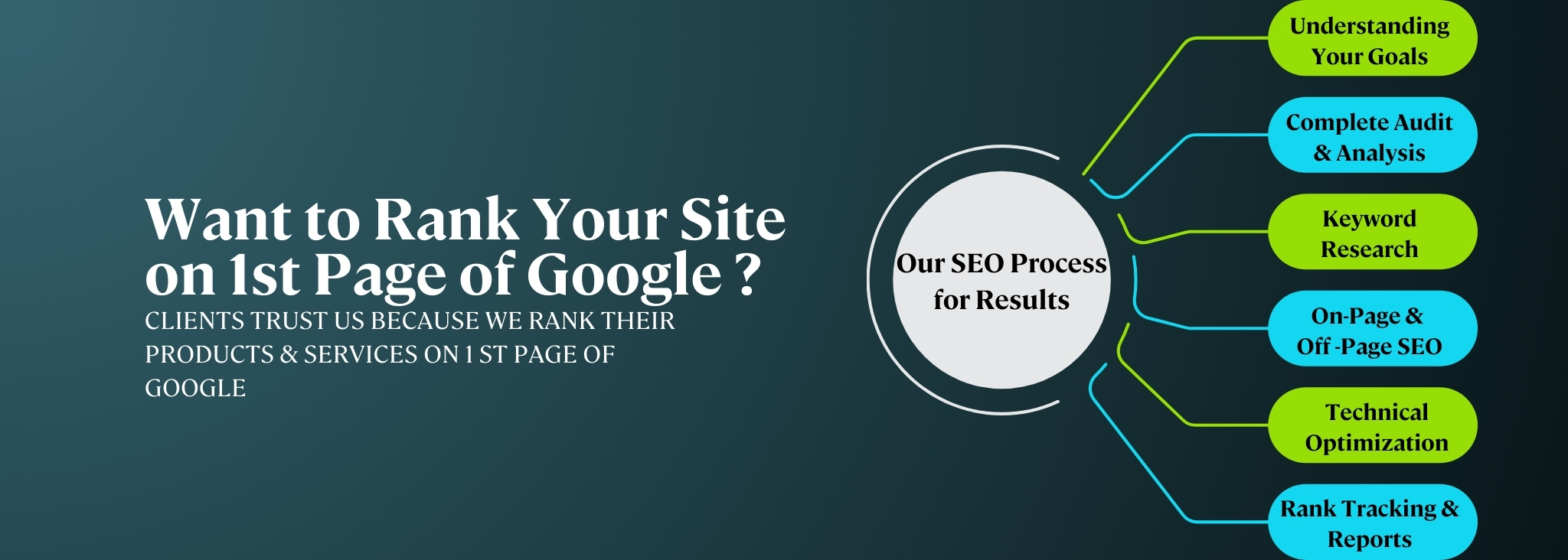
- Set clear goals. Decide what success means, such as enquiries, sales, bookings or increased awareness.
- Understand your audience. Research the questions, needs and search habits of the people you want to reach.
- Choose relevant search terms. Consider the intent behind a search, not just how many people use a particular phrase.
- Improve your website. Make pages informative, accessible, mobile-friendly and straightforward to navigate.
- Create useful content. Answer real questions and keep important information accurate and up to date.
- Use paid campaigns thoughtfully. Set budgets, target relevant searches and make sure adverts lead to suitable landing pages.
- Measure and refine. Review performance regularly and use the findings to improve your approach.
Measuring search marketing performance
Rankings and website traffic can offer useful context, but they do not tell the whole story. Businesses should also track outcomes that matter to them, such as qualified enquiries, completed purchases, phone calls or newsletter sign-ups.
For paid search, useful measures may include click-through rate, cost per click, conversion rate and return on advertising spend. For SEO, businesses may review organic traffic, visibility for relevant searches, engagement and conversions from organic visits. Measurement should account for the customer journey: someone may discover a business through one channel and convert through another.
Common mistakes to avoid
- Focusing on rankings without considering whether the traffic is relevant.
- Overloading pages with keywords instead of writing naturally.
- Publishing content that does not genuinely help the intended audience.
- Ignoring mobile usability, page speed or technical problems.
- Expecting immediate results from SEO or running paid campaigns without clear goals.
- Using tactics that promise guaranteed rankings or attempt to manipulate search results.
A long-term approach to search
Search engine optimisation and marketing are most effective when they support a wider business strategy. By understanding customer needs, providing useful information and making a website easy to use, businesses can improve their chances of being found and build trust with potential customers.
SEO is a long-term investment, while paid search can offer more immediate visibility. Used thoughtfully and measured against meaningful goals, both can help businesses reach the right people at the right time.
Seven Benefits of Search Engine Optimisation and Marketing: Enhancing Visibility, Credibility, and Growth
- Increases online visibility.
- Attracts relevant visitors.
- Builds brand credibility.
- Supports long-term growth.
- Targets high-intent searches.
- Provides measurable results.
- Can complement paid advertising.
Challenges in Search Engine Optimisation and Marketing: Navigating Delays, Costs, Competition, and Trust Issues
- SEO can take months to show results.
- Paid search can become expensive.
- Search rankings can change unexpectedly.
- Competition for popular keywords is intense.
- Poor-quality tactics can damage trust.
- Results require ongoing monitoring and updates.
Increases online visibility.
Search engine optimisation and marketing can increase your online visibility by helping your business appear when potential customers search for relevant products, services or information. SEO builds visibility in organic search results over time, while paid search campaigns can put your website in front of people more quickly. Together, they can help more of the right people discover your business and explore what you offer.
Attracts relevant visitors.
Search engine optimisation and marketing help attract visitors who are already looking for products, services or information related to your business. By targeting relevant search terms and creating useful, focused content, you can reach people with a genuine interest in what you offer. This can lead to more meaningful website visits, stronger engagement and a greater likelihood of enquiries or sales.
Builds brand credibility.
Search engine optimisation and marketing can build brand credibility by helping your business appear when people search for relevant information, products or services. A strong presence in search results, supported by useful content and a professional website, can make your brand seem more established and trustworthy. Over time, consistently providing relevant answers and a positive online experience can strengthen customers’ confidence in your business.
Supports long-term growth.
Search engine optimisation and marketing can support long-term growth by helping a business build lasting visibility with people actively looking for its products or services. SEO improvements, such as useful content and a well-structured website, can continue attracting relevant visitors over time, while insights from marketing campaigns help refine future activity. As a business’s online presence grows, it can strengthen brand awareness, attract new customers and create a more sustainable source of enquiries and sales.
Targets high-intent searches.
Search engine optimisation and marketing can help your business reach people who are actively looking for a specific product, service or solution. By targeting high-intent searches—such as “emergency plumber near me” or “buy running shoes online”—you can connect with potential customers at the moment they are closer to making a decision. This can bring more relevant visitors to your website and improve the likelihood of enquiries, bookings or sales.
Provides measurable results.
Search engine optimisation and marketing provide measurable results, making it easier to understand what is working and where improvements are needed. Businesses can track metrics such as website visits, search rankings, clicks, enquiries, conversions and advertising costs. These insights help assess progress, refine campaigns and focus resources on the strategies that deliver the greatest value.
Can complement paid advertising.
SEO can complement paid advertising by helping a business reach potential customers through both organic search results and sponsored listings. Paid campaigns can deliver immediate visibility and provide useful insights into which keywords and messages attract attention, while SEO builds sustainable visibility over time. Used together, they can strengthen a brand’s presence in search results, support customers at different stages of their journey and make marketing efforts more effective.
SEO can take months to show results.
One drawback of SEO is that it can take months to produce noticeable results. Search engines need time to discover and assess changes to a website, while improvements in rankings and organic traffic often depend on factors such as competition, site history and the quality of the content. This means SEO may not suit businesses seeking an immediate increase in visibility, although consistent, well-planned work can build more sustainable results over time.
Paid search can become expensive.
Paid search can become expensive, particularly in competitive industries where businesses bid against one another for popular keywords. Costs may rise quickly if campaigns are not carefully targeted or monitored, and clicks do not always lead to enquiries or sales. Setting a clear budget, choosing relevant search terms and regularly reviewing campaign performance can help businesses manage spend and improve value.
Search rankings can change unexpectedly.
Search rankings can change unexpectedly as search engines update their algorithms, competitors improve their websites and user behaviour shifts. This means a page that performs well today may lose visibility tomorrow, potentially reducing organic traffic and enquiries. Businesses can limit the impact by regularly monitoring performance, keeping content useful and up to date, and avoiding reliance on a single keyword or traffic source; however, rankings can never be guaranteed.
Competition for popular keywords is intense.
Competition for popular keywords can be intense, particularly in crowded industries where established brands have larger budgets, stronger websites and years of authority. This can make it difficult and time-consuming for smaller businesses to earn prominent organic rankings, while paid search adverts for the same terms may be costly. A more effective approach is often to target specific, less competitive search phrases that reflect a clear customer need, rather than relying solely on broad, high-volume keywords.
Poor-quality tactics can damage trust.
Poor-quality SEO and marketing tactics, such as keyword stuffing, misleading adverts or buying links, can damage trust with both customers and search engines. Visitors may see a business as less credible if its content feels manipulative or fails to deliver on its promises. These shortcuts can also lead to lower search visibility or penalties, making it harder to build a strong, lasting online reputation.
Results require ongoing monitoring and updates.
A drawback of search engine optimisation and marketing is that results require ongoing monitoring and updates. Search algorithms, customer behaviour and competitors’ strategies can change, so a campaign that performs well today may become less effective over time. Businesses need to regularly review performance, refresh content, resolve technical issues and adjust paid campaigns, which takes time and resources.