SEO Off-Page Strategy: How to Build Authority Beyond Your Website
SEO does not stop at your website. Off-page SEO covers the activities that help search engines and potential customers understand your reputation, relevance and authority across the wider web. A well-planned off-page strategy can support stronger organic visibility, attract referral traffic and build trust in your brand.
At its heart, off-page SEO is about earning credible recognition—not simply collecting as many links as possible. The most effective approach combines useful content, genuine relationships and consistent brand building.
What is off-page SEO?
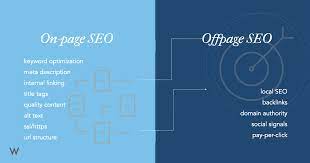
Off-page SEO refers to actions taken outside your own website that may influence how your business is discovered and perceived online. Backlinks are a well-known part of it, but the wider picture can also include digital PR, brand mentions, local citations, reviews and relevant community participation.
These activities do not all affect rankings in the same way. A relevant editorial link, for example, can help people discover your site and may contribute to your authority. A social media mention may bring awareness or visitors, even if the mention itself does not directly improve rankings.
Start with a clear strategy
Before contacting publishers or launching a campaign, decide what you want off-page SEO to achieve. Your goals might include:
- Increasing visibility for a particular service or topic
- Building your reputation in a specific industry or region
- Attracting referral traffic from relevant websites
- Supporting the launch of a new product, service or resource
- Improving awareness of your brand among a defined audience
Choose goals that connect to business outcomes, not just the number of links acquired. A link from a relevant publication that sends engaged visitors may be more valuable than several links from unrelated websites.
Create content worth referencing
People are more likely to mention or link to content that helps their audience. This could include original research, practical guides, useful tools, expert commentary, case studies or clear explanations of complex topics.
Start by identifying questions your customers and industry regularly ask. Then create a resource that answers those questions better, more clearly or more usefully than existing material. Make it easy to cite by including accurate information, named authors or experts where appropriate, and a clear publication or update date.
Good content does not guarantee links, so promotion still matters. Share your resource with relevant journalists, industry organisations, partners and specialists who may genuinely find it useful. Avoid mass emails that rely on generic praise or pressure.
Use digital PR to earn relevant coverage
Digital PR brings together public relations and online marketing. It can help a business earn coverage, introduce its expertise to new audiences and attract natural links from reputable websites.
Campaigns may be based on original data, expert insight, timely commentary or a useful story about your organisation. Before pitching, consider why the story would matter to the publication’s readers. A strong pitch is concise, accurate and tailored to the person receiving it.
Coverage should be pursued for its audience and credibility, not solely for a link. Editorial decisions belong to publishers, and a campaign should still have value if a link is not included.
Build relationships in your industry
Long-term relationships can lead to worthwhile opportunities for collaboration and visibility. Consider connecting with relevant trade associations, local organisations, professional communities, suppliers, partners and event organisers.
Possible activities include contributing expert advice, speaking at an industry event, taking part in a joint project or providing a useful resource for a partner’s audience. Focus on genuine contributions. Relationships built only to exchange links are unlikely to provide lasting value and may create risk.
Strengthen local visibility
For businesses serving a particular area, local off-page work can support trust and discoverability. Keep your business name, address and telephone number accurate and consistent across important directories and professional listings.
Prioritise reputable platforms that people in your area actually use. Claim and maintain your business profiles, select the most suitable categories, and provide clear information about your services and opening hours. Avoid submitting your details to large numbers of low-quality directories simply to create citations.
Encourage and manage customer reviews
Reviews can influence how people assess your business and decide whether to contact you. Invite genuine customers to share honest feedback, and make the process straightforward without offering rewards for positive reviews.
Respond professionally to both positive and negative comments. A considerate response can show that your organisation listens and takes concerns seriously. Follow the rules of each review platform and never create fake reviews or ask staff to pose as customers.
Monitor brand mentions and unlinked references
Your business may be mentioned online without a link to your website. Monitoring brand and product mentions can help you understand how people talk about your organisation and identify useful opportunities to provide additional information.
If a relevant publisher has mentioned your business, a polite message may be appropriate where a link would help readers. However, not every mention needs to be turned into a link. The request should be relevant, respectful and free of pressure.
Assess link quality, not just quantity
When reviewing backlinks, look at context and relevance. Consider:
- Whether the linking website and page are relevant to your subject or audience
- Whether the link appears naturally within useful content
- Whether the website has a real audience and publishes credible material
- Whether visitors are likely to find the link helpful
- Whether the link was earned through legitimate activity
Third-party authority metrics can be useful for comparing websites, but they are not Google metrics and should not be treated as definitive measures of quality. Avoid choosing link prospects on a single score alone.
Avoid shortcuts that can damage trust
Buying links that pass ranking credit, joining link schemes, using automated link-building tools or publishing low-quality guest articles at scale can put a website at risk. Search engines may ignore manipulative links or take action against sites that breach their spam policies.
Be cautious of providers promising a fixed number of links or rapid ranking gains. Ask how links will be earned, which websites will be approached and how the work will support your audience. A credible strategy should be transparent about its methods and limitations.
Measure progress over time
Off-page SEO is usually a gradual process. Track a balanced set of measures, such as:
- New referring websites and the relevance of those sites
- Referral visits and the actions those visitors take
- Organic visibility for the topics your campaign supports
- Brand mentions, press coverage and local profile activity
- Enquiries, bookings or sales linked to campaign activity
Use analytics and search performance tools alongside a record of outreach and coverage. Rankings can change for many reasons, so avoid attributing every movement to one link or campaign. Review results regularly and use what you learn to improve future activity.
A practical off-page SEO plan
- Review your starting point: assess your existing links, brand mentions, reviews and local listings.
- Choose priorities: select the audiences, services and topics that matter most to your organisation.
- Develop useful material: create resources that offer a clear reason for others to reference or share them.
- Identify relevant contacts: research publications, experts and organisations with a genuine connection to your subject.
- Promote thoughtfully: make tailored, accurate approaches and focus on mutual value.
- Measure and refine: review quality, traffic and business outcomes, then adjust your approach.
Conclusion
A strong SEO off-page strategy is built on credibility, relevance and useful contributions. Rather than chasing a high volume of backlinks, focus on earning recognition from sources your audience trusts. Combine valuable content, ethical digital PR, local activity, customer feedback and genuine industry relationships, then measure the results consistently. Over time, these efforts can help strengthen your brand’s presence both in search and across the wider web.
7 Essential Off-Page SEO Strategies to Boost Your Online Presence
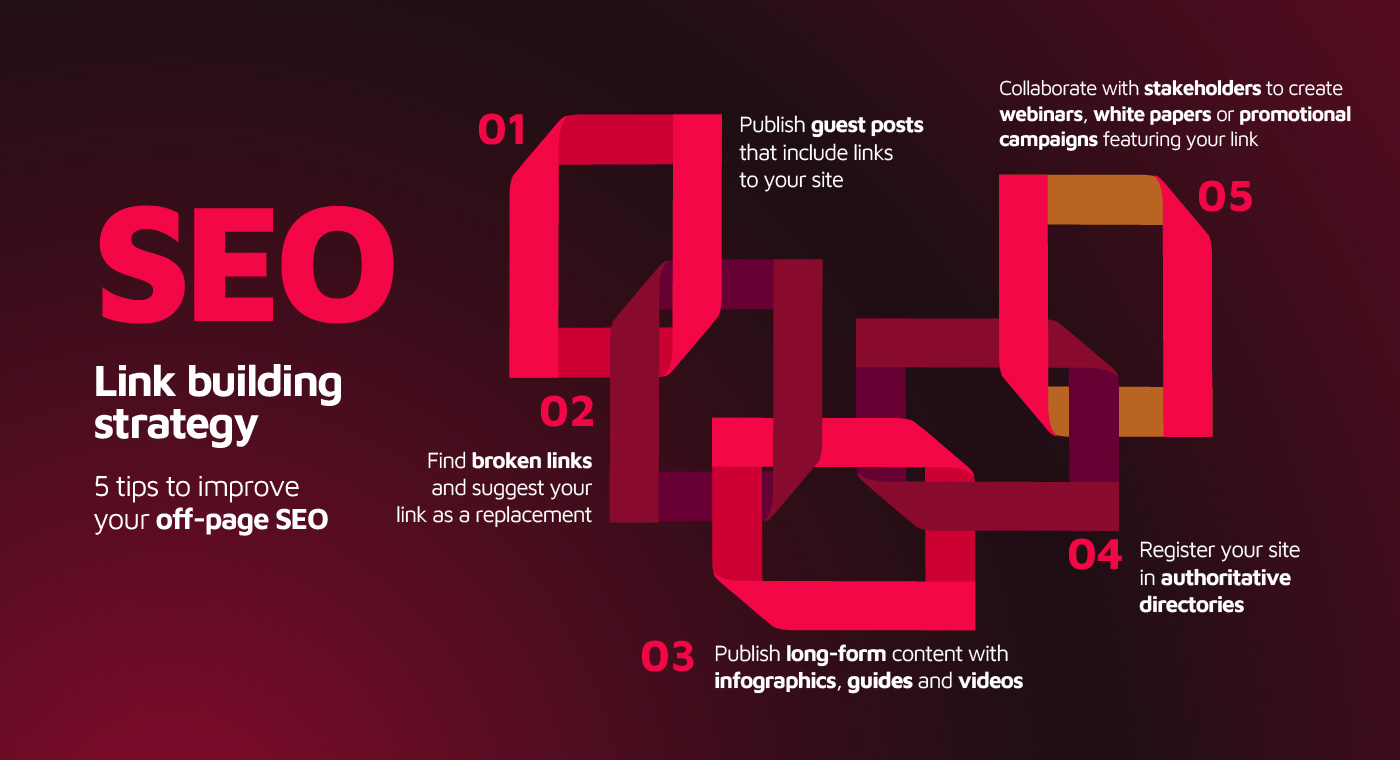
- Earn quality backlinks by publishing genuinely useful content.
- Build relationships with relevant publishers and industry experts.
- Contribute expert insights to reputable websites in your field.
- List your business accurately in trusted local directories.
- Encourage satisfied customers to leave honest reviews.
- Share useful content where your audience is active.
- Monitor backlinks and disavow clearly spammy links when appropriate.
Earn quality backlinks by publishing genuinely useful content.
Earn quality backlinks by publishing genuinely useful content that people in your industry genuinely want to reference and share. Create resources such as original research, practical guides, expert insights or helpful tools that answer real questions and offer something distinctive. Then promote them thoughtfully to relevant journalists, publishers and organisations. Focus on earning links from trusted, relevant websites rather than pursuing large numbers of low-quality links.
Build relationships with relevant publishers and industry experts.
Building relationships with relevant publishers and industry experts can strengthen your off-page SEO and grow your brand’s credibility. Identify people and publications that genuinely reach your target audience, then engage with their work and look for meaningful ways to contribute—such as sharing expert insight, providing useful research or collaborating on a relevant project. Focus on offering value rather than asking for links: authentic relationships can lead to trusted coverage, natural mentions and referral traffic over time.
Contribute expert insights to reputable websites in your field.
Contributing expert insights to reputable websites in your field can raise your profile, build trust and introduce your expertise to a relevant audience. Look for publications your customers are likely to read, then offer clear, original commentary that addresses their readers’ needs. Focus on sharing genuine value rather than securing a backlink; where a link to your website is included naturally, it can also help interested readers discover your business.
List your business accurately in trusted local directories.
List your business accurately in trusted local directories to help customers find reliable information about your organisation. Keep your business name, address, phone number, website and opening hours consistent across relevant platforms, and choose reputable directories that are genuinely used by people in your area or industry. Accurate listings can strengthen local trust and support your online visibility, while outdated or conflicting details may confuse potential customers.
Encourage satisfied customers to leave honest reviews.
Encourage satisfied customers to leave honest reviews on platforms that matter to your business, such as Google or relevant industry directories. Make it easy for them by sharing a direct link, but never offer incentives for positive feedback or pressure anyone to take part. Respond to reviews professionally, thanking customers for their comments and addressing concerns constructively. Genuine feedback can build trust, strengthen your online reputation and help potential customers feel more confident choosing your business.
Share useful content where your audience is active.
Share useful content on the platforms and communities your audience already uses, such as relevant social networks, forums, industry groups or professional websites. Focus on answering questions and offering practical value rather than simply promoting your business. This can help more people discover your expertise, encourage others to share or reference your content, and bring relevant visitors back to your website.
Monitor backlinks and disavow clearly spammy links when appropriate.
Regularly monitor your website’s backlinks to understand which sites are linking to you and spot unusual or clearly spammy patterns. A small number of low-quality links does not automatically require action, so assess their source and context before responding. If you find links that are part of a deliberate link scheme or are likely to violate search engine spam policies, first try to have them removed; consider using Google’s disavow tool only when there is a substantial issue and you are confident the links may harm your site. Use it cautiously, as disavowing valuable links by mistake could affect your visibility.