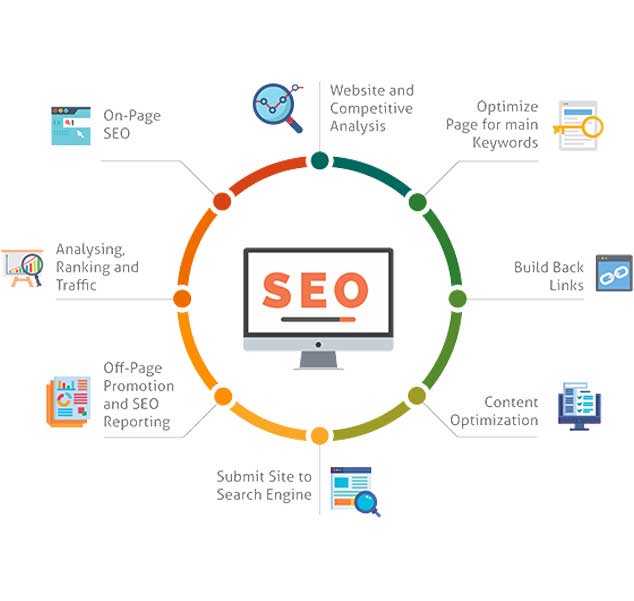
Website Search Optimisation: A Practical Guide
Website search optimisation is the process of improving a website so that search engines can understand it and people can find useful, relevant information through search. It involves more than adding keywords to a page. A successful approach combines helpful content, sound technical foundations and a straightforward experience for visitors.
Search engines regularly update how they assess and display websites, so optimisation is best treated as ongoing work rather than a one-off task. The aim is to make your site accessible, useful and relevant to the people you want to reach.
Start with your audience
Before making changes, consider what your customers are looking for. Think about the questions they ask, the problems they need to solve and the language they use. Search terms can offer clues, but they should inform your content rather than dictate it.
Useful research may include reviewing customer enquiries, speaking with your sales or support teams, and checking the terms people use to reach your site. Group related searches by intent: someone researching a topic may need an informative guide, while someone ready to buy will usually want product details, prices or a clear way to get in touch.
Create helpful, well-structured content
Each important page should serve a clear purpose and provide information that is accurate, original and relevant. Address the reader’s needs directly, use plain English and make the next step clear. Avoid repeating the same phrase unnaturally or publishing pages that add little value.
Structure content so it is easy to scan. Use one clear main heading, descriptive subheadings and short paragraphs. Where appropriate, include examples, instructions, comparisons or answers to common questions. Keep information up to date, particularly if your services, products or policies change.
Make your pages clear in search results
Page titles and meta descriptions help describe a page in search results. Write a distinct, accurate title for each important page and a concise description that explains what visitors will find. These elements can help people decide whether a result is relevant, although search engines may choose to display different text.
Use descriptive page addresses that are easy to read, and make sure links between pages use meaningful wording. For example, “view our delivery information” is clearer than “click here”.
Check the technical foundations
Search engines need to be able to access and interpret your website. Technical checks should include:
- Mobile usability: Make sure pages work well on different screen sizes and are easy to navigate by touch.
- Page speed: Reduce unnecessary scripts, optimise images and review hosting performance where pages feel slow.
- Crawlability: Check that important pages are not accidentally blocked and that internal links make them discoverable.
- Indexing: Use appropriate settings to prevent duplicate, private or low-value pages from appearing in search results.
- Security: Use HTTPS and keep your website platform, extensions and software maintained.
- Accessibility: Provide descriptive alternative text for meaningful images, clear labels for forms and sufficient colour contrast.
A sitemap can help search engines discover key URLs, but it does not guarantee that every page will be indexed. Structured data may also help search engines interpret certain types of information. It should accurately reflect visible page content and does not guarantee enhanced search results.
Build a straightforward user experience
Visitors should be able to find important information without unnecessary effort. Use clear navigation, sensible page layouts and prominent calls to action. Check that forms are easy to complete and that links, buttons and interactive features work as expected.
A positive experience can support your wider business goals, such as enquiries, bookings or sales. It also helps ensure that the people who arrive from search can make effective use of your site.
Measure progress and keep improving
Use analytics and search performance tools to understand how your website is performing. Useful measures may include search impressions, clicks, rankings for relevant terms, organic visits, enquiries and sales. Choose measures that reflect your objectives rather than focusing on rankings alone.
Review results over time, as search performance can change with competition, seasonality, website updates and search engine changes. If an important page is receiving visits but few enquiries, the content or next step may need attention. If a page is not being found, check its relevance, internal links, indexing status and technical health.
Common mistakes to avoid
- Writing for search engines instead of helping real people.
- Publishing several pages that target the same topic without a clear reason.
- Using misleading titles or claims that do not match the page.
- Ignoring technical issues, mobile usability or site security.
- Expecting instant results or treating a single ranking as proof of success.
- Making changes without recording what was changed and reviewing the outcome.
A sustainable approach to website search optimisation
Effective website search optimisation brings together audience research, useful content, technical quality and ongoing measurement. Start with the pages that matter most to your visitors and business, address any barriers that prevent search engines or people from using them, and improve the site steadily.
There is no single change that guarantees strong search performance. Consistent, considered work can make your website easier to discover, understand and use—and give visitors a better reason to choose your business.
Top 5 Benefits of Website Search Optimisation: Enhancing Visibility, User Experience, and Growth
- Helps more people find your website.
- Attracts visitors searching for your services.
- Improves the experience for site users.
- Builds trust with useful, relevant content.
- Supports sustainable online growth.
Challenges in Website Search Optimisation: Key Considerations and Pitfalls
- Results can take time to appear.
- Search algorithms change frequently.
- Competition for popular keywords is high.
- Technical fixes may require specialist skills.
- Content needs regular updates.
- Rankings are never guaranteed.
- Poor tactics can harm visibility.
Helps more people find your website.
Website search optimisation helps more people find your website by making its pages easier for search engines to understand and show in relevant results. When your content matches what people are looking for, your site has a better chance of appearing when potential customers search for related information, products or services. This can increase your visibility and bring more interested visitors to your website.
Attracts visitors searching for your services.
Website search optimisation can help your business appear when people search online for the services you offer. By creating useful pages around relevant topics and answering common customer questions, you make it easier for potential clients to find you at the moment they need help. This can bring more relevant visitors to your website—people who are already interested in what you do and may be more likely to get in touch.
Improves the experience for site users.
Website search optimisation can make a site easier and more enjoyable to use. Clear navigation, well-organised pages, relevant content and faster loading times help visitors find the information they need with less effort. By making the website work well on mobile devices and ensuring links and forms function properly, businesses can create a smoother experience that encourages users to stay, explore and take the next step.
Builds trust with useful, relevant content.
Website search optimisation helps build trust by making useful, relevant content easier for people to find. When your pages answer visitors’ questions clearly, offer accurate information and reflect their needs, your business can appear knowledgeable and dependable. Keeping content up to date and avoiding exaggerated claims further reassures readers, helping them feel confident in your brand and the services you provide.
Supports sustainable online growth.
Website search optimisation supports sustainable online growth by helping your website attract relevant visitors over time, rather than relying solely on paid advertising or short-lived campaigns. By regularly improving your content, technical performance and user experience, you can build lasting visibility in search results, earn trust with potential customers and create a stronger foundation for future growth.
Results can take time to appear.
One drawback of website search optimisation is that results can take time to appear. Search engines need to discover and assess changes, while improvements in rankings and organic traffic often build gradually over weeks or months. This means businesses may need patience and consistent effort before they see a noticeable return, particularly in competitive markets.
Search algorithms change frequently.
One drawback of website search optimisation is that search algorithms change frequently. A tactic that performs well today may become less effective after an update, potentially affecting a website’s visibility and organic traffic. Businesses therefore need to keep up with relevant changes, monitor performance and adapt their approach over time, which can require ongoing effort and resources.
Competition for popular keywords is high.
Competition for popular keywords can make it difficult for a website to appear prominently in search results, particularly when established brands already dominate the rankings. This can mean that improving visibility takes time, expertise and ongoing investment, with no guarantee of reaching the top positions. Businesses may need to target more specific search phrases and build useful, distinctive content to reach the right audience.
Technical fixes may require specialist skills.
Technical fixes can be one of the more challenging aspects of website search optimisation. Issues involving site speed, indexing, structured data or server settings may require specialist knowledge, and attempting to change them without the right skills could cause errors or disrupt the website. This can mean extra costs or delays while a developer or SEO professional investigates and resolves the problem.
Content needs regular updates.
Website search optimisation requires ongoing attention, as information can become outdated and search engines’ expectations may change. Pages may need regular reviews to keep facts accurate, refresh examples, update links and reflect changes to your products or services. This takes time and resources, particularly for larger websites, but neglecting updates can make content less useful to visitors and less competitive in search results.
Rankings are never guaranteed.
One drawback of website search optimisation is that rankings are never guaranteed. Search engines use constantly evolving algorithms, and your position can be affected by competition, technical changes and updates beyond your control. Even a well-planned strategy may take time to show results, so businesses should avoid promises of a specific ranking and focus instead on sustainable improvements, relevant traffic and meaningful outcomes such as enquiries or sales.
Poor tactics can harm visibility.
Poor website search optimisation tactics can do more harm than good. Practices such as keyword stuffing, buying low-quality links, publishing copied content or using deceptive techniques may undermine visitors’ trust and lead search engines to reduce a site’s visibility. A sustainable approach focuses on useful, original content and follows search engine guidelines.