Marketing and Digital Marketing: A Guide for Modern Businesses
Marketing helps businesses understand their customers, communicate the value of their products or services, and build lasting relationships. It includes everything from researching a market and shaping an offer to promoting it and learning from customer feedback.
Digital marketing is the part of marketing that uses online channels and digital technologies. Websites, search engines, social media, email and online advertising all give organisations ways to reach people, share useful information and encourage action.
What is marketing?
Marketing is broader than advertising. Advertising is one way to promote an offer; marketing also involves deciding who the offer is for, what makes it valuable, how it should be priced and where customers can find it.
Effective marketing starts with understanding an audience. Businesses may use customer conversations, surveys, sales data and market research to identify people’s needs and the problems they want to solve. This insight can help shape products, services and messages that are relevant rather than generic.
What is digital marketing?
Digital marketing applies marketing principles across digital channels. It can help a business reach potential customers, support existing ones and assess how people respond to its activity.
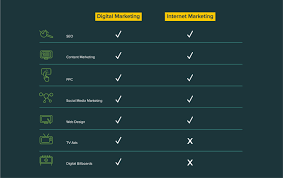
Common digital marketing channels include:
- Search engine optimisation (SEO): improving a website so that relevant pages can be found through organic search results.
- Paid search advertising: placing adverts in search results, often for selected keywords or audiences.
- Content marketing: creating helpful articles, guides, videos and other material to inform or engage an audience.
- Social media marketing: using social platforms to share content, build a community and communicate with customers.
- Email marketing: sending relevant updates, offers or useful information to people who have chosen to hear from a business.
- Online advertising: using digital display, video or other paid placements to raise awareness or encourage a specific action.
How marketing and digital marketing work together
Digital marketing is not separate from the wider marketing plan. It works best when it supports the same business goals, audience understanding and brand message as other activities. For example, a campaign might combine a helpful online guide, search advertising, social media posts and an email follow-up.
Consistency matters. A customer who sees an advert, visits a website and speaks to a sales team should encounter a clear and recognisable proposition at each stage. The channels may differ, but the experience should feel connected.
Building a practical digital marketing strategy
- Set clear objectives. Decide what the activity should achieve, such as generating enquiries, increasing online sales, building awareness or encouraging repeat purchases.
- Understand the audience. Identify the people you want to reach, what they need and how they prefer to find information.
- Choose suitable channels. Select channels based on audience behaviour, available resources and the goals of the campaign—not simply because a platform is popular.
- Create useful, consistent content. Make sure messages answer real questions and explain why the offer is relevant.
- Make the next step clear. A page or campaign should guide people towards an appropriate action, such as making an enquiry, booking a consultation or completing a purchase.
- Measure and improve. Review performance regularly and use the findings to refine the strategy.
Measuring results
Digital channels can provide useful data, but the number of views or clicks alone does not show whether marketing is working. Businesses should connect measurements to their objectives. Depending on the campaign, useful indicators may include qualified enquiries, sales, conversion rates, repeat purchases, customer engagement or the cost of acquiring a customer.
Measurement should also take account of the customer journey. Someone may discover a business through a search, return after reading an email and then make a purchase later. Looking at several touchpoints can provide a more complete picture than judging each channel in isolation.
Common challenges
Digital marketing offers many opportunities, but it also requires planning and ongoing attention. Common challenges include choosing too many channels, publishing content without a clear purpose, expecting immediate results from long-term activity and relying on data without checking what it means.
Privacy and trust are also essential. Businesses should handle personal information responsibly, follow applicable data protection and advertising rules, and make communications clear and honest. Respectful marketing helps protect both customers and a brand’s reputation.
Conclusion
Marketing helps a business understand its audience and present a valuable offer. Digital marketing brings those principles to online channels, where organisations can connect with customers and learn from their responses. A thoughtful strategy, grounded in clear goals and useful communication, can help businesses build visibility, strengthen relationships and support sustainable growth.
7 Key Benefits of Marketing and Digital Marketing: Expanding Reach and Boosting Sales
- Reaches a wider audience
- Builds brand awareness
- Targets relevant customers
- Measures campaign performance
- Supports customer engagement
- Offers flexible budgets
- Helps grow sales
Challenges in Marketing and Digital Marketing: Navigating Costs, Competition, and Changing Trends
- Marketing can be costly.
- Results may take time.
- Competition is intense.
- Digital trends change quickly.
- Privacy rules can limit targeting.
- Poor campaigns can harm trust.
Reaches a wider audience
Marketing and digital marketing can help businesses reach a wider audience beyond their local area. Online channels such as search engines, social media, email and websites make it possible to connect with people across different regions and, where appropriate, around the world. By choosing the channels and messages that suit their audience, businesses can raise awareness of their products or services and attract potential customers who may not otherwise have discovered them.
Builds brand awareness
Marketing and digital marketing help build brand awareness by making a business more visible to the people it wants to reach. Through consistent messaging across channels such as search engines, social media, email and advertising, businesses can introduce their products or services, share what makes them distinctive and stay memorable. Over time, this repeated exposure can help customers recognise the brand and consider it when they are ready to make a purchase.
Targets relevant customers
One of the key benefits of marketing and digital marketing is the ability to target relevant customers. By understanding people’s interests, needs, location and online behaviour, businesses can tailor their messages and reach audiences who are more likely to value their products or services. This makes marketing more useful for customers and helps businesses make better use of their time and budget.
Measures campaign performance
Marketing and digital marketing make it possible to measure campaign performance and understand what is working. By tracking indicators such as website visits, engagement, enquiries and sales, businesses can see how people respond to their activity. These insights help identify effective channels, improve underperforming campaigns and make better use of marketing budgets.
Supports customer engagement
Marketing and digital marketing support customer engagement by creating opportunities for meaningful, ongoing conversations between a business and its audience. Through social media, email, useful online content and personalised campaigns, businesses can respond to questions, share relevant information and invite feedback. This helps customers feel heard and understood, while giving businesses valuable insight into their needs. With consistent, helpful communication across the right channels, brands can build trust, strengthen relationships and encourage customers to return.
Offers flexible budgets
Marketing and digital marketing can accommodate a wide range of budgets, making them accessible to businesses of different sizes. Organisations can begin with modest activities, such as sharing useful content or focusing on local search, then increase their investment as they learn what works. Digital campaigns can also be adjusted or paused, with spending directed towards the channels and audiences delivering the strongest results. This flexibility helps businesses manage costs while working towards their marketing goals.
Helps grow sales
Marketing and digital marketing can help grow sales by connecting a business with people who are most likely to need its products or services. Clear, well-targeted campaigns raise awareness, explain the value of an offer and guide potential customers towards making a purchase. Online channels also make it easier to measure responses and refine campaigns, helping businesses focus their efforts on what works and encourage both new and repeat sales.
Marketing can be costly.
Marketing can be costly, particularly for businesses investing in paid advertising, specialist staff, creative content or marketing tools. Digital campaigns may appear cheaper than traditional methods, but costs can build up through testing, ongoing optimisation and competition for online advertising space. Without clear objectives and careful budgeting, businesses risk spending money on activity that delivers little return.
Results may take time.
One drawback of marketing and digital marketing is that results may take time. Activities such as building brand awareness, earning customer trust and improving organic search visibility often require consistent effort over several months before their impact becomes clear. This can be challenging for businesses seeking quick returns, so it is important to set realistic expectations, track progress using relevant measures and maintain a steady strategy rather than giving up too soon.
Competition is intense.
Competition in marketing and digital marketing is intense, with businesses often competing for the same audiences, search rankings and advertising space. This can make it harder for a brand to stand out, attract attention and earn customer trust. In crowded markets, paid advertising costs may rise, while organic visibility can take time and consistent effort to build. Businesses therefore need a clear point of difference and relevant, high-quality communication to reach the right people without simply increasing their marketing spend.
Digital trends change quickly.
One challenge of marketing and digital marketing is that trends, platforms and customer habits can change quickly. A tactic that works well today may become less effective as algorithms, technologies and audience preferences evolve, so businesses need to keep learning and adapting. This can take time and resources, and following every new trend may distract from a clear, long-term strategy.
Privacy rules can limit targeting.
Privacy rules can limit how precisely businesses target their marketing. Requirements around consent, personal data and tracking may restrict the information available for building audience profiles or measuring campaign performance. As a result, marketers may need to rely more on contextual advertising, broad audience groups and information customers have willingly shared, while ensuring their campaigns remain relevant, transparent and compliant.
Poor campaigns can harm trust.
Poorly planned marketing campaigns can damage the trust a business has worked hard to build. Misleading claims, intrusive adverts, irrelevant messages or a tone that feels insensitive may frustrate customers and make them question a brand’s honesty. In digital marketing, negative experiences can spread quickly through reviews and social media, potentially affecting a business’s reputation well beyond the original campaign. To protect trust, businesses should communicate transparently, understand their audience and ensure that every campaign delivers on its promises.