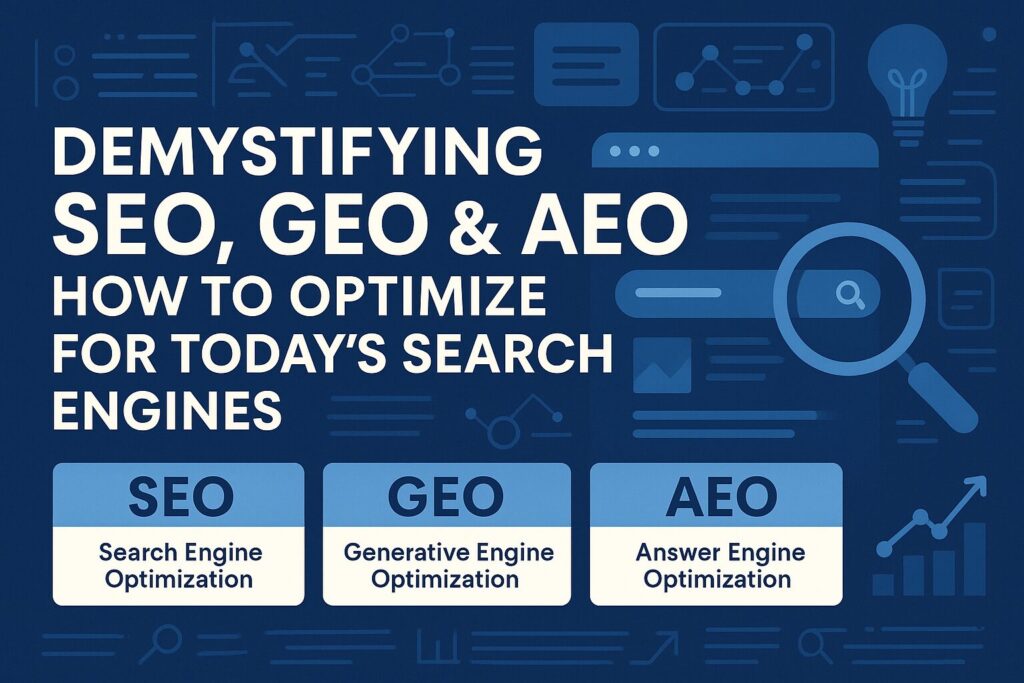
SEO Engine Optimisation: A Practical Guide for UK Businesses
“SEO engine optimisation” is often used to mean search engine optimisation, or SEO. It describes the work involved in improving a website so that search engines can understand its content and people can find it more easily. For businesses, effective SEO can bring relevant visitors to a website and help them discover useful products, services or information.
What is search engine optimisation?
Search engines such as Google use automated systems to find, understand and organise pages across the web. When someone searches, the engine selects and ranks pages it considers relevant and helpful. SEO involves making a website clearer, more useful and easier to access, both for visitors and search engines.
SEO does not guarantee a particular position in search results. Rankings can change as search engines update their systems and as competitors publish or improve their content. A sustainable approach focuses on the quality of the website rather than shortcuts or promises of instant results.
The main areas of SEO
Technical SEO
Technical SEO helps search engines access and interpret a website. It can include improving page loading speed, making the site work well on mobile devices, using secure connections, fixing broken links and ensuring important pages can be crawled and indexed. A clear site structure also helps visitors find what they need.
On-page SEO
On-page SEO concerns the content and elements on individual pages. Useful page titles, descriptive headings, clear URLs and informative text can help explain what each page is about. Keywords may help indicate the topics people search for, but they should be used naturally. Repeating them excessively can make content difficult to read.
Content
Good SEO content answers real questions and meets the needs of its intended audience. It should be accurate, easy to understand and kept up to date where necessary. Rather than creating pages simply to target search terms, businesses should provide information that genuinely helps readers make decisions or solve problems.
Off-page SEO
Off-page SEO includes signals beyond a business’s own website. Links from relevant, reputable websites can help people discover a business and provide useful context about its reputation. These links should be earned through worthwhile content, partnerships and genuine expertise—not bought or created through spammy schemes.
How to start with SEO
- Understand your audience: Identify the questions, needs and language of the people you want to reach.
- Review your website: Check for slow pages, confusing navigation, broken links and content that is out of date.
- Choose relevant topics: Research the terms people use, then prioritise topics that match your services and expertise.
- Improve key pages: Make sure each important page has a clear purpose, useful information and an appropriate title and heading.
- Measure progress: Use analytics and search performance tools to monitor visits, visibility and meaningful actions, such as enquiries or sales.
How long does SEO take?
SEO is a long-term process. Some technical improvements may have an effect relatively quickly, while building visibility for competitive searches can take considerably longer. Results depend on factors such as the website’s history, the competition, the quality of the work and how often the site is updated. Be cautious of anyone promising guaranteed rankings or overnight success.
Why SEO matters
A well-optimised website can make it easier for potential customers to find and understand a business. It can also improve the overall user experience by making pages clearer, faster and more accessible. SEO works best as part of a broader marketing strategy, alongside a strong product or service and a trustworthy online presence.
Conclusion
SEO engine optimisation—more commonly called search engine optimisation—is about making a website helpful, accessible and understandable. By combining technical improvements, useful content and ongoing measurement, UK businesses can build a stronger presence in search results over time. The most effective strategy is centred on people first and designed to earn lasting visibility.
Understanding SEO: Key Concepts and Common Questions Answered
- What is an example of SEO?
- How to do SEO for beginners?
- What is SEO and optimization?
- How does SEO engine work?
- What are the 4 types of SEO?
What is an example of SEO?
An example of SEO is a UK plumber creating a clear webpage about boiler repairs in Manchester. The page could explain the services offered, answer common customer questions, include a descriptive title such as “Boiler Repairs in Manchester” and make it easy to contact the business. These improvements help search engines understand the page and may help local customers find it when searching for boiler repairs.
How to do SEO for beginners?
For beginners, SEO starts with understanding what your audience is searching for and creating helpful, original content that answers their questions. Choose a clear topic for each page, use relevant search terms naturally in the page title, headings and text, and make sure your website is easy to navigate and works well on mobile devices. Check that pages load quickly, use descriptive links and are accessible to search engines. Then monitor performance with tools such as Google Search Console and improve your content over time. SEO takes patience, so focus on useful, sustainable improvements rather than promises of instant rankings.
What is SEO and optimization?
SEO, or search engine optimisation, is the process of improving a website so that search engines can understand its content and people can find it more easily in relevant search results. Optimisation may include creating useful, well-structured content, improving page speed and mobile usability, and making the site easier to navigate. The aim is to attract relevant visitors and give them a helpful experience; SEO takes time and cannot guarantee a particular ranking.
How does SEO engine work?
A search engine works by discovering web pages through crawling, storing and organising their content in an index, then ranking relevant pages when someone searches. SEO (search engine optimisation) helps search engines understand a website and helps people find useful, relevant information. This can involve improving site structure and speed, creating clear, helpful content, and earning trustworthy links. Search engines use many signals to decide which pages to show, so SEO can improve a site’s visibility but cannot guarantee a particular ranking.
What are the 4 types of SEO?
The four main types of SEO are on-page, off-page, technical and local SEO. On-page SEO improves the content and elements on your website, such as headings, page titles and internal links. Off-page SEO focuses on building your site’s reputation through relevant, trustworthy links and other external signals. Technical SEO helps search engines crawl and understand your site, while improving factors such as speed, mobile usability and security. Local SEO helps businesses appear in searches relevant to a particular area, often through a well-maintained business profile and consistent local contact details. These areas often overlap, and the right balance depends on your business and audience.