Search Engine SEO: A Practical Guide to Improving Your Website’s Visibility
Search engine SEO—more commonly called search engine optimisation (SEO)—is the process of improving a website so that it can be found more easily in unpaid search results. It brings together useful content, technical improvements and signals of trust to help search engines understand a site and help people find relevant information.
SEO is not a quick fix or a way to guarantee a particular position on Google. It is an ongoing approach to making a website more helpful, accessible and relevant to the people it aims to reach.
How search engines work
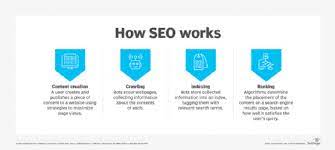
Search engines use automated software to discover web pages, add information about them to an index and decide which pages to show in response to a search. When someone enters a query, the search engine considers many factors, including the relevance and usefulness of a page, its technical accessibility and the context of the search.
Search results can change over time, and search engines do not publish every detail of their ranking systems. Effective SEO therefore focuses on sound fundamentals rather than trying to exploit short-lived tricks.
The main areas of SEO
Technical SEO
Technical SEO helps search engines access, crawl and understand a website. It also supports a good experience for visitors. Common areas to review include:
- Ensuring important pages can be crawled and indexed
- Using a logical site structure and clear internal links
- Making pages work well on mobile devices
- Improving page speed and overall usability
- Using secure HTTPS connections
- Providing accurate XML sitemaps and managing redirects correctly
Technical work is especially important when launching a new site, changing its design or moving to a new domain. Even excellent content can struggle to perform if search engines cannot access it properly.
On-page SEO
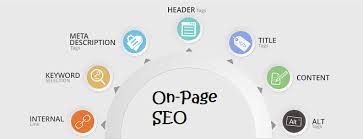
On-page SEO covers the content and elements on individual pages. Each page should have a clear purpose and make it easy for visitors to find the information they need. Helpful practices include writing descriptive page titles, using clear headings and explaining the subject naturally in the page copy.
Keywords can help identify the language people use when searching, but they should inform the content rather than dictate it. Repeating a phrase unnaturally can make a page harder to read. Instead, cover the topic thoroughly and use related terms where they fit naturally.
Content and search intent
Search intent is the reason behind a search. Someone looking for “how to clean a coffee machine” probably wants instructions, while someone searching for a particular model may be ready to compare products or buy one. Understanding this difference helps you create the right kind of page for each query.
Useful content should be accurate, clear, original and appropriate for its audience. It might take the form of a service page, product description, guide, comparison or frequently asked questions. The goal is not simply to publish more pages, but to provide information that genuinely helps visitors make progress.
Off-page SEO
Off-page SEO refers to signals beyond your own website that can contribute to its reputation and visibility. Links from relevant, reputable websites can help people discover your content and may support search engines’ understanding of its credibility. Other useful activities include earning genuine mentions, building relationships in your industry and maintaining accurate business information across relevant directories.
Links should be earned through useful resources, strong products and legitimate relationships. Buying links or participating in schemes intended to manipulate rankings can put a website at risk.
Creating an SEO strategy
A practical SEO strategy starts with business goals and the needs of the intended audience. A simple process could include:
- Set clear goals. Decide whether the priority is enquiries, sales, bookings, subscriptions or another meaningful outcome.
- Understand your audience. Identify the questions, problems and choices people are likely to search for.
- Review the website. Check its content, technical health, navigation and performance in search.
- Prioritise opportunities. Focus first on improvements that are valuable to visitors and achievable with available resources.
- Create or improve pages. Match each page to a clear topic and search intent, while providing original, useful information.
- Measure and refine. Review results regularly and improve the strategy based on what the data shows.
Measuring SEO performance
Rankings can be useful to monitor, but they are only part of the picture. A well-rounded review may include organic clicks and impressions, the search queries bringing people to the site, engagement with key pages, enquiries or sales, and technical issues that affect visibility.
Tools such as Google Search Console can show how a site performs in Google Search and highlight some indexing or usability issues. Analytics tools can help explain what visitors do after arriving. The most useful measures are those connected to the website’s real objectives.
Common SEO mistakes to avoid
- Writing for search engines instead of people
- Publishing several pages that compete for the same topic
- Using misleading titles or descriptions
- Ignoring mobile usability and page performance
- Copying content from other websites
- Expecting immediate results or guaranteed rankings
- Making changes without checking their effect
How long does SEO take?
SEO usually takes time. Results depend on factors such as the age and condition of a website, competition, the scope of the work and how often search engines revisit its pages. Some technical improvements may be noticed sooner, while building visibility for competitive topics can take longer. Regular, considered work is generally more sustainable than chasing rapid gains.
Conclusion
Search engine SEO is about helping the right people discover a website and giving them a useful experience when they arrive. By making a site technically accessible, creating relevant and trustworthy content, and measuring meaningful outcomes, businesses can build a stronger foundation for long-term search visibility.
Top 8 FAQs About Search Engine SEO: A Comprehensive Guide for Beginners
- What is search engine SEO?
- How does SEO work?
- How long does SEO take to show results?
- How much does SEO cost in the UK?
- Can I do SEO myself?
- What is the difference between SEO and PPC?
- How do I choose the right keywords for my website?
- How can I measure whether my SEO is working?
What is search engine SEO?
Search engine SEO, or search engine optimisation, is the process of improving a website so that search engines can understand its content and people can find it more easily in unpaid search results. It involves creating useful, relevant content, improving the site’s technical performance and making pages easy to navigate. SEO can help attract visitors who are looking for a business’s products, services or information, but results take time and cannot be guaranteed.
How does SEO work?
SEO works by helping search engines discover, understand and assess a website’s pages. Search engines crawl pages, add them to their index and use many factors—such as relevance to a search, content quality, usability, site speed and links from other websites—to decide which results to show. Effective SEO makes a site easier to access and understand, while providing useful content that matches what people are looking for. It is an ongoing process, and results can take time; no approach can guarantee a particular ranking.
How long does SEO take to show results?
SEO typically takes three to six months to show noticeable results, although the timeframe varies depending on your website’s current condition, competition, industry and the work involved. Technical fixes may have an impact sooner, while building authority and improving rankings for competitive searches can take longer. SEO is an ongoing process, so monitor progress regularly and focus on meaningful outcomes such as relevant traffic, enquiries and sales rather than rankings alone.
How much does SEO cost in the UK?
The cost of SEO in the UK depends on your goals, the competitiveness of your market and the amount of work required. Freelancers may charge from a few hundred pounds per month, while specialist agencies often charge more for broader, ongoing campaigns; one-off audits or consultancy may be priced separately. Before choosing a provider, ask what the fee includes, how progress will be measured and whether there are any extra costs. Be cautious of guaranteed rankings or unusually cheap offers, as effective SEO takes time and no provider can control search engine results.
Can I do SEO myself?
Yes, you can do SEO yourself, particularly if you have time to learn the basics and make regular improvements. Start by creating useful content for your audience, using clear page titles and headings, making sure your website works well on mobile devices, and checking its performance with tools such as Google Search Console. More complex technical issues or highly competitive markets may require specialist support, but many small businesses can handle essential SEO tasks in-house.
What is the difference between SEO and PPC?
SEO (search engine optimisation) improves a website’s visibility in unpaid, organic search results through activities such as creating useful content and improving the site’s technical performance. PPC (pay-per-click) is paid advertising, where a business typically pays each time someone clicks on its advert. SEO can build lasting visibility over time, while PPC can deliver traffic more quickly but usually stops generating visits when the advertising budget ends. The two approaches can complement one another as part of a broader search marketing strategy.
How do I choose the right keywords for my website?
Choose keywords by starting with the words and questions your ideal customers are likely to use when searching for your products, services or expertise. Use keyword research tools and search suggestions to assess search demand, competition and intent, then prioritise relevant terms that match what each page offers. A mix of specific, longer phrases and broader terms can help you reach people at different stages of their decision-making. Assign a clear topic to each page, use keywords naturally in helpful content, and review performance over time so you can refine your choices.
How can I measure whether my SEO is working?
You can measure whether your SEO is working by tracking organic traffic, search impressions and clicks, the queries people use to find your site, and how your pages rank for relevant searches. Most importantly, check whether that visibility leads to meaningful outcomes, such as enquiries, sales, bookings or sign-ups. Tools such as Google Search Console and website analytics can help you monitor these trends over time; allow for fluctuations and compare performance across consistent periods rather than judging success by rankings alone.