SEO Optimisation: How to Improve Your Website’s Visibility
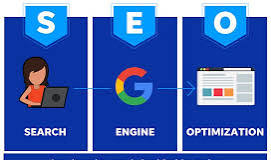
Search engine optimisation (SEO) is the process of improving a website so that it can be found more easily in search engines. Effective SEO helps search engines understand your pages and helps people find useful, relevant information when they search online.
SEO is not a one-off task or a way to guarantee a particular ranking. It involves ongoing improvements to your website, content and online reputation. The best approach focuses on providing a good experience for visitors while making your pages clear and accessible to search engines.
What does SEO optimisation involve?
SEO optimisation brings together several areas of work. These are often grouped into on-page SEO, technical SEO and off-page SEO. Each supports the others, so a balanced strategy is usually more effective than focusing on just one.
On-page SEO
On-page SEO concerns the content and elements on your website. It helps search engines identify what each page is about and helps visitors decide whether the page answers their needs.
- Research relevant search terms: Find out how your intended audience describes the products, services or topics you cover. Consider the purpose behind each search, not just the words used.
- Create useful content: Give clear, accurate and original answers. Content should be written for people first, rather than created simply to repeat keywords.
- Write descriptive page titles: A concise, specific title helps people and search engines understand a page’s subject.
- Use headings logically: Organise information with a clear heading structure. Headings should make the page easier to scan and understand.
- Improve internal links: Link to related pages using descriptive wording. This helps visitors explore your site and helps search engines discover its content.
- Optimise images: Use suitable file sizes and descriptive alternative text where images convey useful information.
Keywords can help shape a page, but they should appear naturally. Repeating the same phrase excessively can make content difficult to read and does not guarantee better rankings.
Technical SEO
Technical SEO focuses on whether search engines can access, understand and index your website. It also supports a smooth experience for people using different devices and connections.
- Check crawlability and indexing: Make sure important pages can be accessed by search engines and are not accidentally excluded from search results.
- Improve page speed: Reduce unnecessary scripts, optimise images and review hosting performance to help pages load efficiently.
- Make the site mobile-friendly: Pages should be easy to read and use on phones and tablets, as well as desktop computers.
- Use secure connections: HTTPS helps protect the connection between your website and its visitors.
- Fix broken links and errors: Regularly check for pages that no longer work, redirect problems and other issues that make the site harder to use.
- Use structured data where appropriate: Structured data can help search engines interpret certain types of content, although it does not guarantee enhanced search listings.
Technical improvements should be prioritised according to their impact. A complicated site audit is not useful unless the findings lead to practical fixes.
Off-page SEO
Off-page SEO refers to signals and activity beyond your own website. One important example is earning links from relevant, reputable websites. These links can help people discover your content and may contribute to how search engines assess your site.
Focus on creating material that others genuinely want to reference, such as original research, useful guides or expert resources. Avoid schemes that promise large numbers of links or use manipulative tactics, as these can put your website at risk.
For businesses serving a particular area, accurate local information is also important. Keep business details consistent across relevant directories and make it easy for customers to find your location, opening hours and contact information.
Start with search intent
Before creating or updating a page, consider what the searcher is trying to achieve. Someone looking for general information may need an explanatory guide, while someone searching for a specific service may be ready to compare providers.
Review the questions your audience asks, the language they use and the type of information that would help them take the next step. A page is more likely to be useful when it matches the searcher’s needs clearly and honestly.
Measure and improve performance
SEO takes time, and results can vary with competition, search engine changes and the condition of your website. Use analytics and search performance tools to understand what is happening, rather than judging success by one ranking alone.
Useful measures may include:
- organic visits to important pages;
- search impressions and clicks;
- the search terms bringing people to your site;
- enquiries, purchases or other meaningful actions;
- technical errors and page performance.
Review these measures regularly. If a page receives visits but few enquiries, consider whether its content, offer or next steps are clear. If a valuable page is difficult to find, review its internal links, content and technical accessibility.
Common SEO mistakes to avoid
- Writing primarily for search engines instead of readers.
- Publishing thin or duplicate pages that add little value.
- Using keywords unnaturally or excessively.
- Ignoring mobile usability and page performance.
- Building low-quality links through automated or paid schemes.
- Expecting immediate results or guaranteed rankings.
- Making changes without checking whether they improve useful outcomes.
A practical SEO optimisation checklist
- Identify the audience and purpose of each important page.
- Research relevant searches and the intent behind them.
- Create clear, accurate content that answers real questions.
- Review page titles, headings, links and image descriptions.
- Check that important pages load, work on mobile and can be indexed.
- Build your site’s reputation by earning relevant, trustworthy mentions.
- Measure performance and make improvements based on evidence.
Conclusion
SEO optimisation is a continuing process of making a website more useful, accessible and understandable. By combining helpful content, sound technical foundations and a trustworthy online presence, businesses can improve their chances of reaching the right audience through search. Consistent, evidence-led improvements are generally more sustainable than quick fixes or promises of instant rankings.
Essential FAQs on SEO Optimisation: Types, Techniques, and Strategies
- What are the 4 types of SEO?
- What is page optimization in SEO?
- What is code optimization in SEO?
- How do you optimize for SEO?
- What is SEO optimization?
- How do you Optimise for SEO?
- What are the 3 types of SEO optimizations?
- How do I optimise my SEO?
What are the 4 types of SEO?
The four commonly recognised types of SEO are on-page, off-page, technical and local SEO. On-page SEO improves the content and elements on individual pages, such as headings, titles and internal links. Off-page SEO builds a website’s reputation beyond its own pages, often through relevant, trustworthy links and mentions. Technical SEO helps search engines access and understand a site, while supporting a smooth user experience. Local SEO helps businesses appear in searches connected to a particular area, such as “plumber in Bristol”.
What is page optimization in SEO?
Page optimisation in SEO is the process of improving individual web pages so search engines can understand their content and visitors can find them useful. It may include creating clear, relevant content, using descriptive page titles and headings, adding suitable search terms naturally, improving internal links and image descriptions, and ensuring the page loads quickly and works well on mobile devices. The aim is to match the needs behind a search while providing a clear, helpful experience—not simply to add as many keywords as possible.
What is code optimization in SEO?
Code optimisation in SEO means improving the code behind a website so search engines can access and understand its pages efficiently, while visitors get a smooth experience. This can include removing unnecessary code, improving page load speed, making the site mobile-friendly, and ensuring important content and links are accessible to search engines. Well-optimised code can support SEO, but it does not guarantee higher rankings; useful content and a good user experience remain essential.
How do you optimize for SEO?
To optimise for SEO, start by understanding what your audience is searching for and create useful, original content that answers their questions. Use relevant search terms naturally in page titles, headings and copy, and make pages easy to navigate with clear internal links. Ensure your website works well on mobile, loads quickly and can be crawled and indexed by search engines. Then track performance using analytics and search tools, and regularly update your content and fix technical issues based on what the data shows.
What is SEO optimization?
SEO optimisation is the process of improving a website so search engines can understand and show its pages to people searching for relevant information, products or services. It includes creating useful content, using clear page titles and headings, improving site speed and mobile usability, and making pages easy to find and navigate. The aim is to attract relevant organic traffic and provide a good experience for visitors; it cannot guarantee a particular ranking.
How do you Optimise for SEO?
To optimise for SEO, start by understanding what your audience is searching for and the intent behind those searches. Create useful, original content that answers their questions, then make each page clear with a descriptive title, logical headings and relevant internal links. Ensure your website is fast, mobile-friendly, secure and accessible to search engines, and use descriptive text for meaningful images. Earn relevant links by publishing content worth recommending, then monitor organic traffic, search performance and conversions so you can refine your approach over time. SEO is an ongoing process, and no change can guarantee a particular ranking.
What are the 3 types of SEO optimizations?
The three main types of SEO optimisation are on-page, off-page and technical SEO. On-page SEO improves elements on your website, such as content, headings and internal links. Off-page SEO builds your site’s reputation through activities beyond it, including earning relevant, trustworthy backlinks. Technical SEO focuses on making your website easy for search engines to crawl and index, while ensuring it works well for visitors across devices.
How do I optimise my SEO?
To optimise your SEO, start by researching the terms your audience uses and the intent behind their searches, then create useful, original content that answers their questions. Make each page easy to understand with clear titles, headings and internal links, and ensure your website is fast, mobile-friendly, secure and accessible to search engines. Build your site’s reputation by earning relevant, trustworthy links, then monitor organic traffic, search performance and meaningful conversions so you can refine your approach over time.