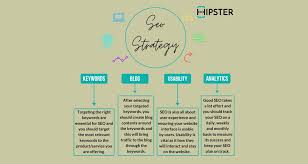
Basic SEO Strategy
In the digital age, Search Engine Optimization (SEO) is crucial for businesses looking to improve their online visibility and attract more organic traffic to their websites. Developing a basic SEO strategy is essential for laying a strong foundation that can help your website rank higher in search engine results pages (SERPs). Here are some key components of a basic SEO strategy:
Keyword Research
Keyword research is the cornerstone of any successful SEO strategy. Identify relevant keywords and phrases that your target audience is likely to use when searching for products or services related to your business. Use tools like Google Keyword Planner or SEMrush to discover high-volume keywords with low competition.
On-Page Optimization
Optimize your website’s on-page elements, including meta titles, meta descriptions, headings, and content, with your target keywords. Ensure that your website is user-friendly, loads quickly, and is mobile-responsive. Create high-quality, informative content that provides value to your visitors.
Link Building
Build high-quality backlinks from reputable websites in your industry to improve your website’s authority and credibility. Focus on acquiring natural backlinks through guest posting, social media promotion, and outreach campaigns. Avoid spammy link-building practices that can harm your website’s ranking.
Local SEO
If you have a physical location or serve a specific geographic area, optimize your website for local search by creating a Google My Business listing, obtaining online reviews, and including location-based keywords in your content. Local SEO can help you attract nearby customers looking for products or services like yours.
Monitoring and Analysis
Track the performance of your SEO efforts using tools like Google Analytics and Google Search Console. Monitor key metrics such as organic traffic, keyword rankings, backlink profile, and conversion rates. Analyze the data regularly to identify areas for improvement and adjust your strategy accordingly.
By implementing these basic SEO strategies consistently and staying up-to-date with industry trends and algorithm updates, you can enhance your website’s visibility in search engines and drive more qualified traffic to your site. Remember that SEO is an ongoing process that requires dedication and continuous refinement to achieve sustainable results.
Essential FAQs on Basic SEO Strategies: A Guide for Beginners
- What are the top three SEO strategies?
- What are the 5 important concepts of SEO?
- What are the 4 main components of an SEO?
- How do I start my SEO strategy?
- What are the top 5 SEO strategies?
- What are the 3 core must haves of basic SEO?
- What are the 4 types of SEO?
- What is your SEO strategy?
- How to do SEO for beginners?
- What are the main strategies in SEO?
- How do I start a SEO strategy?
- What is the 80/20 rule in SEO?
- What are the main SEO strategies?
What are the top three SEO strategies?
When it comes to identifying the top three SEO strategies, it’s essential to focus on key elements that can significantly impact your website’s search engine visibility and performance. Firstly, conducting thorough keyword research to target relevant and high-volume keywords is crucial for driving organic traffic. Secondly, optimizing on-page elements such as meta tags, headings, and content with targeted keywords can improve your website’s relevance and ranking potential. Lastly, building a strong backlink profile through high-quality and authoritative links from reputable sources can boost your site’s authority and credibility in the eyes of search engines. Implementing these top three SEO strategies diligently can help enhance your online presence and attract valuable traffic to your website.
What are the 5 important concepts of SEO?
When it comes to understanding the fundamental principles of SEO, there are five key concepts that play a significant role in shaping an effective strategy. Firstly, keyword research is essential for identifying the terms and phrases that users are searching for in relation to your business. On-page optimization involves structuring your website’s content and meta tags with these keywords to improve its visibility in search results. Link building is another crucial aspect, as acquiring high-quality backlinks from reputable sites can boost your website’s authority and credibility. Local SEO focuses on optimising your online presence for specific geographic locations, while monitoring and analysis help track the performance of your SEO efforts and make informed adjustments for continuous improvement. Mastering these five important concepts of SEO can lay a strong foundation for driving organic traffic and enhancing your online presence.
What are the 4 main components of an SEO?
When it comes to understanding the fundamental elements of SEO, it is essential to recognise the four main components that form the backbone of an effective strategy. These components include keyword research, on-page optimization, link building, and monitoring and analysis. Keyword research involves identifying relevant keywords to target in your content to attract organic traffic. On-page optimization focuses on fine-tuning various on-page elements such as meta tags, headings, and content to improve search engine visibility. Link building is crucial for establishing authority and credibility by acquiring quality backlinks from reputable websites. Monitoring and analysis play a vital role in tracking performance metrics and making data-driven decisions to continuously enhance SEO efforts for sustainable results.
How do I start my SEO strategy?
When embarking on your SEO journey, the first step in starting your strategy is to conduct thorough keyword research to identify relevant terms and phrases that align with your business objectives and target audience. Understanding the search intent behind these keywords will help you create content that resonates with users and improves your website’s visibility in search engine results. Once you have a solid list of keywords, focus on optimizing your website’s on-page elements, such as meta titles, meta descriptions, and headings, with these keywords. Building a strong foundation through keyword research and on-page optimization sets the stage for a successful SEO strategy that can drive organic traffic and enhance your online presence.
What are the top 5 SEO strategies?
When it comes to the top 5 SEO strategies, there are key tactics that can significantly impact your website’s search engine visibility and performance. Firstly, conducting thorough keyword research to target relevant and high-volume keywords is essential. Optimizing on-page elements such as meta titles, descriptions, and content with these keywords is crucial for ranking well in search results. Building a strong backlink profile from reputable websites can enhance your site’s authority and credibility. Additionally, focusing on creating high-quality, informative content that resonates with your target audience is vital for engaging visitors and improving rankings. Lastly, monitoring and analysing key metrics regularly to track the effectiveness of your SEO efforts and make data-driven decisions for continuous improvement is fundamental in achieving long-term success in search engine optimisation.
What are the 3 core must haves of basic SEO?
When it comes to basic SEO strategy, there are three core must-haves that form the foundation of a successful approach. Firstly, keyword research is essential in identifying relevant terms and phrases that your target audience is using to search for your products or services. By incorporating these keywords strategically into your website’s content and meta tags, you can improve your visibility in search engine results. Secondly, on-page optimization plays a crucial role in ensuring that your website is user-friendly, technically sound, and provides valuable information to visitors. Optimizing elements such as meta titles, descriptions, headings, and content helps search engines understand the relevance of your site to specific queries. Lastly, building a strong backlink profile from reputable websites in your industry establishes credibility and authority for your site, ultimately boosting its ranking potential. These three core components work together to lay a solid groundwork for an effective SEO strategy that drives organic traffic and enhances online visibility.
What are the 4 types of SEO?
When exploring the realm of SEO, it is common to encounter the question: “What are the 4 types of SEO?” The four primary types of SEO encompass different aspects of optimisation strategies, namely: on-page SEO, off-page SEO, technical SEO, and local SEO. On-page SEO focuses on optimizing individual web pages to improve search engine rankings and user experience. Off-page SEO involves activities outside the website to enhance its authority and relevance through link building and social media engagement. Technical SEO deals with site infrastructure and performance optimization for search engines to crawl and index content efficiently. Lastly, local SEO targets geographically specific searches to help businesses attract local customers effectively. Understanding these distinct types of SEO is crucial for developing a comprehensive strategy that can elevate a website’s visibility and performance in search engine results.
What is your SEO strategy?
When asked about our SEO strategy, we emphasise a comprehensive approach that encompasses keyword research, on-page optimization, link building, local SEO, and continuous monitoring and analysis. Our strategy revolves around identifying relevant keywords, optimizing website content and structure, building high-quality backlinks, enhancing local search visibility, and tracking key performance metrics to ensure continuous improvement. By implementing these fundamental SEO practices consistently and adapting to the evolving digital landscape, we strive to enhance online visibility and drive organic traffic for our clients.
How to do SEO for beginners?
For beginners looking to delve into the world of SEO, a solid starting point is to focus on fundamental aspects such as keyword research, on-page optimization, and creating quality content. Begin by conducting keyword research to identify relevant terms that your target audience is likely to search for. Optimise your website’s on-page elements, including meta titles, descriptions, and headings, with these keywords. Crafting informative and engaging content that addresses the needs of your audience is key. Additionally, familiarise yourself with basic link-building practices and the importance of monitoring and analysing your SEO efforts using tools like Google Analytics. By laying a strong foundation with these essential steps, beginners can kickstart their SEO journey effectively and gradually expand their knowledge and skills in this dynamic field.
What are the main strategies in SEO?
When it comes to the main strategies in SEO, there are several key approaches that businesses can implement to enhance their online presence and improve their search engine rankings. These strategies include thorough keyword research to target relevant search terms, on-page optimization to ensure that website content is structured and tagged correctly for search engines, high-quality link building to establish credibility and authority, local SEO tactics for businesses targeting specific geographic areas, and continuous monitoring and analysis of performance metrics to track progress and make informed adjustments. By combining these essential strategies in a cohesive SEO plan, businesses can increase their visibility in search engine results pages and attract more organic traffic to their websites.
How do I start a SEO strategy?
When embarking on the journey of developing a SEO strategy, it is essential to begin with comprehensive keyword research to identify relevant terms that align with your business objectives and target audience. Conduct a thorough analysis of your website’s current performance and identify areas for improvement in on-page optimization, content quality, and user experience. Establish clear goals and objectives for your SEO strategy, whether it’s increasing organic traffic, improving search engine rankings, or boosting conversions. Create a solid foundation by focusing on on-page elements, such as meta tags, headings, and content, and gradually expand into off-page tactics like link building and local SEO. Regularly monitor and analyse the performance of your SEO efforts to make informed decisions and adjustments along the way. Remember that building a successful SEO strategy requires patience, consistency, and a commitment to ongoing learning and adaptation in the dynamic digital landscape.
What is the 80/20 rule in SEO?
The 80/20 rule in SEO, also known as the Pareto Principle, suggests that roughly 80% of the results come from 20% of the efforts. Applied to search engine optimization, this principle implies that focusing on key areas that yield the most significant impact can drive a majority of the desired results. In essence, by identifying and prioritizing the vital aspects of SEO such as high-impact keywords, quality content creation, and authoritative backlinks, businesses can maximise their efforts and resources to achieve substantial improvements in their search engine rankings and overall online visibility.
What are the main SEO strategies?
When it comes to the main SEO strategies, several key approaches can significantly impact a website’s search engine visibility and ranking. These strategies include thorough keyword research to target relevant search terms, on-page optimization of meta tags and content, building high-quality backlinks from authoritative websites, implementing a user-friendly website structure, and focusing on local SEO efforts for businesses targeting specific geographic areas. Monitoring performance through analytics tools and regularly updating strategies based on data analysis are also vital components of a successful SEO strategy. By combining these main SEO strategies effectively, businesses can enhance their online presence and attract more organic traffic to their websites.