SEO, SEM and Social Media Marketing: How They Work Together
Building a strong online presence takes more than one marketing channel. Search engine optimisation (SEO), search engine marketing (SEM) and social media marketing each help businesses reach potential customers in different ways. Used together, they can improve visibility, attract relevant audiences and support business growth.
What is SEO?
SEO is the process of improving a website so that it is more likely to appear in organic, non-paid search results. It combines several areas of work, including:
- Technical SEO: helping search engines access, understand and index a website.
- On-page SEO: creating useful pages with clear headings, descriptive titles and relevant content.
- Off-page SEO: building the website’s reputation through relevant, trustworthy links and brand mentions.
- Local SEO: making it easier for people in a particular area to find a business.
SEO is generally a long-term activity. Strong results depend on a useful website, consistent work and an understanding of what the intended audience is searching for.
What is SEM?
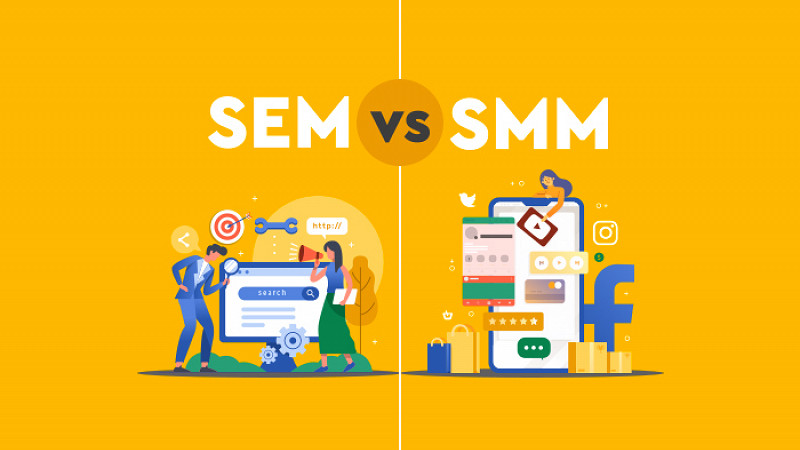
SEM stands for search engine marketing. The term is sometimes used broadly to describe marketing through search engines, including SEO. In many business settings, however, it refers specifically to paid search advertising, such as pay-per-click (PPC) campaigns.
Paid search lets businesses bid to show adverts for selected search terms. Advertisers may pay when someone clicks an advert, although campaign costs and formats vary. SEM can help a business appear quickly for relevant searches, while SEO works towards visibility in organic results over time.
Effective paid search relies on more than choosing keywords. Advert copy, landing-page quality, audience settings and budget management all influence campaign performance.
What is social media marketing?
Social media marketing involves using platforms such as Instagram, LinkedIn, Facebook, TikTok and Pinterest to connect with an audience. It can include organic posts, community management, influencer partnerships and paid advertising.
Social media is useful for sharing content, developing brand recognition, listening to customers and encouraging people to visit a website. The best platform and content format depend on the audience and the business’s objectives. A professional services firm, for example, may focus on LinkedIn, while a visually led retailer may find Instagram or Pinterest more suitable.
How the three channels complement one another
SEO, SEM and social media marketing are not competing approaches. Each can contribute to a broader marketing strategy:
- SEO builds lasting organic visibility. Helpful pages can attract people who are actively looking for information, products or services.
- SEM captures search demand quickly. Paid adverts can provide visibility for important searches while organic rankings develop.
- Social media helps build relationships and awareness. It gives businesses a way to share content, communicate directly and reach audiences who may not yet be searching for them.
For example, a business could publish an in-depth guide optimised for search, promote it through social media and run a paid search campaign for closely related, high-intent terms. The resulting data can help the team understand which topics and messages resonate with potential customers.
Creating a joined-up strategy
- Set clear objectives. Decide whether the priority is brand awareness, enquiries, online sales, bookings or another measurable outcome.
- Understand the audience. Research customer needs, common questions, search behaviour and the platforms they use.
- Choose the right keywords and topics. Use search data and customer insight to identify relevant subjects, rather than targeting terms simply because they have high search volumes.
- Create useful, consistent content. Make sure website pages and social posts provide genuine value and reflect the brand’s expertise.
- Connect campaigns to relevant landing pages. Visitors should be able to find the information or next step promised in an advert or social post.
- Measure and refine. Review performance regularly and adjust content, targeting, budgets and user journeys based on the results.
Measuring performance
Each channel needs appropriate measures. SEO reporting may include organic visits, search visibility, rankings for relevant terms and conversions. SEM can be assessed through impressions, clicks, cost per click, conversion rate and return on advertising spend. Social media measures might include reach, engagement, referral visits, leads or sales.
Metrics should be linked to business goals. A post with many likes is not necessarily successful if the objective was to generate qualified enquiries. Likewise, a high volume of website traffic may have little value if visitors do not find what they need.
Common mistakes to avoid
- Treating SEO as a one-off task instead of an ongoing process.
- Running paid campaigns without setting a clear budget or conversion goal.
- Publishing on every social platform without considering where the audience is active.
- Using the same message and format across every channel without adapting it.
- Focusing on rankings, clicks or followers without considering meaningful outcomes.
- Sending visitors to slow, confusing or irrelevant landing pages.
Conclusion
SEO, SEM and social media marketing each serve a distinct purpose. SEO supports organic discovery, SEM provides paid visibility in search, and social media helps brands engage with people across digital communities. A thoughtful strategy brings these channels together around shared objectives, relevant content and a clear understanding of the audience. With regular measurement and improvement, businesses can make better use of their marketing resources and build a more effective online presence.
7 Essential Tips for Effective SEO, SEM, and Social Media Marketing
- Use relevant keywords in helpful, well-structured content.
- Write clear page titles and meta descriptions.
- Improve page speed and mobile usability.
- Target specific search terms in paid campaigns.
- Test ad copy and landing pages regularly.
- Share useful, engaging content on social media.
- Track results and refine your marketing based on performance.
Use relevant keywords in helpful, well-structured content.
Use relevant keywords naturally in helpful, well-structured content to make it easier for people and search engines to understand what a page is about. Start by considering the words and questions your audience is likely to use, then organise the information with clear headings, concise paragraphs and useful examples. Avoid forcing keywords into every sentence: content should read naturally and provide genuine value. The same principle applies to SEO, paid search and social media—relevant language can help connect your message with the right audience, wherever they discover your business.
Write clear page titles and meta descriptions.
Write clear, descriptive page titles and meta descriptions to help people understand what each page offers before they click. Include the page’s main topic and, where appropriate, a relevant search term, while keeping the wording natural and accurate. A compelling title and description can make your search result more appealing, support your SEO efforts and set clear expectations for visitors arriving from search engines or social media.
Improve page speed and mobile usability.
Improve page speed and mobile usability to give visitors a smoother experience across your SEO, SEM and social media campaigns. Pages that load quickly and work well on smartphones are easier to use, helping people stay engaged after clicking an organic result, paid advert or social post. Compress images, reduce unnecessary scripts, use clear navigation and make buttons easy to tap. Regularly test key pages on mobile devices, as a better user experience can support conversions and strengthen the performance of your marketing efforts.
Target specific search terms in paid campaigns.
Target specific search terms in paid campaigns to reach people whose searches closely match your products or services. Focus on relevant, high-intent keywords rather than broad terms that may attract clicks but few enquiries or sales. Use the wording of your adverts and landing pages to reflect the search terms, then review performance regularly and refine your targeting to make the most of your budget.
Test ad copy and landing pages regularly.
Test your ad copy and landing pages regularly to find out what resonates with your audience and encourages them to take action. Try different headlines, calls to action, images and page layouts, changing one element at a time where possible so you can identify what makes a difference. Use results such as click-through rates, conversions and cost per lead to guide improvements, and apply useful insights across your SEO, SEM and social media campaigns.
Share useful, engaging content on social media.
Share useful, engaging content on social media to give your audience a reason to pay attention, interact and return. Offer practical advice, answer common questions and use formats that suit each platform, such as short videos, images or thoughtful updates. Content that people find valuable is more likely to be shared, helping to increase brand awareness and bring relevant visitors to your website. It can also support your wider SEO and SEM efforts by highlighting topics that resonate with your audience and informing future content and advertising.
Track results and refine your marketing based on performance.
Track the performance of your SEO, SEM and social media activity to understand what is delivering meaningful results. Monitor relevant measures such as organic visits, search advert conversions, engagement and enquiries, then compare them with your marketing goals. Use these insights to refine your keywords, content, audience targeting and budgets over time. Regular review helps you focus effort on the channels and tactics that best support your business.