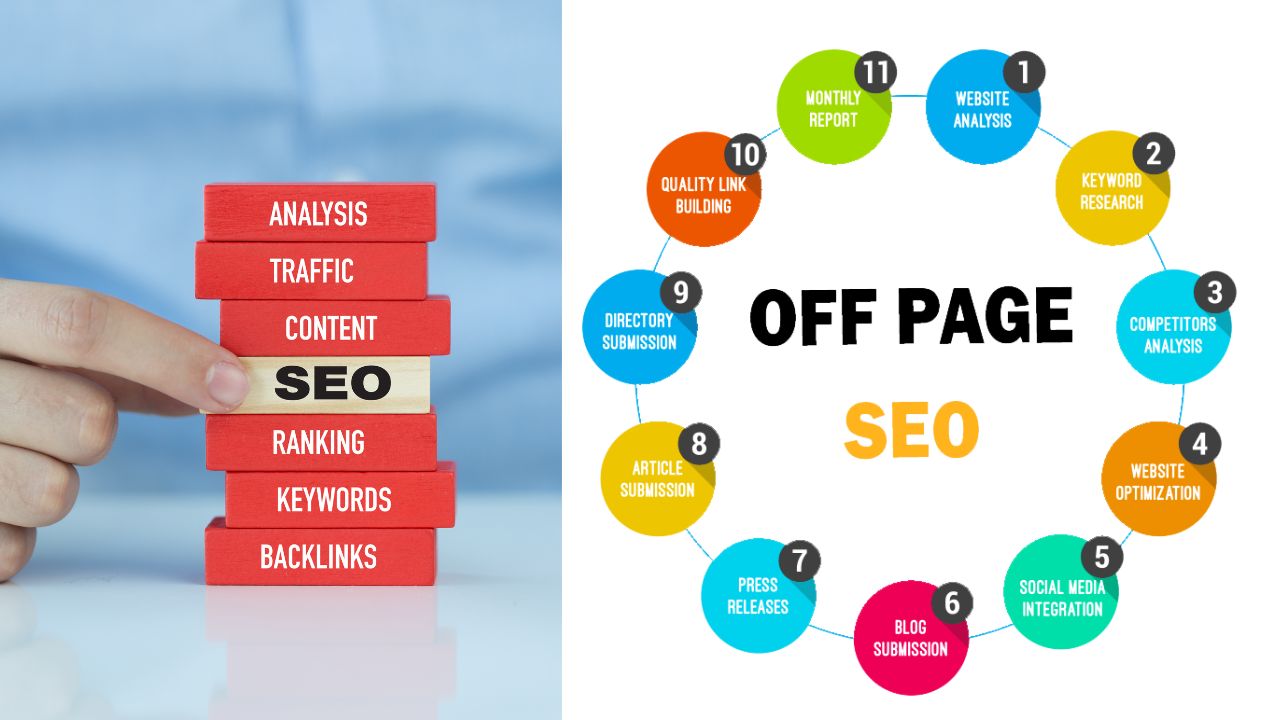
Off-Page SEO Strategy in 2021: A Practical Guide
Off-page SEO refers to activities carried out beyond your website that can influence its visibility in search results. In 2021, a strong off-page strategy was about more than collecting backlinks. It meant building a trustworthy reputation, earning relevant mentions and making it easier for people to discover and recommend your business.
Search engine algorithms continued to evolve throughout the year, with greater emphasis on the quality and context of links. Google’s link spam updates also reinforced the importance of earning links naturally rather than relying on manipulative tactics. Here is how businesses could build a sustainable off-page SEO strategy in 2021.
Earn relevant, high-quality backlinks
Backlinks remained an important signal for search engines, but not all links carried the same value. A relevant link from a respected website in your industry was generally more useful than a large number of unrelated links from low-quality sites.
Focus on earning links from websites that:
- Cover subjects related to your business or expertise.
- Have a genuine audience and publish useful content.
- Link to your website because it offers value to their readers.
Before pursuing a link, consider whether it would help a real person find useful information. If the answer is no, it may not be worth pursuing.
Use digital PR to attract coverage
Digital PR can help your organisation earn attention and links by offering journalists, publishers and bloggers something worth covering. This could include original research, expert commentary, a useful data study, a new product or a timely response to an industry development.
Start with a clear story and evidence to support it. Make your media materials easy to use, respond promptly to enquiries and target publications whose readers are likely to care about the topic. The aim is to create useful coverage, not simply to secure a link at any cost.
Create content people want to reference
Useful, well-researched content gives other websites a reason to cite your work. In 2021, effective link-worthy resources included original surveys, practical guides, expert round-ups, calculators, infographics and detailed explanations of complex subjects.
Choose topics that match your audience’s needs and provide something distinctive. A fresh perspective, first-hand experience or reliable data can make content more valuable than a general article covering familiar ground.
Build relationships through thoughtful outreach
Outreach can introduce your work to relevant publishers and industry professionals, but it should be personalised and respectful. Explain why the resource may be useful to their audience, provide the necessary context and avoid mass emails that make generic requests for links.
Good outreach supports a genuine relationship. It does not guarantee a link, and recipients should be free to decide whether the content is right for their readers.
Treat guest contributions carefully
Writing for reputable websites can help you share expertise and reach a new audience. The contribution should be original, relevant to the publication and valuable on its own. A guest article created mainly to place keyword-rich links is unlikely to be a sustainable approach.
Follow the publisher’s editorial standards and use links only where they help readers. Paid or sponsored links should be clearly qualified in line with search engine guidance, rather than presented as editorial endorsements.
Strengthen local visibility
For businesses serving a particular area, local SEO was an important part of off-page activity in 20
Keep your business details accurate and consistent across key directories, industry listings and local platforms. This includes your business name, address, telephone number and website.
Claim and maintain your Google Business Profile, choose appropriate categories and keep opening hours up to date. Encourage satisfied customers to leave honest reviews, and respond to feedback professionally. Never offer incentives in exchange for positive reviews or post reviews that are not genuine.
Encourage reviews and build trust
Reviews can influence how potential customers perceive a business and may contribute to local visibility. Ask customers for feedback at an appropriate point in their experience, make the process straightforward and respond constructively to both praise and criticism.
Reviews are not a substitute for good service. A consistent effort to deliver a positive customer experience is the foundation of a credible review profile.
Support brand awareness across channels
Social media shares were not generally treated as direct ranking signals, but social platforms could help content reach people who might read, discuss or link to it. Use the channels that your audience actually uses, and share content in a way that encourages genuine engagement.
Brand mentions, partnerships, events and community participation can also help build recognition. These activities may not always produce a backlink, but they can increase familiarity and create opportunities for people to find your website.
Review your backlink profile
Regularly review the websites linking to yours, paying attention to relevance, context and patterns. Look for links that appear to have been created through spam, automated tools or schemes that violate search engine guidelines. A sudden increase in suspicious links is a reason to investigate, not to panic.
Use reputable SEO tools alongside Google Search Console to monitor links and organic performance. Disavowing links should be approached cautiously and is generally reserved for situations where there is a clear, substantial issue—not as a routine clean-up exercise.
Measure outcomes, not just link totals
A useful off-page SEO report should look beyond the number of backlinks acquired. Track indicators such as:
- Organic traffic and visibility for relevant searches.
- Referral visits from websites that link to you.
- Enquiries, sales or other meaningful conversions.
- Coverage and mentions in relevant publications.
- Local visibility, review activity and business profile interactions.
Results can take time, and a single campaign may not produce immediate ranking changes. Review performance over an appropriate period and use what you learn to improve future activity.
Off-page SEO tactics to avoid
In 2021, businesses needed to be particularly cautious about tactics designed to manipulate rankings. These included buying links that passed ranking credit, participating in link exchanges at scale, using private blog networks, placing keyword-stuffed links in unrelated content and creating automated links.
Such approaches can put a website’s visibility at risk and often fail to create lasting value. Prioritise useful content, authentic relationships and transparent promotion instead.
Conclusion
An effective off-page SEO strategy in 2021 combined relevant link earning with reputation-building activities. Digital PR, useful content, local listings, genuine reviews and considered outreach could all help a business become more visible and trusted.
The guiding principle was simple: create something worth recommending, then make the right people aware of it. Sustainable off-page SEO is built on relevance, credibility and value—not shortcuts or link totals alone.
Top 6 Off-Page SEO Strategies for 2021: Boost Your Rankings with Quality Backlinks and Industry Engagement
- Earn quality backlinks through useful, original content.
- Use digital PR to gain coverage from trusted publications.
- Write relevant guest posts; avoid link schemes.
- Keep local business listings accurate and consistent.
- Build genuine relationships in your industry and community.
- Monitor backlinks and disavow harmful links when appropriate.
Earn quality backlinks through useful, original content.
Earn quality backlinks by creating useful, original content that offers genuine value to your audience. In 2021, in-depth guides, original research, expert insights and practical resources gave other websites a clear reason to reference and link to your work. Focus on content that is accurate, relevant and distinctive, then share it thoughtfully with publishers and industry contacts who may find it useful. A few relevant, naturally earned links can be more valuable than many low-quality links.
Use digital PR to gain coverage from trusted publications.
Use digital PR to earn coverage from trusted publications by sharing a story, insight or resource that is genuinely useful to their readers. Original research, expert commentary and timely industry perspectives can give journalists a compelling reason to feature your business—and may earn relevant backlinks that support your off-page SEO. Focus on building relationships and offering clear, reliable information rather than simply asking for links.
Write relevant guest posts; avoid link schemes.
Write guest posts for reputable websites that are relevant to your industry and offer genuine value to their readers. Focus on sharing useful expertise rather than securing a backlink, and only include links where they naturally support the content. Avoid paid link schemes, excessive reciprocal linking and low-quality guest-post networks, as these can undermine trust and put your search visibility at risk.
Keep local business listings accurate and consistent.
Keeping local business listings accurate and consistent was an important part of an off-page SEO strategy in 2021. Make sure your business name, address, phone number, website and opening hours match across key directories, social platforms and your Google Business Profile. Accurate details help customers find and contact you, while reducing confusion about which information is correct. Review listings regularly and update them promptly whenever your details change.
Build genuine relationships in your industry and community.
Build genuine relationships within your industry and local community by taking part in relevant events, collaborating with trusted organisations and sharing your expertise. These connections can help your business earn mentions, referrals and natural backlinks from people who value your work. Focus on offering something useful and building trust over time, rather than treating every interaction as a quick opportunity to gain a link.
Monitor backlinks and disavow harmful links when appropriate.
Monitor your backlink profile regularly to understand which websites are linking to yours and to spot unusual or potentially manipulative patterns. A link that looks unfamiliar is not necessarily harmful, so assess its context and quality before taking action. If you identify a substantial number of clearly spammy links that may breach Google’s spam policies, consider using Google’s Disavow Links tool—but only when appropriate, as incorrect use can affect your site’s performance. For most websites, careful monitoring and addressing the source of problematic links, where possible, are better than routinely disavowing links.