Search Engine Optimisation Course: What to Learn and How to Choose
A search engine optimisation (SEO) course can help you understand how websites appear in search results and what you can do to improve their visibility. Whether you manage a business website, work in marketing or are considering a career in digital marketing, learning SEO can give you practical skills for attracting relevant visitors online.
SEO is not a one-off trick or a guaranteed route to the top of Google. It is an ongoing process that combines useful content, sound website performance and a clear understanding of what people are searching for. A good course explains these principles and shows how to apply them responsibly.
What does an SEO course cover?
Course content varies, but most programmes introduce the main areas of SEO:
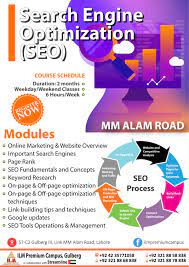
- Keyword research: Finding and assessing the search terms people use, then matching them to relevant pages.
- On-page SEO: Improving page titles, headings, content, internal links and other elements that help visitors and search engines understand a page.
- Technical SEO: Learning about site structure, crawling and indexing, mobile usability, page speed and other technical factors.
- Content strategy: Planning helpful, original content that answers users’ questions and supports a website’s goals.
- Off-page SEO: Understanding how reputation and links from other websites can affect visibility, and how to build authority ethically.
- Measurement and reporting: Using analytics and search performance data to assess progress and identify opportunities.
- Local SEO: Helping organisations improve their visibility in location-based searches, where relevant.
Why learn SEO?
SEO skills are useful for more than dedicated search specialists. Business owners can use them to make their websites easier to find. Writers and content teams can create pages that better meet readers’ needs. Developers can build sites that are easier to crawl and use, while marketers can connect search activity with wider business objectives.
For those pursuing a digital marketing career, an SEO course can provide a foundation in research, content planning, technical problem-solving and performance analysis. These skills can also support related areas such as paid search, content marketing and digital strategy.
How to choose the right course
Before enrolling, consider your experience and what you want to achieve. A beginner may benefit from a course that explains core concepts step by step. Someone with existing experience might prefer focused training in technical SEO, local search or analytics.
Look for a course that:
- covers practical tasks as well as theory;
- uses current examples and explains that search practices can change;
- teaches ethical, user-focused optimisation rather than shortcuts;
- includes exercises, case studies or a project you can add to a portfolio;
- clearly states its duration, format, costs and any assessment requirements;
- is led by instructors with relevant, demonstrable experience.
Be cautious of promises that a course will guarantee rankings, instant traffic or a particular income. Search performance depends on many factors, including competition, the quality of a website and changes to search systems. Training can build knowledge, but results take time and application.
Make your learning practical
SEO is easier to understand when you practise it. Try reviewing a website’s pages, researching a topic, improving a page title or checking whether important pages are accessible to search engines. Use reputable tools to explore search queries, site performance and technical issues, and record what you change and what happens afterwards.
It is also important to keep learning. Search engines update their systems, user behaviour shifts and new tools emerge. A strong course should give you a framework for evaluating changes, not simply a list of tactics to follow indefinitely.
Is an SEO course worth it?
An SEO course can be a worthwhile investment if it matches your goals and gives you the chance to apply what you learn. For best results, combine structured training with regular practice, careful measurement and a focus on creating a genuinely useful experience for visitors.
With a solid understanding of keyword research, content, technical foundations and performance analysis, you can make more informed decisions about how to improve a website’s search visibility over time.
5 Tips for Choosing a Search Engine Optimisation Course
- Choose a course covering keyword research and search intent.
- Learn on-page SEO, including titles, headings and internal links.
- Check that the course teaches technical SEO and site speed.
- Practise with real websites and SEO tools.
- Look for up-to-date lessons on search engine changes.
Choose a course covering keyword research and search intent.
Choose a search engine optimisation course that covers both keyword research and search intent. Keyword research helps you discover the terms people use when looking for information, products or services, while understanding search intent helps you work out what they actually want from those searches. Together, these skills can help you plan relevant content, target the right audience and create pages that are more useful to visitors.
Learn on-page SEO, including titles, headings and internal links.
A good search engine optimisation course should teach you how to improve on-page SEO by making each page clear, relevant and easy to navigate. Learn to write descriptive page titles that reflect the content, organise information with helpful headings, and add internal links that guide visitors to related pages. These practical skills help users find what they need and make it easier for search engines to understand how your content fits together.
Check that the course teaches technical SEO and site speed.
Check that the course covers technical SEO and site speed, as both can affect how easily search engines crawl and understand a website, as well as how smoothly it works for visitors. Look for practical guidance on topics such as mobile usability, page loading times, site structure and identifying technical issues. These skills will help you make informed improvements that support a better user experience and stronger search visibility.
Practise with real websites and SEO tools.
Practise with real websites and SEO tools to turn theory into useful skills. Try researching keywords, reviewing page titles and headings, checking for technical issues and tracking performance over time. Working on live sites helps you understand how SEO decisions affect real users and results, while tools such as Google Search Console and analytics platforms can reveal what is working and where improvements may be needed.
Look for up-to-date lessons on search engine changes.
Choose a search engine optimisation course with up-to-date lessons on changes to search algorithms, features and guidance. Search engines evolve, so older advice may no longer be effective—or could even lead to poor results. Look for courses that are regularly reviewed and teach you how to assess new developments, rather than relying on short-lived tricks.