Local Website Optimisation: A Practical Guide for UK Businesses
When people need a nearby service, they often turn to a search engine. They might look for a plumber in Leeds, a café in Bristol or an accountant near their office. Local website optimisation helps your business appear for relevant searches and gives potential customers the information they need to choose you.
It involves more than adding a town name to a few pages. A well-optimised local website combines useful content, clear business details, a good mobile experience and strong technical foundations.
Make your location and services clear
Explain what your business does, where it operates and who it serves. Include this information naturally in important places such as your homepage, service pages, contact page and page titles. For example, a heating company might create a page about boiler repairs in Nottingham if it genuinely provides that service in the area.
Avoid creating dozens of near-identical pages by swapping one town name for another. Thin or repetitive pages offer little value to visitors. Instead, create location pages only for areas you serve, and make each one genuinely useful. Include relevant services, practical details and information that reflects your work in that location.
Keep your business details consistent
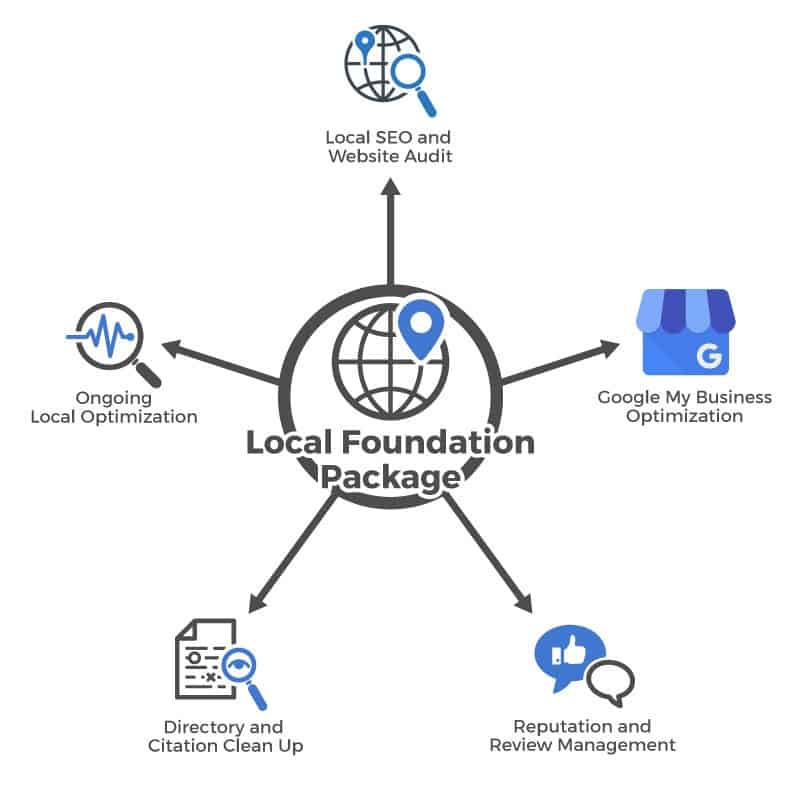
Your business name, address and telephone number should be accurate and consistent across your website and relevant online listings. Put essential contact details somewhere easy to find, such as the header or footer, and provide a dedicated contact page with your opening hours and service area.
If customers visit your premises, include the full address and directions where appropriate. If you travel to customers instead, explain the areas you cover without suggesting that you have a public-facing address in places where you do not.
Optimise page titles and descriptions
Each important page should have a descriptive title and a concise meta description. These help search engines and people understand what the page is about. A useful title might combine a service with a location, such as “Emergency Plumber in York | Example Plumbing”. Keep titles readable and specific, rather than repeating keywords unnaturally.
Use clear headings to organise the page, and make sure the main heading accurately describes its content. Write for customers first: explain the service, what is included and how they can get in touch.
Create useful local content
Local content should answer real questions from your customers. Depending on your business, that could include advice on choosing a service, explanations of local regulations, project examples or answers to common questions. Case studies can be particularly helpful when they describe the customer’s challenge, the work completed and the outcome, with permission where needed.
Do not add local references simply to make a page appear relevant. Mention places and local details only when they help visitors understand your services or experience.
Make the website fast and mobile-friendly
Many local searches happen on mobile phones, often when someone needs information quickly. Your website should load promptly, work well on smaller screens and make key actions easy to complete. Check that telephone numbers can be tapped to call, forms are straightforward and directions or booking details are easy to find.
Compress large images, remove unnecessary scripts and use reliable hosting to support performance. Regularly test your pages on different devices, as a site that looks good on a desktop may be difficult to use on a phone.
Use structured data where appropriate
Structured data can help search engines interpret information about your organisation, such as its name, contact details and opening hours. Local business schema may be suitable for some businesses, but it should reflect information that is visible and accurate on the website. Structured data does not guarantee enhanced search results, so treat it as a way to clarify information rather than a shortcut to rankings.
Build trust with reviews and clear policies
Genuine customer reviews can help people feel more confident about contacting your business. Invite customers to share honest feedback and respond professionally to reviews where appropriate. Never publish fabricated testimonials or offer incentives in ways that breach the platform’s rules.
Trust also comes from clear, accessible information: explain your services, prices or quoting process, relevant qualifications, guarantees and policies. Make sure claims are accurate and easy to verify.
Measure and improve
Use analytics and search performance tools to understand how people find and use your website. Track meaningful outcomes such as calls, form submissions, bookings and direction requests, not just visits. Review which pages attract relevant visitors and where people leave, then make changes based on evidence.
Local optimisation is ongoing
Local website optimisation is not a one-off task. Services change, opening hours need updating and customer questions evolve. By keeping information accurate, improving the user experience and publishing genuinely useful content, your website can become a more effective resource for local customers—and a stronger foundation for your online visibility.
Understanding Local SEO: Examples, Beginner Tips, Key Strategies, and Differences from General SEO
- What is local SEO example?
- How to do local SEO for beginners?
- What is the best thing to do for local SEO?
- What is the difference between SEO and local SEO?
What is local SEO example?
A local SEO example is a Manchester electrician optimising their website for searches such as “electrician in Manchester” or “emergency electrician near me”. They might create a helpful page describing their electrical services in the area, display accurate contact details and opening hours, and maintain a complete Google Business Profile. These steps can help search engines connect the business with relevant local searches and make it easier for nearby customers to get in touch.
How to do local SEO for beginners?
For beginners, local SEO starts with making sure your business information is accurate and consistent across your website and online listings. Clearly state what you offer, where you operate and how customers can contact you, then create helpful pages for your services and the locations you genuinely serve. Set up and maintain a Google Business Profile if your business is eligible, encourage honest customer reviews, and make your website easy to use on mobile phones. Keep your details up to date and use tools such as Google Search Console to monitor how people find your site. Focus on useful information and a good customer experience rather than trying to repeat location keywords unnaturally.
What is the best thing to do for local SEO?
The best place to start with local SEO is to make your business information accurate and consistent wherever it appears online. Keep your name, address, phone number and opening hours up to date on your website and Google Business Profile, and clearly describe the services and areas you cover. Then encourage genuine customer reviews and make sure your website is mobile-friendly, fast and useful to local visitors. These fundamentals help people find and trust your business.
What is the difference between SEO and local SEO?
SEO aims to improve a website’s visibility in search results more broadly, often across national or international audiences. Local SEO focuses on searches with a geographic intent, such as “electrician in Cardiff” or “café near me”. It helps businesses reach nearby customers through location-specific website content, accurate business details and local listings. In short, SEO targets relevant searches wherever people are, while local SEO helps connect businesses with people in the areas they serve.