Search Engine Optimisation Meaning: What Is SEO?
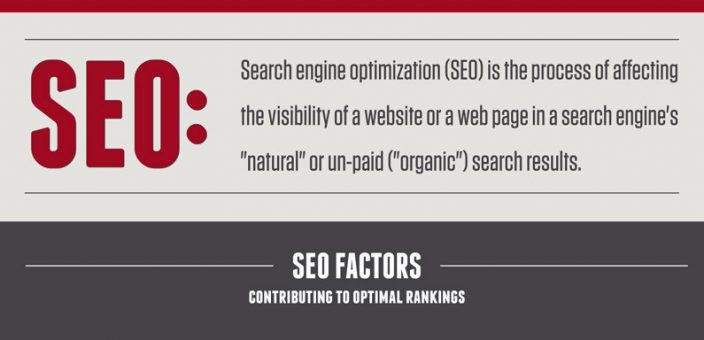
Search engine optimisation, usually shortened to SEO, is the process of improving a website so that it is easier for search engines to understand and more likely to appear prominently in relevant, unpaid search results.
In simple terms, SEO helps connect people searching online with useful pages, products or services. It focuses on organic results rather than paid adverts. The aim is not just to attract more visitors, but to reach people who are looking for what a website offers.
What does SEO stand for?
SEO stands for search engine optimisation. You may also see the American spelling, “search engine optimization”. Both terms refer to the same practice: improving a website’s visibility in search engines such as Google and Bing.
How does SEO work?
Search engines use automated systems to discover pages, understand their content and decide which results are most useful for a search. SEO helps make a website’s pages clear, accessible and relevant.
There is no single change that guarantees a top ranking. Search engines consider many signals, including the relevance and usefulness of a page, its technical accessibility and the reputation of the website. These signals can change over time, so SEO is an ongoing process rather than a one-off task.
The main areas of SEO
On-page SEO
On-page SEO involves improving the content and elements on individual pages. This can include using clear page titles and headings, answering readers’ questions, organising information logically and including relevant search terms naturally.
Technical SEO
Technical SEO helps search engines access and understand a website. It may involve improving page speed, ensuring the site works well on mobile devices, fixing broken links and making sure important pages can be crawled and indexed.
Off-page SEO
Off-page SEO refers to signals and activity beyond a website itself. Relevant links from other reputable websites can help search engines understand a site’s authority. Brand mentions and a positive online reputation may also contribute to how people discover and assess a business.
Local SEO
Local SEO helps businesses appear in searches connected to a particular area. Accurate business details, locally relevant website content and a well-maintained business profile can help people nearby find a business.
Why is SEO important?
SEO can help a website reach people who are already looking for related information, products or services. A strong organic presence may increase relevant website traffic, build awareness and support enquiries or sales over time.
Unlike paid advertising, organic search visibility does not depend on paying for each click. However, SEO still requires investment in planning, content, technical work and ongoing improvement. Results can take time and are not guaranteed.
What SEO is not
SEO is not a way to trick search engines or guarantee the number-one position. Practices such as filling pages with repeated keywords, publishing low-quality content or buying manipulative links can harm a website’s credibility and may lead to search visibility problems.
Effective SEO puts people first. It aims to make a site genuinely useful while helping search engines interpret its pages accurately.
In summary
The meaning of search engine optimisation is the process of improving a website’s visibility in unpaid search results. It combines useful content, accessible website design, technical improvements and a strong online reputation. Done consistently, SEO can help the right people find a website and make it easier for them to take the next step.
7 Essential Tips for Effective Search Engine Optimisation (SEO)
- SEO stands for search engine optimisation.
- It helps websites appear higher in search results.
- It aims to attract relevant, unpaid traffic.
- Useful content is central to SEO.
- Keywords help search engines understand pages.
- Fast, mobile-friendly sites support SEO.
- SEO is an ongoing process, not a one-off fix.
SEO stands for search engine optimisation.
SEO stands for search engine optimisation: the process of improving a website so it is easier for search engines to understand and more likely to appear in relevant, unpaid search results. It helps people find useful pages, products or services when they search online.
It helps websites appear higher in search results.
Search engine optimisation helps websites appear higher in relevant search results, making them easier for potential customers and readers to find. By improving a site’s content, structure and technical performance, SEO can increase its visibility when people search for related information, products or services.
It aims to attract relevant, unpaid traffic.
A key aim of search engine optimisation (SEO) is to attract relevant, unpaid traffic to a website. This means helping pages appear in organic search results when people look for information, products or services related to the business. By creating useful content and making a site easy for search engines to understand, SEO can connect it with visitors who are more likely to engage—without paying for each click.
Useful content is central to SEO.
Useful content is central to search engine optimisation because it gives people clear, relevant answers to their questions and helps search engines understand what a page is about. Create original, accurate content that is easy to read, well organised and genuinely helpful to your audience. Rather than repeating keywords unnaturally, focus on covering the topic thoroughly and making the next step clear for readers.
Keywords help search engines understand pages.
Keywords help search engines understand what a page is about and when it may be relevant to someone’s search. Use words and phrases your audience is likely to search for in key places, such as the page title, headings and main text. Include them naturally and in context, rather than repeating them excessively; clear, useful content should always come first.
Fast, mobile-friendly sites support SEO.
Fast, mobile-friendly websites support SEO by making it easier for visitors to find and use the information they need. Pages that load quickly and work well on smartphones offer a better user experience, while also helping search engines crawl and understand a site. Use responsive design, optimise images and remove unnecessary features to keep your website accessible and efficient across devices.
SEO is an ongoing process, not a one-off fix.
SEO is an ongoing process, not a one-off fix. Search engines update how they assess websites, competitors improve their pages, and your audience’s needs can change over time. Regularly reviewing your content, checking your site’s performance and addressing technical issues helps keep your website useful, accessible and visible in relevant search results.