The Importance of On-Site Search Engine Optimization
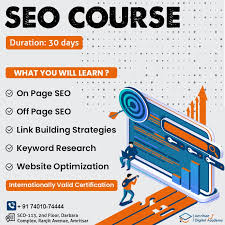
When it comes to improving your website’s visibility and ranking on search engine results pages (SERPs), on-site search engine optimization (SEO) plays a crucial role. On-site SEO involves optimizing various elements on your website to make it more search engine-friendly and user-friendly, ultimately leading to better organic traffic and higher conversion rates.
Key Components of On-Site SEO
There are several key components of on-site SEO that you should focus on to ensure that your website is well-optimized for search engines:
- Title Tags: Title tags are one of the most important on-site SEO elements. They should accurately describe the content of each page and include relevant keywords.
- Meta Descriptions: Meta descriptions provide a brief summary of the content on a page. They should be compelling, relevant, and include keywords to improve click-through rates.
- Heading Tags: Heading tags (H1, H2, H3, etc.) help structure your content and make it easier for both users and search engines to understand the hierarchy of information on your page.
- URL Structure: A clear and concise URL structure can improve both user experience and SEO. Use descriptive URLs that include relevant keywords.
- Optimized Content: High-quality, relevant, and engaging content is key to successful on-site SEO. Make sure your content is optimized for target keywords without keyword stuffing.
- Internal Linking: Internal links help search engines crawl and index your website more effectively. They also help users navigate between related pages on your site.
The Benefits of On-Site SEO
Implementing effective on-site SEO practices can bring a range of benefits to your website, including:
- Improved Search Engine Rankings: Optimizing your website’s on-page elements can help boost its visibility in search engine results pages.
- Better User Experience: A well-optimized website is not only more appealing to search engines but also provides a better user experience for visitors.
- Increase in Organic Traffic: By making your site more search engine-friendly, you are likely to attract more organic traffic from users actively searching for relevant information or products/services.
- Higher Conversion Rates: When users find what they are looking for easily on your site due to effective on-site SEO, they are more likely to convert into customers or take desired actions.
In Conclusion
In conclusion, prioritizing on-site SEO is essential for any website looking to improve its online visibility, attract quality traffic, and achieve sustainable growth. By focusing on key elements such as title tags, meta descriptions, URL structure, optimized content, internal linking, and more, you can set your website up for success in the competitive digital landscape.
If you’re looking to enhance your website’s performance through effective on-site SEO strategies, consider partnering with experienced professionals who can help you navigate the complexities of search engine optimization and drive meaningful results for your business.
Understanding On-Site Search Engine Optimisation: 22 Frequently Asked Questions
- What is the difference between on-page and on-site SEO?
- What are the four types of search engine optimization?
- What is an example of on site SEO?
- Which is example of on page SEO?
- What are the 3 types of SEO optimizations?
- What is on-page SEO vs content SEO?
- What is the difference between on site and off site SEO stukent?
- What are the 3 types of SEO?
- What is on-page vs off-page SEO?
- What is an example of on-page SEO?
- Why is onsite SEO important?
- What is the difference between onsite and offsite SEO?
- How can a site be optimized for search engines?
- What does on-site SEO include?
- What are the top 5 on page SEO factors?
- What is onsite optimization SEO?
- What is the main objective of doing on page SEO?
- How can I improve my onsite SEO?
- What is the difference between on site SEO and offsite SEO?
- What is the difference between on-site and off site SEO?
- Is on-site search good for SEO?
- What is onsite search engine optimization?
What is the difference between on-page and on-site SEO?
In the realm of search engine optimization (SEO), the terms “on-page” and “on-site” are often used interchangeably, but they actually refer to distinct aspects of website optimization. On-page SEO primarily focuses on optimizing individual web pages to improve their search engine rankings, encompassing elements such as content, meta tags, headings, and internal linking. On the other hand, on-site SEO involves optimizing the entire website as a whole to enhance its overall search engine visibility and user experience. This includes factors like site structure, URL hierarchy, site speed, mobile responsiveness, and overall website performance. While on-page SEO targets specific elements within a page, on-site SEO takes a more holistic approach by ensuring that the entire website is optimally configured for search engines and users alike.
What are the four types of search engine optimization?
When it comes to on-site search engine optimization, understanding the four types of SEO is crucial for implementing effective strategies. The four main types of search engine optimization include on-page SEO, off-page SEO, technical SEO, and local SEO. On-page SEO focuses on optimizing individual web pages to improve their search engine rankings and attract organic traffic. Off-page SEO involves building external links and promoting your site across the web to enhance its authority and credibility. Technical SEO deals with optimizing website infrastructure and performance aspects to ensure search engines can crawl and index your site effectively. Lastly, local SEO targets local searches to help businesses appear in relevant local listings and attract nearby customers. By incorporating these different types of SEO into your on-site optimization efforts, you can enhance your website’s visibility, relevance, and overall performance in search engine results.
What is an example of on site SEO?
An example of on-site SEO is optimizing the title tags and meta descriptions of web pages on a website. For instance, ensuring that the title tag accurately reflects the content of a page and includes relevant keywords can improve its visibility in search engine results. Similarly, crafting compelling meta descriptions that provide a concise summary of the page’s content while incorporating targeted keywords can enhance click-through rates and attract more organic traffic to the site. By strategically optimizing these on-page elements, websites can effectively communicate their relevance to search engines and users, ultimately boosting their search engine rankings and driving valuable organic traffic.
Which is example of on page SEO?
An example of on-page SEO is optimizing the meta tags of a webpage. This includes crafting a relevant and compelling meta title that incorporates target keywords and accurately reflects the content of the page. Additionally, creating a concise and informative meta description that entices users to click through to the page can also enhance on-page SEO. By focusing on refining these on-page elements, websites can improve their search engine visibility and attract more organic traffic from users actively searching for related information or products/services.
What are the 3 types of SEO optimizations?
When it comes to on-site search engine optimization, there are three key types of SEO optimizations that play a significant role in enhancing a website’s visibility and performance. The first type is technical SEO, which focuses on improving the technical aspects of a website to make it more accessible and crawlable for search engines. The second type is on-page SEO, which involves optimizing individual web pages with relevant keywords, quality content, and meta tags to improve their ranking in search results. Lastly, off-page SEO involves building external links and online presence to establish authority and credibility for the website in the eyes of search engines. By incorporating these three types of SEO optimizations effectively, businesses can strengthen their online presence and attract valuable organic traffic.
What is on-page SEO vs content SEO?
A frequently asked question regarding on-site search engine optimization is the distinction between on-page SEO and content SEO. On-page SEO focuses on optimizing various elements within a webpage to improve its search engine visibility, such as title tags, meta descriptions, URL structure, and internal linking. On the other hand, content SEO pertains to the optimization of the actual content on a webpage, including keyword research, quality of writing, relevance to target audience, and overall user engagement. While on-page SEO addresses technical aspects of a webpage, content SEO delves into creating valuable and informative content that not only attracts search engines but also resonates with users. Both on-page SEO and content SEO are crucial components of a comprehensive SEO strategy aimed at enhancing a website’s performance and driving organic traffic.
What is the difference between on site and off site SEO stukent?
One frequently asked question in the realm of search engine optimization (SEO) is the difference between on-site and off-site SEO. On-site SEO refers to the optimization of elements directly on a website, such as meta tags, content, and site structure, to improve search engine visibility and user experience. In contrast, off-site SEO involves strategies implemented outside of the website itself, such as link building and social media marketing, to enhance the site’s authority and credibility in the eyes of search engines. Both on-site and off-site SEO are crucial components of a comprehensive SEO strategy aimed at boosting organic traffic and achieving higher search engine rankings.
What are the 3 types of SEO?
When it comes to search engine optimization (SEO), there are three main types that are commonly recognized: on-site SEO, off-site SEO, and technical SEO. On-site SEO focuses on optimizing elements within your website to improve its visibility and ranking on search engine results pages. This includes optimizing content, meta tags, URL structure, and internal linking. Off-site SEO involves activities conducted outside of your website to enhance its authority and credibility, such as link building and social media marketing. Technical SEO deals with the backend aspects of a website, ensuring it is technically sound and easily accessible by search engines. By understanding and implementing these three types of SEO effectively, businesses can enhance their online presence and attract more organic traffic.
What is on-page vs off-page SEO?
In the realm of search engine optimization (SEO), understanding the distinction between on-page and off-page SEO is crucial for enhancing a website’s visibility and ranking. On-page SEO refers to the optimization of elements within a website itself, such as content, meta tags, headings, and internal linking structure. It focuses on improving the relevance and quality of individual web pages to make them more search engine-friendly. On the other hand, off-page SEO involves activities that take place outside of the website, such as link building, social media marketing, and influencer outreach. Off-page SEO aims to build authority and credibility for a website through external signals and mentions across the web. Both on-page and off-page SEO are essential components of a comprehensive SEO strategy that work in tandem to improve a site’s overall performance in search engine results pages (SERPs).
What is an example of on-page SEO?
An example of on-page SEO is optimizing the meta tags of a webpage. Meta tags, such as the meta title and meta description, play a crucial role in informing search engines about the content of a page. By including relevant keywords in these meta tags and ensuring they accurately reflect the page’s content, you can improve its visibility and relevance in search engine results. Effective optimization of meta tags is a fundamental aspect of on-page SEO that can help drive organic traffic to your website and enhance its overall search engine performance.
Why is onsite SEO important?
On-site SEO is crucial for several reasons. Firstly, it helps search engines understand the relevance and context of your website’s content, making it easier for them to index and rank your pages accurately. By optimising on-site elements such as title tags, meta descriptions, and internal links, you can enhance the overall user experience and increase the chances of your site appearing in relevant search results. Additionally, effective on-site SEO can drive organic traffic to your website, improve its visibility online, and ultimately lead to higher conversion rates. Investing in on-site SEO is a strategic approach to building a strong foundation for your digital presence and ensuring long-term success in the competitive online landscape.
What is the difference between onsite and offsite SEO?
In the realm of search engine optimization (SEO), understanding the distinction between on-site and off-site SEO is crucial for effectively enhancing a website’s visibility and ranking on search engine results pages. On-site SEO primarily focuses on optimizing elements within the website itself, such as meta tags, content, URL structure, and internal linking. In contrast, off-site SEO involves strategies implemented outside of the website to improve its authority and credibility, such as building backlinks from reputable sources and engaging in social media marketing. While on-site SEO lays the foundation for a well-structured and user-friendly website, off-site SEO plays a pivotal role in establishing the site’s reputation and trustworthiness in the eyes of search engines. Both aspects are integral components of a comprehensive SEO strategy aimed at driving organic traffic and achieving sustainable online success.
How can a site be optimized for search engines?
Optimizing a site for search engines involves implementing a range of on-site SEO strategies to enhance its visibility and ranking in search engine results pages. To effectively optimize a site, key steps include conducting thorough keyword research to identify relevant terms, optimizing title tags and meta descriptions with these keywords, creating high-quality and engaging content that incorporates target keywords naturally, ensuring a clear and concise URL structure, implementing internal linking to connect related pages, and regularly monitoring and updating the site’s performance. By following these on-site SEO best practices, a website can improve its search engine rankings, attract organic traffic, enhance user experience, and ultimately achieve greater online success.
What does on-site SEO include?
On-site SEO encompasses a range of essential elements that are crucial for enhancing a website’s visibility and performance on search engine results pages. This includes optimizing title tags, meta descriptions, heading tags, URL structure, content quality and relevance, internal linking, and more. Each component plays a vital role in ensuring that a website is not only search engine-friendly but also user-friendly, ultimately leading to improved organic traffic, higher search engine rankings, and better user engagement. By focusing on these key aspects of on-site SEO, businesses can create a strong foundation for success in the competitive digital landscape.
What are the top 5 on page SEO factors?
When it comes to on-site search engine optimization, understanding the top 5 on-page SEO factors is crucial for boosting your website’s visibility and ranking. The key on-page SEO factors include optimizing title tags with relevant keywords, crafting compelling meta descriptions that entice users to click, structuring content with appropriate heading tags for clarity and hierarchy, creating a user-friendly URL structure that includes target keywords, and ensuring high-quality and engaging content that is optimized for both users and search engines. By focusing on these essential on-page SEO elements, you can enhance your website’s search engine performance and attract more organic traffic effectively.
What is onsite optimization SEO?
On-site optimization SEO, also known as on-page SEO, refers to the practice of optimizing various elements within a website to improve its search engine visibility and rankings. This process involves strategically incorporating relevant keywords, structuring content effectively with headings and meta tags, ensuring a user-friendly URL structure, and enhancing overall website performance to align with search engine algorithms. By focusing on on-site optimization SEO, businesses can enhance their online presence, attract targeted organic traffic, and ultimately improve their chances of ranking higher in search engine results pages for specific keywords and queries.
What is the main objective of doing on page SEO?
The main objective of conducting on-page SEO is to optimize various elements within a website to enhance its visibility and ranking on search engine results pages (SERPs). By focusing on key aspects such as title tags, meta descriptions, URL structure, content optimization, and internal linking, the goal of on-page SEO is to make a website more search engine-friendly and user-friendly. Ultimately, the primary aim of on-page SEO is to attract organic traffic, improve user experience, increase conversion rates, and establish a strong online presence for the website in the competitive digital landscape.
How can I improve my onsite SEO?
Improving your on-site SEO involves implementing various key strategies to enhance your website’s search engine visibility and user experience. To boost your on-site SEO, focus on optimizing crucial elements such as title tags, meta descriptions, heading tags, URL structure, content quality, internal linking, and mobile responsiveness. Conduct keyword research to target relevant terms and phrases that align with your business goals. Regularly update and refresh your content to keep it valuable and engaging for both users and search engines. By following best practices in on-site SEO and staying informed about the latest trends in the digital landscape, you can effectively improve your website’s performance and attract more organic traffic.
What is the difference between on site SEO and offsite SEO?
On-site SEO and off-site SEO are two essential components of a comprehensive search engine optimization strategy. On-site SEO focuses on optimizing elements within your website, such as content, meta tags, URL structure, and internal linking, to improve its visibility and ranking on search engine results pages. In contrast, off-site SEO involves activities conducted outside of your website, such as link building, social media marketing, and influencer outreach, to enhance your site’s authority and reputation in the eyes of search engines. While on-site SEO lays the foundation for a well-optimized website, off-site SEO plays a crucial role in building credibility and driving organic traffic from external sources. Both on-site and off-site SEO are vital for achieving long-term success in the competitive digital landscape.
What is the difference between on-site and off site SEO?
In the realm of search engine optimization (SEO), understanding the distinction between on-site and off-site SEO is crucial for developing a comprehensive digital marketing strategy. On-site SEO refers to the optimization of elements within your website itself, such as content, meta tags, and internal linking structure, to improve its visibility and ranking on search engine results pages. In contrast, off-site SEO focuses on external factors like backlinks, social signals, and online reputation management to enhance a website’s authority and credibility in the eyes of search engines. While on-site SEO lays the foundation for a well-structured and user-friendly website, off-site SEO plays a vital role in building domain authority and driving organic traffic from external sources. Both aspects are equally important in achieving long-term success in the competitive landscape of digital marketing.
Is on-site search good for SEO?
The importance of on-site search engine optimization (SEO) cannot be overstated when it comes to enhancing a website’s visibility and performance on search engines. Implementing effective on-site SEO practices is crucial for improving search engine rankings, attracting organic traffic, and providing a better user experience. By optimising key elements such as title tags, meta descriptions, URL structure, content quality, and internal linking, websites can signal relevance to search engines and increase their chances of ranking higher in search results. Ultimately, investing in on-site SEO is not just good – it is essential for achieving long-term success in the competitive online landscape.
What is onsite search engine optimization?
On-site search engine optimization (SEO) refers to the process of optimizing various elements on a website to improve its visibility and ranking on search engine results pages (SERPs). This includes implementing strategies to enhance the website’s structure, content, and HTML source code to make it more search engine-friendly. By focusing on on-site SEO, website owners aim to attract organic traffic, increase user engagement, and ultimately drive conversions. Effective on-site SEO involves factors such as optimizing title tags, meta descriptions, heading tags, URL structure, content quality, internal linking, and more. It is a fundamental aspect of digital marketing that plays a crucial role in ensuring that a website is easily discoverable by search engines and provides a positive user experience for visitors.