Google Organic SEO: A Practical Guide to Sustainable Search Visibility
Google organic SEO is the process of improving a website so that it can appear more prominently in Google’s unpaid search results. It combines useful content, sound technical foundations and a clear understanding of what people are looking for.
Unlike paid search advertising, organic search visibility is not bought through a cost-per-click campaign. It is earned over time by making a website relevant, helpful and accessible to both visitors and search engines. While no SEO approach can guarantee a particular ranking, consistent, user-focused work can help attract qualified visitors and support long-term growth.
What does “organic” mean in Google search?
Google’s results pages can include adverts, maps, featured results, images and standard website listings. Organic results are the unpaid listings that Google selects as relevant to a search. Their position is influenced by many signals, including the usefulness of a page, its relevance to the search, the quality of the website and how easily Google can access and understand its content.
Organic SEO is different from paid search. Advertising can provide visibility while a campaign is running, whereas organic SEO focuses on building search presence that may continue to bring in visitors over time. The two approaches can complement one another, but they work in different ways.
How Google organic SEO works
Google generally discovers pages by crawling links and sitemaps, stores information about them in its index, and then selects and orders results in response to each search. A page must be accessible and eligible for indexing before it can appear in organic results. Even then, inclusion and ranking are not guaranteed.
Google’s systems aim to show results that are relevant and useful. They consider many signals rather than relying on a single ranking factor. SEO is therefore not about finding one trick or repeating a keyword a certain number of times. It is about making a site genuinely useful while ensuring that its pages can be discovered and understood.
Key parts of an effective organic SEO strategy
Understand your audience and their searches
Start by finding out what your potential customers want to know, compare or buy. Keyword research can reveal the language people use and the questions they ask. Consider the purpose behind each search: someone looking for basic information may need a guide, while someone comparing providers may be closer to making a decision.
Use search terms naturally in relevant page titles, headings and copy. Avoid forcing keywords into every paragraph. The aim is to create a page that answers the searcher’s need clearly, not a page written for a search engine alone.
Create helpful, trustworthy content
Good content gives readers a clear reason to visit and helps them complete a task or make an informed choice. It should be accurate, easy to follow and appropriate for its intended audience. Where relevant, include first-hand experience, qualified expertise, original information or useful examples.
Review existing pages as well as creating new ones. Update information that has become outdated, combine pages that cover the same topic and remove or improve content that no longer serves a purpose. A larger website is not automatically a better one; quality and usefulness matter.
Make your website easy to crawl and use
Technical SEO helps search engines access and interpret your pages. Check that important pages can be crawled, that your website uses secure HTTPS, and that internal links make it easy to move between related content. An XML sitemap can help Google discover key URLs, although submitting one does not guarantee that every page will be indexed.
Also check for broken links, accidental indexing restrictions, duplicate URLs and confusing redirects. Pages should work well on mobile devices, load reliably and provide a clear experience for visitors. A fast website is helpful, but speed improvements should sit alongside broader work on usability and content.
Use clear page titles and descriptions
Page titles help describe what a page is about and can appear as the clickable heading in search results. Write a distinct, concise title for each important page. Meta descriptions can summarise the page and encourage relevant visitors to click, though Google may choose to show different text from the page itself.
Organise content with descriptive headings. This makes pages easier to scan and gives readers a clear sense of how the information is structured. Use headings to support the content, not simply to insert extra keywords.
Build credibility and relevant links
Links from other websites can help people discover your content and may provide useful context about your site. Focus on earning links naturally by publishing material worth referencing, developing genuine industry relationships and sharing useful resources.
Avoid buying links or using schemes intended to manipulate rankings. Such tactics can create risk and rarely provide a sound foundation for sustainable SEO. The same principle applies to reviews and business details: accuracy and authenticity are more valuable than manufactured signals.
Local businesses and organic SEO
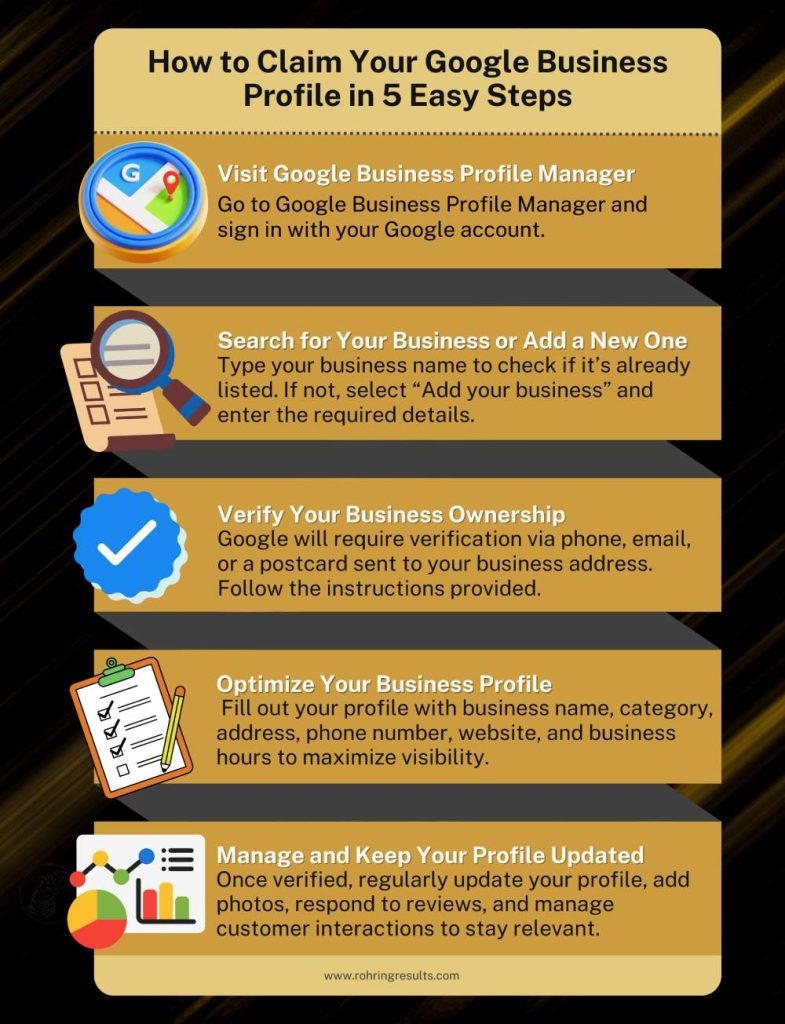
For businesses serving a particular area, local SEO can support visibility in location-based searches. Keep your business name, address, telephone number and opening hours accurate wherever they appear. Maintain a complete Google Business Profile and encourage genuine customer reviews without offering rewards in exchange for them.
Local landing pages should provide useful information about the area and the services offered. Avoid creating large numbers of near-identical pages that differ only by town name; these can be unhelpful to visitors and do not guarantee better visibility.
How to measure SEO performance
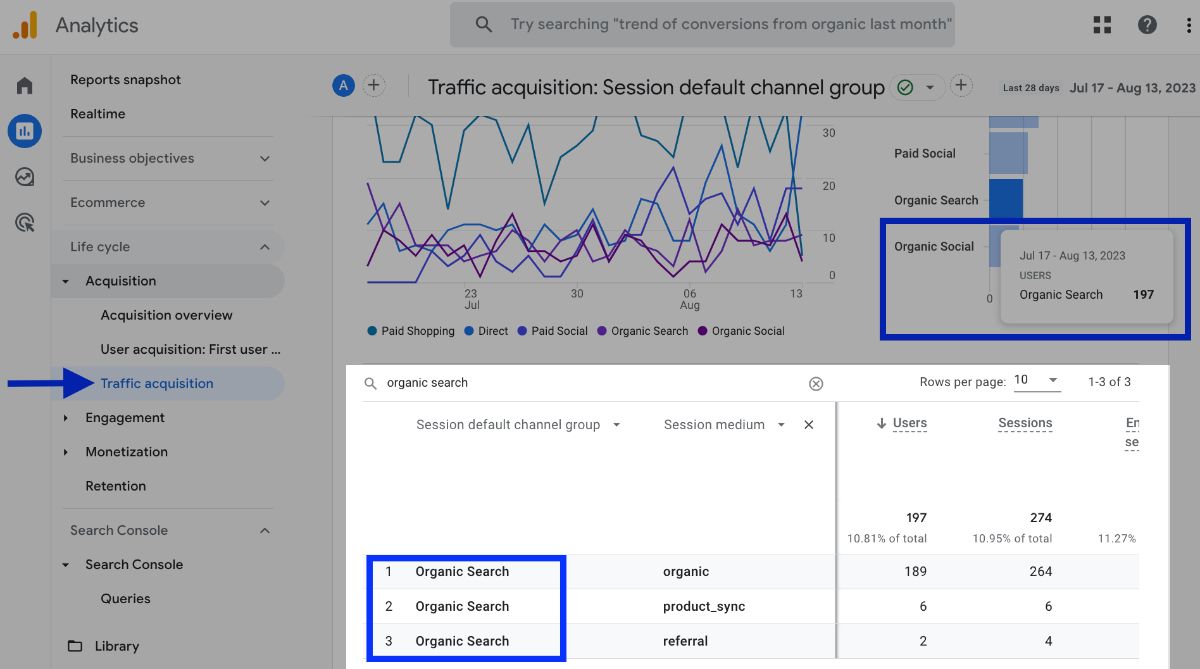
Measure progress using a range of indicators rather than focusing only on rankings. Google Search Console can show which searches bring impressions and clicks, which pages appear in results, and whether Google has reported indexing issues. Analytics tools can help you understand what visitors do after arriving on your site.
- Organic clicks and impressions: show how often your pages appear and attract visits from Google Search.
- Relevant search visibility: helps you assess whether your important pages are appearing for appropriate searches.
- Engagement and conversions: reveal whether organic visitors take valuable actions, such as making an enquiry or completing a purchase.
- Technical health: helps identify crawling, indexing, mobile usability or performance problems.
SEO results can take time, and performance may vary as competitors, search behaviour and Google’s systems change. Compare results over meaningful periods and consider the wider business context, such as seasonality and changes to your website.
Common Google organic SEO misconceptions
- “There is a guaranteed route to the top.” No legitimate provider can guarantee a specific Google ranking.
- “More keywords mean better rankings.” Repetition can make content awkward and does not replace relevance or usefulness.
- “SEO is a one-off task.” Websites, competitors and search results change, so ongoing review is often needed.
- “A high ranking always means business success.” Visibility matters, but the right audience and meaningful outcomes matter too.
- “Every page should target a different keyword.” Pages should have a clear purpose; creating overlapping content can confuse visitors and dilute focus.
Getting started with Google organic SEO
Begin with a clear audit of your website. Identify your most important services or products, check whether Google can access the relevant pages, and review how well those pages answer the needs of your audience. Then prioritise improvements that will make a meaningful difference to users, such as correcting technical problems, strengthening key content and improving navigation.
Google organic SEO is a long-term investment in your website’s usefulness and discoverability. By combining relevant content, reliable technical foundations and a positive visitor experience, businesses can build a stronger presence in unpaid search results and make it easier for the right people to find them.
Google Organic SEO: 25 Frequently Asked Questions Answered
- What does organic mean in SEO?
- How do I rank my website organically on Google?
- How do I get organic listing on Google?
- What is meant by organic SEO?
- What is the difference between organic SEO and local SEO?
- What is organic ranking on Google?
- How do you do organic SEO?
- How do I get Google organic search?
- How do I make organic SEO?
- What is an organic search in SEO?
- What is an organic Google Search?
- Does Google charge for organic search?
- How do I rank organic on Google?
- How do I start organic SEO?
- Is Organic SEO free?
- What is Google organic ranking?
- How to do organic SEO?
- Can you do Google SEO yourself?
- What is Google organic marketing?
- What is an organic SEO?
- How do I rank on Google organically?
- Do Google ads help organic SEO?
- How do I do organic SEO for my website?
- What is organic SEO marketing?
- What is an organic SEO strategy?
What does organic mean in SEO?
In SEO, “organic” refers to unpaid listings in search engine results. These pages appear because Google considers them relevant and useful for a search, rather than because a business has paid for an advert. Organic SEO focuses on improving a website’s content, technical accessibility and overall usefulness to help it earn visibility over time; it cannot guarantee a particular ranking.
How do I rank my website organically on Google?
To improve your website’s organic rankings on Google, create useful, reliable content that meets the needs behind your audience’s searches, and use relevant search terms naturally in page titles, headings and copy. Make sure Google can crawl and index your important pages, your site works well on mobile, and visitors can navigate it easily. Build your site’s credibility by earning relevant links naturally, and use Google Search Console to monitor visibility and spot technical issues. SEO takes time, and no one can guarantee a specific position, so focus on steady improvements and meaningful results rather than quick fixes.
How do I get organic listing on Google?
To get an organic listing on Google, create useful, original content that answers the questions your audience is searching for, and make sure your website is accessible to Google’s crawlers. Use clear page titles, organise content with descriptive headings, link related pages together and ensure your site works well on mobile. You can submit a sitemap and check for indexing issues in Google Search Console, but appearing in search results is not guaranteed and rankings take time to build.
What is meant by organic SEO?
Organic SEO is the process of improving a website so it can appear more prominently in Google’s unpaid search results. It involves creating useful, relevant content, making the site easy for search engines to crawl and understand, and providing a good experience for visitors. Unlike paid advertising, organic SEO does not involve paying for each click, and results typically develop over time rather than being guaranteed.
What is the difference between organic SEO and local SEO?
Organic SEO aims to improve a website’s visibility in unpaid Google results for relevant searches, regardless of where the searcher is located. Local SEO focuses specifically on searches with local intent, such as “plumber near me” or “accountant in Bristol”, helping a business appear in location-based organic results and Google Maps. It often involves optimising a Google Business Profile, keeping business details consistent and building genuine local reviews and mentions. Local SEO is therefore a specialised part of organic search optimisation, rather than a completely separate approach.
What is organic ranking on Google?
Organic ranking on Google refers to the position a webpage appears in the unpaid search results for a particular search. Google determines these positions using factors such as how relevant and useful the page is, the quality of its content and how easily it can be accessed and understood. Unlike adverts, organic rankings are not bought, and no specific position can be guaranteed.
How do you do organic SEO?
Organic SEO starts with understanding what your audience is searching for and creating useful pages that answer those needs. Research relevant keywords, then use them naturally in clear page titles, headings and content. Make sure your website is mobile-friendly, quick to load, easy to navigate and accessible to search engines. Build trust with accurate, helpful information and earn relevant links by publishing content worth sharing. Finally, use tools such as Google Search Console to monitor visibility, clicks and technical issues, and keep improving your pages over time.
How do I get Google organic search?
To appear in Google’s organic search results, make sure your website is accessible to Google and that important pages can be crawled and indexed. Create useful, original content that answers the questions your audience is searching for, use clear page titles and headings, and organise your site with helpful internal links. A mobile-friendly, reliable website also improves the experience for visitors. You can use Google Search Console to check indexing and monitor search performance. Organic visibility takes time, and no one can guarantee a particular ranking, so focus on steady improvements that serve your audience.
How do I make organic SEO?
To improve your organic SEO, start by researching the words and questions your audience uses when searching for your products or services. Create useful, original content that answers those needs, and use relevant search terms naturally in page titles, headings and copy. Make sure your website is mobile-friendly, secure, quick to load and easy for both visitors and Google to navigate. Fix technical issues that prevent important pages from being crawled or indexed, and earn relevant links by publishing content worth sharing. Track impressions, clicks and conversions in tools such as Google Search Console, then refine your approach over time—organic SEO takes consistency and cannot guarantee a particular ranking.
What is an organic search in SEO?
An organic search result is a non-paid listing that Google shows because it considers a webpage relevant to someone’s search. Unlike adverts, organic results are not bought through pay-per-click campaigns; their visibility depends on factors such as relevance, content quality and how accessible and useful a website is. SEO helps improve a website’s chances of appearing in these results.
What is an organic Google Search?
An organic Google Search result is an unpaid listing that Google shows because it considers the page relevant and useful for a search. Unlike adverts, organic results are not bought through a pay-per-click campaign; their visibility depends on factors such as the page’s relevance, quality and accessibility.
Does Google charge for organic search?
No, Google does not charge businesses to appear in organic search results, and there is no fee for clicks on those listings. Organic visibility is earned by making your website useful, relevant and accessible to search engines. However, improving it may involve costs for SEO expertise, content creation, technical work or tools. This is different from Google Ads, where businesses pay for advertising placements and, commonly, clicks.
How do I rank organic on Google?
To rank organically on Google, create helpful, original content that matches what people are searching for, and make sure your website is easy for Google to crawl, index and use on mobile devices. Use clear page titles and headings, organise pages with relevant internal links, and build your site’s reputation by earning genuine links from relevant websites. Track impressions, clicks and indexing issues in Google Search Console, then improve pages based on what you learn. Organic rankings take time and can’t be guaranteed, so focus on consistent improvements rather than quick fixes.
How do I start organic SEO?
To start with organic SEO, first identify the people you want to reach and the searches they are likely to make. Research relevant keywords, then create useful, original pages that answer those needs clearly. Make sure your website works well on mobile, loads reliably, and allows Google to crawl and index its important pages. Set up Google Search Console to monitor visibility and spot issues, then review and improve your content over time. Organic SEO takes patience, and no one can guarantee specific rankings, so focus on steady, user-centred improvements.
Is Organic SEO free?
Organic SEO does not require paying Google for each click, but it is not necessarily free. Improving and maintaining your website takes time and may involve costs for content creation, technical support, SEO tools or professional services. The investment can help build visibility in unpaid search results over time, though results are not guaranteed.
What is Google organic ranking?
Google organic ranking is the position a webpage appears in Google’s unpaid search results for a particular search. Google determines these positions using many signals, including how relevant and helpful a page is, how well it meets the searcher’s needs and whether it can be accessed and understood by Google. Unlike paid adverts, organic rankings are not purchased, and they can change over time.
How to do organic SEO?
To do organic SEO, start by researching the terms your audience uses and the questions they want answered. Create useful, original content that addresses those needs, and use clear page titles, headings and internal links to help people and search engines understand your pages. Make sure your website is mobile-friendly, secure, fast and easy for Google to crawl, then monitor performance with Google Search Console and improve pages over time. Focus on genuine value rather than keyword stuffing or schemes promising guaranteed rankings; organic SEO takes time and results are not guaranteed.
Can you do Google SEO yourself?
Yes, you can do Google SEO yourself, particularly by creating useful content, using clear page titles and headings, improving your website’s navigation and checking its performance in Google Search Console. SEO takes time and ongoing effort, and technical issues or competitive markets can make it more challenging. Start with the basics, follow Google’s guidance and consider professional support if you need specialist expertise or have limited time.
What is Google organic marketing?
Google organic marketing is the practice of attracting visitors from Google’s unpaid search results rather than through adverts. It typically involves search engine optimisation (SEO), creating useful content, improving a website’s technical performance and making pages easier for Google to understand. The aim is to help relevant pages appear for searches made by potential customers and earn sustainable traffic over time; rankings and results cannot be guaranteed.
What is an organic SEO?
Organic SEO is the process of improving a website so it can appear more prominently in unpaid search results, such as Google’s natural listings. It involves creating useful, relevant content, making the site easy for search engines to crawl and understand, and providing a good experience for visitors. Unlike paid advertising, organic SEO does not involve paying for each click; visibility is earned over time and cannot be guaranteed.
How do I rank on Google organically?
To rank on Google organically, create useful, reliable content that matches what your audience is searching for, and make sure Google can crawl and index your website. Use clear page titles and headings, organise pages with helpful internal links, and ensure your site works well on mobile and loads reliably. Build credibility by earning relevant links naturally, then monitor performance with Google Search Console and improve pages over time. Rankings take time and cannot be guaranteed, so focus on helping visitors rather than trying to game the algorithm.
Do Google ads help organic SEO?
Google Ads do not directly improve your organic rankings, and paying for adverts does not give your website a boost in Google’s unpaid search results. However, advertising can complement SEO by helping you reach potential customers, test messaging and learn which search terms attract interest. Any lasting organic gains depend on the quality and relevance of your website and content, not on your advertising spend.
How do I do organic SEO for my website?
To improve your website’s organic SEO, start by researching what your audience is searching for and create useful, accurate pages that answer those needs. Make sure Google can access and index your important pages, use clear page titles and headings, organise your site with helpful internal links, and ensure it works well on mobile. Keep your content up to date, earn relevant links naturally and use Google Search Console to monitor impressions, clicks and indexing issues. SEO takes time, so review your progress regularly and focus on attracting the right visitors rather than chasing rankings alone.
What is organic SEO marketing?
Organic SEO marketing is the practice of improving a website’s visibility in Google’s unpaid search results. It involves creating useful, relevant content, researching the terms people search for, improving the website’s technical performance and earning credible links from other sites. Unlike paid search advertising, organic SEO does not involve paying for each click, and results usually take time; rankings and traffic cannot be guaranteed.
What is an organic SEO strategy?
An organic SEO strategy is a plan to improve a website’s visibility in Google’s unpaid search results. It typically involves researching what your audience is searching for, creating useful and relevant content, improving site structure and technical performance, and earning trustworthy links from other websites. The aim is to attract the right visitors and build sustainable search visibility over time, rather than paying for each click.