
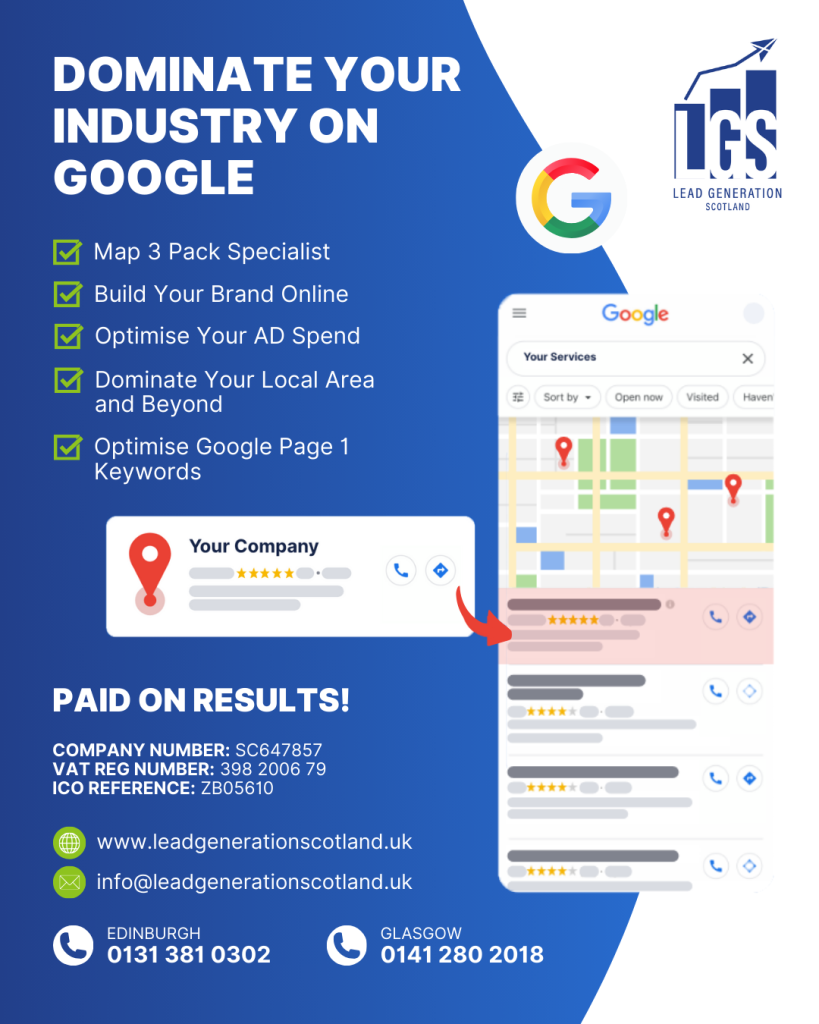
Local SEO on Google: A Practical Guide for UK Businesses
When someone searches for a nearby service, such as “plumber in Bristol” or “coffee shop near me”, Google may show local businesses in Search and on Google Maps. Local SEO on Google is the work of improving your business’s visibility in these local results, so nearby customers can find and choose you.
Local SEO is useful for businesses with a physical location, as well as service-area businesses that travel to customers. It can help people discover your opening hours, services, location and contact details at the moment they are looking for them.
How Google’s local results work
Google’s local results are generally influenced by three factors:
- Relevance: how well your business profile and website match what someone is searching for.
- Distance: how far your business is from the searcher or the location included in their search.
- Prominence: how well-known and established your business appears to be, based on information such as reviews, links and mentions across the web.
These factors help Google decide which businesses to show, but no one can guarantee a particular position. Results can vary depending on the search, the searcher’s location and other context.
Set up and improve your Google Business Profile
Your Google Business Profile is often one of the first things potential customers see. Claim or create your profile, then verify that you are authorised to manage it. Keep the information accurate and complete.
Pay particular attention to:
- Your business name, address and phone number
- Your opening hours, including holiday hours
- The most accurate business category and relevant additional categories
- A clear description of what your business offers
- Your website address and booking or appointment links, where relevant
- Good-quality photographs of your premises, products, team or work
Choose categories that genuinely describe your business. Avoid adding keywords or locations to your business name unless they are part of its real-world name. Inaccurate details and attempts to manipulate a profile can undermine customer trust and may breach Google’s guidelines.
Make your website useful for local customers
Your website should clearly explain what you do, where you operate and how customers can get in touch. Include your address and contact details where appropriate, and make sure they match the details on your Google Business Profile.
For a business serving several towns or areas, create useful location pages only when you can provide genuinely relevant information for each place. Avoid publishing many near-identical pages that simply swap one town name for another. Helpful pages might explain the services available in that area, what customers can expect and how to arrange a visit.
It is also important that your website works well on mobile phones, loads reliably and makes key information easy to find. Many local searches happen on mobile devices, and a confusing or slow website can put potential customers off.
Keep business information consistent
Check that your business name, address and phone number are accurate across your website, business directories and relevant industry listings. Consistency makes it easier for customers to contact you and helps avoid confusion when information about your business appears in multiple places.
Focus on trusted, relevant directories rather than submitting your details indiscriminately to large numbers of low-quality sites. If your address, phone number or opening hours change, update your main profiles and important listings promptly.
Ask for and respond to customer reviews
Reviews can help people decide whether to contact your business. Invite genuine customers to leave honest feedback, using a neutral request that does not pressure them or offer a reward in exchange for a positive review.
Respond politely and professionally to reviews, including critical ones. A thoughtful reply can show that you take customer feedback seriously. Do not share private customer details in a public response, and follow Google’s policies on reviews.
Build local relevance and reputation
Local visibility is supported by a credible presence beyond your own website. Relevant local links and mentions may come from community organisations, local news, business associations, suppliers or events. Focus on genuine relationships and useful contributions rather than schemes that promise quick rankings.
Publishing helpful content can also demonstrate your knowledge. For example, a local accountant might explain common tax questions for small businesses, while a garden centre could share seasonal planting advice suited to the area. Content should answer real customer questions, not just repeat place names.
Measure what is working
Use Google Business Profile performance data, Google Search Console and website analytics to understand how people find and interact with your business. Useful measures include:
- Searches that lead people to your profile or website
- Clicks to your website and calls or other enquiries
- Visits to key service and location pages
- Conversions, such as bookings, purchases or completed enquiry forms
Look at trends over time rather than judging progress from one search or one day. Local results can differ by location and search context, so a single manual check is not a complete measure of performance.
Common local SEO mistakes to avoid
- Using an inaccurate business name, address or phone number
- Creating duplicate or misleading business profiles
- Adding locations or keywords to a business name when they are not part of its real name
- Publishing thin, repetitive location pages
- Buying reviews or offering incentives for positive feedback
- Expecting instant results or guaranteed rankings
A steady approach to local SEO on Google
Effective local SEO is built on accurate information, a helpful website, a well-maintained Google Business Profile and a strong reputation with customers. Start with the basics, make improvements regularly and use performance data to guide your next steps. Over time, this can make it easier for local customers to find your business and understand why it may be right for them.
7 Essential Tips for Optimising Your Local SEO on Google
- Claim and verify your Google Business Profile.
- Keep your business name, address and phone number consistent.
- Choose the most accurate primary business category.
- Add your opening hours and update them for holidays.
- Ask customers for honest Google reviews and reply to them.
- Create useful pages for the areas you serve.
- Add clear photos and keep your profile up to date.
Claim and verify your Google Business Profile.
Claiming and verifying your Google Business Profile is an important first step in local SEO on Google. It gives you control over how your business appears in Google Search and Maps, so you can keep details such as your address, phone number, opening hours and services accurate. Complete the profile carefully and update it whenever information changes, helping local customers find and contact your business with confidence.
Keep your business name, address and phone number consistent.
Keep your business name, address and phone number consistent across your website, Google Business Profile and reputable online directories. Accurate, matching details help customers contact or visit you without confusion and make it easier for Google to recognise your business information. Update all key listings promptly whenever your details change.
Choose the most accurate primary business category.
Choose the most accurate primary business category for your Google Business Profile, as it helps Google understand what your business does and when it may be relevant to local searches. Pick the category that best describes your main service or offering, rather than one that is merely related or broader. You can add relevant secondary categories for other services, but keep them accurate and avoid adding categories simply to target more keywords.
Add your opening hours and update them for holidays.
Keep your opening hours accurate on your Google Business Profile so customers know when they can visit or get in touch. Remember to update them for bank holidays, seasonal changes and other special occasions, and add special hours in advance where possible. This helps prevent wasted journeys, builds trust and gives people a clearer picture of when your business is available.
Ask customers for honest Google reviews and reply to them.
Ask your customers to leave an honest Google review after using your service or buying from you. Make the request polite and straightforward, and never offer rewards in exchange for a positive review. Respond to feedback professionally, thanking customers for positive comments and addressing concerns calmly. Thoughtful replies show that you value customer feedback and help prospective customers feel more confident choosing your business.
Create useful pages for the areas you serve.
Create useful pages for the areas you serve by explaining the services you offer there and including details that genuinely help local customers, such as areas covered, how to arrange a visit, or examples of relevant work. Give each page distinct, valuable information rather than creating near-identical pages that only swap in a different town name. This helps visitors understand whether you can meet their needs and gives Google clearer context about your local services.
Add clear photos and keep your profile up to date.
Add clear, high-quality photos of your premises, products, team or recent work to help customers understand what your business offers and feel confident choosing you. Keep your Google Business Profile up to date by checking your opening hours, contact details, services and other key information regularly, especially around holidays or whenever something changes.

