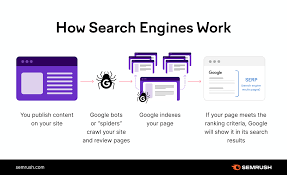
Digital Marketers: Connecting Businesses with the Right Audience
Digital marketers help businesses reach, engage and retain customers through online channels. They combine creativity, communication and data analysis to build campaigns that support a company’s goals, whether that means increasing brand awareness, attracting website visitors or generating sales.
What do digital marketers do?
The role can cover a wide range of activities. Depending on the business and the size of the team, a digital marketer may plan campaigns, create content, manage advertising or analyse performance. Common areas of work include:
- Search engine optimisation (SEO): Improving a website’s visibility in organic search results.
- Content marketing: Creating useful articles, videos, guides and other materials for a target audience.
- Social media marketing: Managing social channels and developing content that encourages interaction.
- Paid advertising: Planning and managing campaigns across search engines, social platforms and other digital channels.
- Email marketing: Sending relevant updates and offers to subscribers, while respecting privacy and consent requirements.
- Analytics and reporting: Measuring results to understand what is working and where campaigns can improve.
Why are digital marketers important?
People often research products and services online before making a decision. A well-planned digital marketing strategy can help a business appear at the right moment, communicate its value clearly and make it easier for potential customers to take the next step.
Digital channels also provide ways to assess campaign performance. Marketers can examine measures such as website visits, enquiries, sales and audience engagement. These insights help businesses make informed decisions and refine their approach over time.
Skills that support effective digital marketing
Digital marketing brings together several disciplines, so successful practitioners need a mix of skills. Clear writing and strong communication help them explain ideas and create relevant content. Analytical thinking helps them interpret performance data, while creativity supports fresh approaches to reaching an audience.
Other useful qualities include organisation, curiosity and adaptability. Digital platforms and customer expectations change, so marketers need to keep learning. They also benefit from understanding the basics of user experience, accessibility, privacy and responsible data use.
How digital marketers build a strategy
Effective marketing starts with a clear understanding of the business and its customers. Marketers identify the audience, define specific objectives and choose channels suited to the task. They then develop messaging and content, plan activity and decide how results will be measured.
Once a campaign is under way, performance data can reveal which messages and channels are attracting attention or prompting action. Marketers use these findings to make considered adjustments. This process of planning, testing and learning helps keep activity aligned with business priorities.
Choosing the right digital marketing support
Businesses may employ an in-house marketer, work with an agency or combine both approaches. The right option depends on the organisation’s goals, budget and available expertise. When assessing potential support, look for clear communication, realistic recommendations and reporting that explains both results and next steps.
Digital marketers do more than publish posts or run adverts. They connect business objectives with audience needs, using a range of online tools to create useful and measurable activity. With a thoughtful strategy and a willingness to learn, digital marketing can help organisations build stronger relationships with customers and grow their online presence.
9 Essential FAQs About Digital Marketers: Roles, Skills, and Impact
- What does a digital marketer do?
- What skills do digital marketers need?
- How do you become a digital marketer?
- Do digital marketers need a degree?
- How much do digital marketers earn in the UK?
- What is the difference between digital marketing and traditional marketing?
- Which tools do digital marketers use?
- How do digital marketers measure the success of a campaign?
- Can a digital marketer help a small business grow?
What does a digital marketer do?
A digital marketer helps businesses reach and engage customers online. Their work may include planning campaigns, creating content, managing social media, improving a website’s visibility in search results, running paid adverts and sending email updates. They also analyse campaign performance to understand what is working and recommend ways to improve results. The exact responsibilities vary depending on the business, its goals and the marketer’s specialism.
What skills do digital marketers need?
Digital marketers need a blend of creative, analytical and communication skills. Clear writing helps them create engaging content, while data analysis enables them to measure results and improve campaigns. They also benefit from knowledge of SEO, social media, email marketing and online advertising, alongside project management and problem-solving abilities. As digital platforms and customer expectations change, curiosity, adaptability and a commitment to ongoing learning are essential.
How do you become a digital marketer?
To become a digital marketer, start by learning the fundamentals of SEO, content marketing, social media, email campaigns, paid advertising and analytics. You can build these skills through courses, industry resources or a relevant qualification, but practical experience is just as valuable: create your own project, volunteer to help a business or apply for an entry-level role. Get familiar with common marketing tools, practise interpreting campaign results and put examples of your work into a portfolio. Digital marketing changes quickly, so staying curious and continuing to learn will help you develop your skills and progress in the field.
Do digital marketers need a degree?
Digital marketers do not necessarily need a degree, as employers often value practical skills, relevant experience and a strong portfolio. Courses or qualifications in marketing, communications, business or data analysis can be useful, but there are also many ways to learn through online training, work experience and personal projects. The most important thing is to understand digital channels, communicate clearly and keep up with changes in the industry.
How much do digital marketers earn in the UK?
Digital marketers’ earnings in the UK vary according to experience, location, specialism and the size of the employer. Entry-level roles often pay around £22,000–£28,000 a year, while experienced digital marketers may earn approximately £30,000–£45,000. Senior specialists, managers and heads of digital marketing can earn £50,000 or more, particularly in London or in high-demand areas such as paid search, analytics and marketing technology. Salaries change over time, so it’s worth checking current job listings and salary surveys for the most up-to-date figures.
What is the difference between digital marketing and traditional marketing?
Digital marketing promotes products and services through online channels such as search engines, websites, social media and email, while traditional marketing uses offline media such as television, radio, print and outdoor advertising. Digital campaigns can often be targeted to specific audiences and adjusted using real-time performance data; traditional campaigns may offer broader reach and a physical presence, but can be harder to measure precisely. Many businesses combine both approaches to reach customers across different channels.
Which tools do digital marketers use?
Digital marketers use a range of tools to plan campaigns, create content and measure results. These may include analytics platforms such as Google Analytics, SEO tools for researching keywords and monitoring search performance, social media scheduling and management platforms, email marketing software, and advertising tools such as Google Ads and Meta Ads Manager. They may also use content management systems, design tools and customer relationship management (CRM) software. The tools chosen depend on the marketer’s goals, channels and budget.
How do digital marketers measure the success of a campaign?
Digital marketers measure a campaign’s success against its objectives, using relevant key performance indicators (KPIs). These might include website visits, engagement, leads, sales, conversion rates or return on advertising spend. They use analytics tools and campaign reports to track these results, compare them with targets and assess which channels or messages performed best. The most useful measures depend on the campaign’s purpose, so success is judged by meaningful outcomes rather than simply reach or clicks.
Can a digital marketer help a small business grow?
Yes, a digital marketer can help a small business grow by improving its online visibility, reaching the right customers and encouraging more enquiries or sales. They can recommend practical strategies suited to the business’s goals and budget, such as local SEO, social media, email campaigns or targeted advertising. By tracking results and refining activity over time, a digital marketer can help a small business make better use of its marketing budget and build lasting customer relationships.