Best Local Search Engine Optimisation: A Practical Guide for UK Businesses
Local search engine optimisation (local SEO) helps businesses appear in search results when people look for nearby services or products. For a plumber in Leeds, a café in Bristol or a solicitor serving customers across Manchester, a strong local presence can make it easier for potential customers to find and contact the business.
The best local SEO is not a single trick or quick fix. It combines accurate business information, useful website content, customer reviews and a trustworthy online presence. Here are the essential steps for building an effective local SEO strategy in the UK.
Set up and improve your Google Business Profile
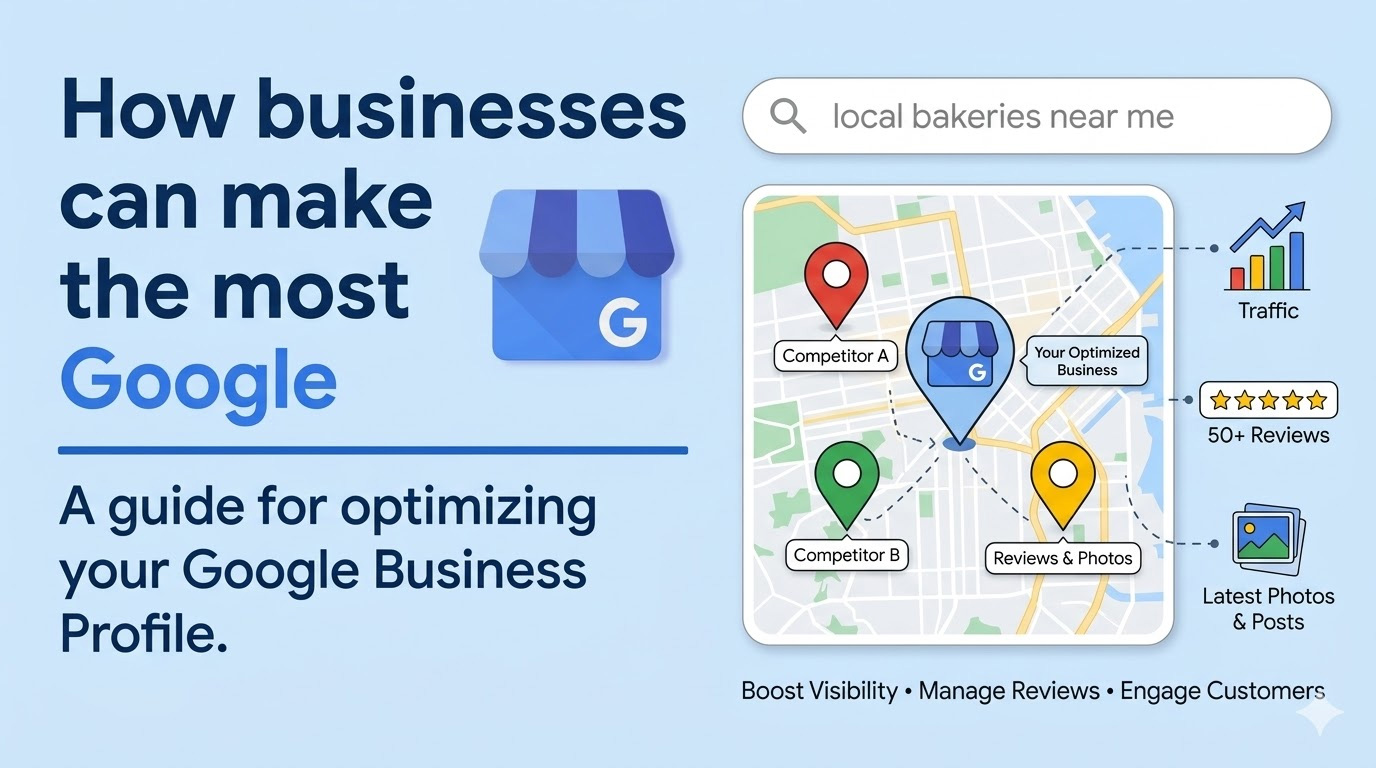
A Google Business Profile can help your business appear in Google Maps and local search results. Claim or create your profile, then complete it with accurate, up-to-date information, including:
- Your business name, address and phone number
- Opening hours, including holiday hours
- The areas you serve, if applicable
- Relevant business categories and services
- A clear description of what your business offers
- Good-quality photographs of your premises, team or work
Choose the most accurate primary category and add relevant secondary categories where appropriate. Keep your details current and respond to customer questions and reviews. Avoid adding keywords to your business name unless they are genuinely part of its real-world name, as this can breach platform guidelines.
Businesses that serve customers at their locations can show a public address. Service-area businesses that visit customers should follow Google’s guidelines on displaying or hiding their address.
Make your website locally relevant
Your website should make it clear what you do, where you do it and how customers can get in touch. Include your address and contact details where appropriate, along with useful information about your products or services.
If you serve several towns or cities, create a dedicated page for each important location only when you can provide genuinely useful, distinct information for that area. Avoid producing large numbers of near-identical pages that simply swap one place name for another. Helpful location pages might include local service details, examples of relevant work, directions, testimonials or answers to area-specific questions.
Keep your business details consistent
Search engines and customers rely on accurate business information. Check that your business name, address and phone number are consistent across your website, Google Business Profile, social media and reputable directories.
Small differences, such as an old phone number or a previous address, can cause confusion. Make a list of the websites where your business is mentioned and update them when your details change. Consistency matters, but quality matters too: focus on relevant, trustworthy platforms rather than submitting your details to every directory you can find.
Earn and manage customer reviews
Reviews can help potential customers decide whether to contact you and provide useful feedback about your service. Ask customers for honest reviews at an appropriate point in their journey, using a simple link or follow-up message. Never offer incentives in exchange for positive reviews or write reviews on customers’ behalf.
Respond politely to both positive and negative feedback. A thoughtful response shows that you take customer experience seriously. If a review raises a genuine problem, acknowledge it and, where appropriate, offer to discuss the matter privately.
Create useful content for local customers
Good local content answers the questions people ask before choosing a business. Depending on your industry, this might include pricing guidance, service explanations, maintenance advice, local regulations or information about how appointments work.
Use natural language and mention locations where they are genuinely relevant. There is no need to repeat a town name unnaturally throughout a page. Focus on giving readers clear, original information that helps them make a decision.
Build local links and relationships
Links from relevant, reputable websites can help people discover your business and may support your website’s authority. Consider legitimate opportunities such as local business associations, community organisations, suppliers, professional bodies, local events or news coverage.
Prioritise genuine relationships and useful contributions. Buying links or taking part in schemes designed solely to manipulate rankings can put your website at risk.
Improve mobile experience and technical performance
Many people search for local services on their phones, often when they are ready to call, visit or request a quote. Make sure your website works well on mobile devices, loads efficiently and has easy-to-find contact details.
Check that important pages can be found by search engines, links work correctly and each page has a clear title and heading. Use secure HTTPS and make forms straightforward to complete. A fast, accessible website is better for visitors as well as easier to use.
Use local business structured data where appropriate
Structured data is code that helps search engines interpret information on your website. Local business structured data can describe details such as your business name, address, phone number and opening hours. The information in the code should match what visitors can see on the page.
Structured data does not guarantee special search result features or higher rankings, but it can help search engines understand your business. Validate your implementation and keep it accurate when details change.
Measure results and refine your approach
Track meaningful outcomes rather than rankings alone. Useful measures include:
- Calls, enquiries, bookings or purchases from local visitors
- Visits to key service and location pages
- Google Business Profile interactions, such as calls or direction requests
- Search impressions and clicks for relevant local terms
- Review volume, quality and customer feedback
Use tools such as Google Search Console and website analytics to understand how people find and use your site. Review the data regularly and adjust your pages, profile or customer journey where there is a clear opportunity to improve.
What does the best local SEO strategy look like?
The best local search engine optimisation strategy is accurate, customer-focused and consistent. It gives searchers reliable business information, answers their questions and makes it easy to take the next step. It also follows search platform guidelines and builds visibility through genuine service quality, useful content and local relationships.
Local SEO takes time, and results vary by location, competition and industry. Start with the basics: complete your business profile, make your website useful, keep your details consistent and earn customer trust. Then measure what is working and improve steadily.
Maximise Local Reach: 7 Benefits of Effective Local Search Engine Optimisation
- Boosts visibility in local search results
- Attracts nearby, high-intent customers
- Drives more calls, visits and enquiries
- Builds trust through reviews and accurate details
- Helps customers find services on mobile
- Strengthens your presence on Google Maps
- Supports sustainable, long-term business growth
Challenges of Local SEO: Patience, Budget, and Maintenance Required
- Results can take time to appear.
- Competitive areas may require a larger budget.
- Business details need regular updates.
- Reviews require ongoing attention.
- Rankings can vary between locations.
Boosts visibility in local search results
One of the key benefits of effective local search engine optimisation is greater visibility in local search results. By improving your website and business listings for relevant local searches, your business is more likely to appear when nearby customers are looking for the products or services you offer. This helps you reach people at the moment they’re ready to take action, whether that means calling, visiting or making an enquiry.
Attracts nearby, high-intent customers
Attracts nearby, high-intent customers
One of the biggest benefits of effective local SEO is reaching people who are nearby and ready to take action. When someone searches for a service “near me” or in a particular town, they are often looking to call, book or visit soon. Appearing prominently in relevant local search results helps your business connect with these high-intent customers at the moment they need you, bringing more qualified enquiries and potential sales.
Drives more calls, visits and enquiries
One of the biggest benefits of effective local search engine optimisation is that it can turn online visibility into real customer action. When your business appears in relevant local searches, nearby customers can quickly find your phone number, request directions, visit your premises or submit an enquiry. By making your services and contact details easy to discover, local SEO helps connect your business with people who are already looking for what you offer.
Builds trust through reviews and accurate details
A strong local SEO strategy builds trust by making sure customers can find accurate, consistent details about your business, including your address, opening hours and contact information. It also helps showcase genuine customer reviews, giving potential customers a better idea of what to expect. Keeping your information up to date and responding thoughtfully to feedback can reassure people that your business is reliable and values its customers.
Helps customers find services on mobile
One of the key benefits of effective local search engine optimisation is that it helps customers find nearby services on their mobile phones. When someone searches for a local business while on the move, accurate listings and helpful local pages can make it easier to find your location, check opening hours, call you or get directions. This creates a smoother path from search to enquiry or visit.
Strengthens your presence on Google Maps
One of the key benefits of effective local search engine optimisation is a stronger presence on Google Maps. By keeping your Google Business Profile accurate and complete, and maintaining consistent business details across the web, you can make it easier for nearby customers to discover your business, check your opening hours and get directions. A well-managed profile can also help build trust through customer reviews, photos and timely responses.
Supports sustainable, long-term business growth
One of the key benefits of effective local search engine optimisation is its ability to support sustainable, long-term business growth. By helping your business appear in relevant local searches, it can attract potential customers who are actively looking for the products or services you offer. Over time, a strong website, accurate business information and positive customer reviews can build trust and bring in a steady flow of enquiries. Unlike short-term promotions, these improvements can continue delivering value, helping your business strengthen its local reputation and grow at a manageable pace.
Results can take time to appear.
One drawback of local search engine optimisation is that results can take time to appear. Improving your website, building local authority and earning customer reviews are gradual processes, so businesses may not see a noticeable increase in visibility or enquiries straight away. Consistent effort is usually needed before the benefits begin to build.
Competitive areas may require a larger budget.
In highly competitive areas, achieving strong local search visibility can take more time and investment. Businesses may need to spend more on expert support, quality content, website improvements and reputation-building to stand out from established competitors. This means the best local SEO strategy may require a larger budget, particularly in busy cities or sectors where many businesses are targeting the same customers.
Business details need regular updates.
One drawback of local SEO is that business details need regular attention. Opening hours, contact numbers, addresses and service areas can change, and outdated information across your website, Google Business Profile and online directories may confuse customers or lead them to the wrong place. Keeping everything accurate takes ongoing time and organisation, particularly for businesses with several locations.
Reviews require ongoing attention.
Customer reviews can strengthen trust and influence local visibility, but managing them requires ongoing attention. Businesses need to encourage genuine feedback, monitor new reviews across relevant platforms and respond promptly and professionally to both praise and complaints. Neglecting this work can leave customers feeling ignored, while handling negative feedback poorly may harm the business’s reputation.
Rankings can vary between locations.
One drawback of local SEO is that rankings can vary from one location to another. A business may appear prominently in search results near its premises but rank lower in neighbouring towns, where competition and local relevance differ. This means a strong result in one area does not guarantee visibility everywhere you serve, so performance should be assessed across your key locations rather than from a single search or postcode.