SEO Optimisation in the UK: A Practical Guide for Businesses
SEO optimisation in the UK helps businesses improve their visibility in search results and attract people looking for their products or services. It combines technical improvements, useful content and a strong understanding of what UK customers search for. Done well, SEO can support sustainable growth by bringing relevant visitors to your website over time.
What is SEO optimisation?
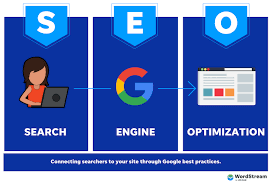
Search engine optimisation (SEO) is the process of making a website easier for search engines to discover, understand and present to users. It also involves improving the pages themselves so visitors can find the information they need and take the next step.
SEO is not a one-off task or a guaranteed route to a particular ranking. Search results change, competitors update their websites and search engines continually refine how they assess content. Effective SEO therefore requires ongoing research, implementation and measurement.
Start with UK search intent
Keyword research helps reveal the words and phrases people use when searching. For a UK audience, consider regional terminology, spelling and buying habits. For example, British businesses will generally use “optimisation” rather than “optimization”, and a search for a service may include a town, city or county.
Look beyond search volume. A phrase with fewer searches may be more valuable if it shows clear intent to make an enquiry or purchase. Group related searches by purpose, such as researching a topic, comparing providers or finding a local service, then create pages that answer those needs.
Create helpful, trustworthy content
Strong content should address real questions and provide clear, accurate information. Explain your products or services in plain English, include relevant detail and make it easy for readers to understand what to do next. Avoid repeating keywords unnaturally or publishing pages that offer little value.
For UK businesses, useful content might include service pages, buying guides, frequently asked questions, case studies and location pages. Location pages should provide genuinely relevant information for each area, rather than simply swapping place names across near-identical pages.
Build a sound technical foundation
Technical SEO helps search engines access and interpret your website. Important checks include:
- Making sure important pages can be crawled and indexed.
- Using clear page titles, headings and descriptive URLs.
- Ensuring the website works well on mobile devices.
- Improving page speed and overall user experience.
- Fixing broken links and redirecting outdated pages appropriately.
- Using structured data where it accurately describes the page.
- Providing an XML sitemap and keeping it up to date.
Technical changes should be tested carefully, particularly during website redesigns or platform migrations. A poorly managed migration can make valuable pages harder to find or cause rankings and traffic to fall.
Make local SEO part of the plan
Local SEO is especially important for businesses serving customers in particular places. Keep your business name, address and phone number consistent across your website and relevant directories. Claim and maintain your Google Business Profile, choose accurate categories and add useful details such as opening hours and services.
Encourage genuine customer reviews and respond to them professionally. Reviews can help prospective customers make decisions, while accurate local information makes it easier for people to contact or visit your business.
Earn authority through useful links
Links from reputable websites can help search engines discover pages and understand their context. Focus on earning relevant links through worthwhile resources, original research, partnerships, local involvement and genuinely newsworthy work.
Avoid buying links or using schemes designed to manipulate rankings. These tactics can put a website at risk and rarely provide a reliable foundation for long-term growth.
Measure what matters
Rankings are only one part of SEO performance. Use tools such as Google Search Console and analytics platforms to monitor organic impressions, clicks, relevant visits, enquiries and sales. Compare results over time and consider whether the traffic is reaching the right pages and contributing to business goals.
SEO outcomes often take time, and the timetable varies depending on a website’s history, competition and the work involved. Regular reporting helps identify what is improving, where visitors are encountering problems and which actions should come next.
Choosing an SEO approach in the UK
Whether you manage SEO in-house or work with an agency, look for a clear strategy, realistic expectations and transparent reporting. A good provider should explain what they plan to do, why it matters and how progress will be assessed. Be cautious of guaranteed rankings or claims of instant results.
Conclusion
Effective SEO optimisation in the UK begins with understanding your audience and building a website that serves them well. By combining relevant content, solid technical foundations, local visibility and careful measurement, businesses can improve their chances of being found by the people who matter. Consistent, user-focused work is more sustainable than shortcuts or quick fixes.
5 Essential SEO Tips for UK Businesses
- Use UK English spelling and keywords your audience searches for.
- Create location pages for the UK towns and cities you serve.
- Optimise your Google Business Profile with accurate details.
- Earn links from reputable UK websites and directories.
- Check mobile speed and page experience regularly.
Use UK English spelling and keywords your audience searches for.
Use UK English spelling throughout your website, including terms such as “optimisation”, “organisation” and “centre”, to make your content feel natural to British readers. Research the phrases your audience actually searches for, including regional terms and location-based queries such as “SEO agency in Manchester” or “SEO services UK”. Using relevant keywords naturally in headings, page titles and content can help search engines understand your pages while making them more useful to potential customers.
Create location pages for the UK towns and cities you serve.
Create dedicated location pages for the UK towns and cities you serve to help nearby customers find relevant information in local search results. Each page should offer genuinely useful details about your services in that area, such as coverage, local examples, customer reviews or practical contact information. Avoid simply copying the same text and changing the place name: distinctive, accurate content makes each page more valuable to visitors and less repetitive.
Optimise your Google Business Profile with accurate details.
Optimise your Google Business Profile by keeping your business name, address, phone number, website, opening hours and service details accurate and up to date. Choose the most relevant business categories and add clear, current photos to help potential customers understand what you offer. Consistent information makes it easier for people in the UK to find and contact your business, and supports your local SEO efforts.
Earn links from reputable UK websites and directories.
Earn links from reputable UK websites and directories to help people discover your business and strengthen your online presence. Focus on relevant sources, such as trusted industry associations, local business groups, established publications and quality UK directories. Keep your business details accurate and consistent, and prioritise links that are genuinely useful to visitors rather than chasing large numbers. Avoid paid or manipulative link schemes, which can undermine trust and put your website at risk.
Check mobile speed and page experience regularly.
Check your website’s mobile speed and page experience regularly, as many UK customers browse and shop on their phones. Test key pages on different devices and connections, and look for issues such as slow loading, intrusive pop-ups, layout shifts or buttons that are difficult to tap. Use the results to prioritise practical improvements, then retest to make sure the changes have helped. A faster, easier-to-use mobile experience can support both visitor satisfaction and your wider SEO efforts.