
What Does “SEO Optimised” Mean?
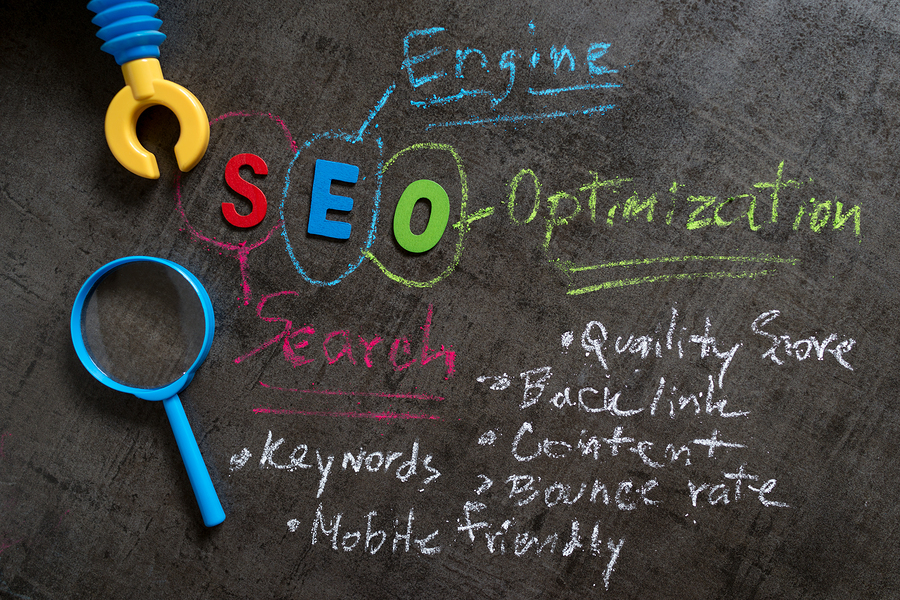
When a page or website is described as SEO optimised, it has been created or improved to make it easier for search engines to understand and for people to find useful information. SEO stands for search engine optimisation. It involves a combination of content, technical improvements and website promotion—not simply adding keywords to a page.
Effective optimisation helps search engines match a page with relevant searches. More importantly, it helps visitors find clear, trustworthy answers and enjoy a good experience once they arrive.
What makes a page SEO optimised?
There is no single change that makes a page fully optimised. Strong SEO usually brings together several elements:
- Useful content: The page answers the reader’s questions accurately, clearly and in enough detail.
- Relevant search terms: The language reflects the words and phrases people use when looking for the subject.
- Clear structure: Descriptive headings and short paragraphs make the content easier to scan.
- Helpful page titles and descriptions: These explain what a page is about and can encourage people to choose it in search results.
- Good technical foundations: Pages should be accessible to search engines, work well on mobile devices and load reliably.
- Useful links: Internal links help visitors discover related pages, while relevant external references can provide additional context.
Start with the reader’s needs
Before writing, consider who the page is for and what they want to achieve. Someone searching for a definition may need a concise explanation, while a person comparing services may need a detailed guide to options, costs and practical considerations.
Search results can offer clues about the type of information people expect, but they should not dictate every decision. The aim is to create the most useful page for the intended audience—not to imitate competitors or write solely for an algorithm.
Use keywords naturally
Keywords can help describe a page’s subject, but repeating the same phrase unnaturally can make content difficult to read. Include the main topic where it fits, such as in the page title, introduction or a relevant heading. Use related terms when they help explain the subject, rather than inserting them just to increase keyword frequency.
There is no ideal keyword density that guarantees higher rankings. Clarity, relevance and usefulness matter more than repeating a phrase a set number of times.
Make content easy to read and navigate
A well-organised page helps readers find what they need. Use one clear main heading, followed by logical subheadings. Keep paragraphs focused, explain specialist terms and use lists where they make complex information easier to follow.
Descriptive link text is also helpful. Instead of using vague wording such as “click here”, explain what the reader will find when they follow the link.
Don’t overlook technical SEO
Even excellent content can be difficult to discover if a website has technical problems. Check that important pages can be crawled and indexed, that links work, and that the site is secure. Test pages on mobile devices and look for issues that affect loading speed or usability.
Technical SEO can involve more advanced tasks, including managing duplicate pages, structured data and site maps. For complex websites, these areas may need support from a developer or SEO specialist.
Measure performance and keep improving
SEO is ongoing. Search behaviour, competitors and search engine results change over time, so monitor how important pages perform. Useful measures may include organic visits, search visibility, enquiries, sales and whether visitors complete the actions the page is designed to support.
Use performance data to identify opportunities, not as a reason to change content without a clear purpose. Update a page when information is out of date, when readers need more help or when evidence shows that the page is not meeting its goals.
A practical SEO optimisation checklist
- Identify the audience and the purpose of the page.
- Research the questions and search terms relevant to the topic.
- Write original, accurate content that meets the reader’s needs.
- Use a clear page title, headings and descriptive links.
- Check spelling, grammar, accessibility and mobile usability.
- Make sure the page loads reliably and can be found by search engines.
- Review performance and update the page when it needs improvement.
In summary
Creating an SEO-optimised page means making it relevant, accessible and genuinely helpful. The strongest results come from balancing search visibility with a positive experience for real people. Focus on clear information, sound website foundations and continual improvement, and optimisation becomes part of a sustainable content strategy—not a shortcut or a one-off task.
8 Essential Tips for an SEO-Optimised Website
- Research keywords your audience actually uses.
- Write clear, descriptive page titles.
- Create unique, useful meta descriptions.
- Use headings to organise your content.
- Add descriptive alt text to images.
- Make pages fast and mobile-friendly.
- Link related pages together.
- Earn quality links from trusted websites.
Research keywords your audience actually uses.
Research the keywords your audience actually uses by listening to the words and phrases they use when searching for information, products or services like yours. Consider their questions, check search suggestions and review relevant search data to understand their needs and intent. Use these insights naturally in your content, headings and page titles, rather than forcing in keywords that feel unnatural. This helps make your pages more relevant to readers and easier for search engines to understand.
Write clear, descriptive page titles.
Write clear, descriptive page titles that accurately tell people what each page is about. Include the main topic naturally and keep the wording concise, so it is easy to understand in search results and browser tabs. A specific, relevant title helps visitors decide whether your page matches what they are looking for, while avoiding vague wording and unnecessary keyword repetition makes it more useful and appealing.
Create unique, useful meta descriptions.
Create a unique, useful meta description for every important page on your website. Briefly summarise what the page offers and explain why it may be relevant to someone searching for that topic. Keep the wording accurate, clear and natural, and include the main search phrase only where it fits. A well-written description can help people decide to visit your page from search results, although search engines may choose to display different text.
Use headings to organise your content.
Use clear, descriptive headings to organise your content and guide readers through the page. A logical heading structure makes information easier to scan, helps visitors find the answers they need and gives search engines useful context about each section. Keep headings relevant to the content beneath them, and use them in a sensible order, with one main heading followed by appropriate subheadings.
Add descriptive alt text to images.
Add descriptive alt text to images to explain their content and purpose to people using screen readers, and to help search engines understand how each image relates to the page. Keep the wording concise and accurate, including relevant details where they add context. Avoid stuffing alt text with keywords, and leave it blank for purely decorative images so assistive technology can skip them.
Make pages fast and mobile-friendly.
Make your pages fast and mobile-friendly so visitors can find what they need without delays, whether they’re browsing on a phone, tablet or computer. Compress images, minimise unnecessary scripts and use a responsive design that adapts to different screen sizes. A smooth, easy-to-use experience can reduce frustration, encourage visitors to stay longer and support your SEO efforts.
Link related pages together.
Link related pages together with clear, descriptive internal links to help visitors find useful information and move naturally around your website. These links also help search engines understand how your pages connect and which topics your site covers. Choose link text that explains what the destination page is about, rather than using vague phrases such as “click here”, and only link where it genuinely helps the reader.
Earn quality links from trusted websites.
Earn quality links from trusted websites by creating genuinely useful content that other businesses, publishers and organisations will want to reference. These links can help search engines understand your site’s credibility and relevance, while also introducing your work to new audiences. Focus on building genuine relationships and contributing valuable expertise; avoid buying links or using schemes to gain them, as these can damage your website’s reputation and search performance.


