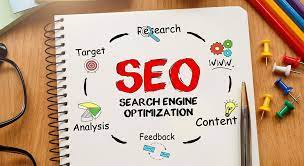
Website Search Engine Optimisation: A Practical Guide
Website search engine optimisation (SEO) is the process of improving a website so that search engines can understand its content and people can find it more easily. A well-planned SEO strategy can help attract relevant visitors, answer their questions and support your business goals.
SEO is not a quick fix or a guarantee of top rankings. Search results change over time, and effective optimisation involves ongoing work across your website’s content, technical set-up and reputation.
How search engine optimisation works
Search engines discover pages by crawling links, add information about those pages to an index, and then select and order results in response to a search. Their systems consider many signals, including how relevant a page is to the query, whether it is accessible and useful, and how clearly its subject is presented.
The aim is not simply to attract more clicks. It is to make it easier for the right people to find helpful, trustworthy information on your site.
Start with your audience and keywords
Before changing your website, think about the people you want to reach. What are they looking for? Which questions do they ask before making a decision? What terms might they use when searching?
Keyword research can help you understand this language. Look for relevant search terms and consider the intent behind them. Someone searching for “how to choose a boiler” may want advice, while someone searching for “boiler repair near me” is more likely to need a local service.
Use these insights to plan useful pages. Avoid creating several pages that all target nearly identical searches; this can make it harder for visitors and search engines to identify the best page for a topic.
Create useful, clear content
Good content gives visitors a clear answer or helps them complete a task. It should be accurate, easy to read and written for people rather than created simply to repeat keywords.
- Give each page a clear purpose and focus.
- Use descriptive page titles and headings.
- Organise information into short paragraphs and logical sections.
- Include relevant details, examples or practical steps.
- Update pages when information becomes outdated.
Page titles and meta descriptions can help people understand what a page is about in search results. Write them accurately and make each one distinct. Search engines may choose to display different text, so avoid treating these elements as a guarantee of how a result will appear.
Make your website easy to use
A useful website should be straightforward to navigate on both desktop and mobile devices. Clear menus, readable text and well-labelled links help visitors find what they need. They also help search engines understand how your pages relate to one another.
Use descriptive links rather than vague phrases such as “click here”. Add meaningful alternative text to images when they convey information, and ensure that important content is available as text rather than only within images or video.
Look after the technical foundations
Technical SEO helps search engines access and interpret your website. It also helps ensure that visitors can use it reliably. Important checks include:
- Mobile usability: Make sure pages work well on smaller screens.
- Page performance: Reduce unnecessary code and compress large images where appropriate.
- Security: Use HTTPS to protect connections to your website.
- Crawlability: Check that important pages are not accidentally blocked from search engines.
- Indexing: Review whether the pages you want to appear in search results can be indexed.
- Broken links: Fix links that lead to missing or moved pages.
For larger websites, structured data may help search engines interpret specific information, such as product details or business information. It must be accurate and follow the relevant guidelines; adding it does not guarantee enhanced search results.
Build a clear internal link structure
Internal links connect one page of your website to another. They help visitors discover related information and give search engines clues about the structure and importance of your pages.
Link naturally to useful pages using descriptive wording. A well-organised site structure can also help people reach key information in fewer steps.
Measure progress and keep improving
SEO should be reviewed regularly. Tools such as Google Search Console can provide information about search visibility, clicks and indexing issues. Analytics tools can help you understand what visitors do after arriving on your site.
Look beyond rankings alone. Depending on your goals, useful measures may include relevant organic visits, enquiries, sales, bookings or engagement with key pages. Compare performance over time and investigate significant changes before making major alterations.
Common SEO mistakes to avoid
- Repeating keywords unnaturally in an attempt to influence rankings.
- Publishing large amounts of thin or duplicated content.
- Making changes without checking whether they help visitors.
- Ignoring mobile users and page accessibility.
- Expecting immediate results from SEO work.
- Buying links or using tactics that attempt to manipulate search rankings.
Conclusion
Effective website search engine optimisation combines helpful content, a sound technical foundation and a good experience for visitors. Start by understanding what your audience needs, make your pages clear and useful, and use reliable data to guide ongoing improvements. Consistent, user-focused work is a stronger basis for sustainable search visibility than shortcuts or promises of instant rankings.
Website Search Engine Optimisation: 20 Frequently Asked Questions
- What is SEO and examples?
- How do I Optimise my website for search engines?
- What are the 7 types of SEO?
- What are the 3 types of SEO?
- What is SEO and how it is used?
- How can I optimize my website for search engines?
- Can I SEO my own website?
- What is SEO website optimization?
- What is search engine optimization in a website?
- How do I optimize my website for search engine?
- What is SEO and how does it work?
- Is SEO being phased out?
- What is SEO for beginners?
- What is SEO and how it works?
- What is SEO in website with example?
- What type of SEO is best for a website?
- How does SEO search engine optimization help websites?
- How can I optimize the SEO of my website?
- What is a SEO and how it works?
- What are the 4 types of SEO?
What is SEO and examples?
SEO, or search engine optimisation, is the process of improving a website so search engines can understand it and people can find it more easily in unpaid search results. Examples include writing helpful pages that answer customers’ questions, using clear page titles and headings, improving mobile usability and page speed, adding descriptive links between related pages, and optimising a local business profile so it can appear in relevant local searches. SEO focuses on making a site more useful and accessible, rather than paying for adverts or trying to manipulate rankings.
How do I Optimise my website for search engines?
To optimise your website for search engines, start by understanding what your audience is looking for and create clear, useful content that answers their questions. Use relevant search terms naturally in page titles, headings and copy, organise your pages with helpful internal links, and make sure your site works well on mobile, loads quickly and uses HTTPS. Check that important pages can be crawled and indexed, then use tools such as Google Search Console to monitor performance and spot issues. SEO takes time, so review your results regularly and improve your pages as your audience’s needs change.
What are the 7 types of SEO?
The seven commonly recognised types of SEO are on-page SEO, which improves content and page elements; off-page SEO, which builds a site’s reputation through relevant external signals; technical SEO, which helps search engines crawl, understand and index a website; local SEO, which supports visibility in location-based searches; e-commerce SEO, which optimises online shops and product pages; content SEO, which focuses on planning and creating useful, search-relevant material; and mobile SEO, which helps ensure a smooth experience on mobile devices. These categories often overlap, and the right balance depends on your website and audience.
What are the 3 types of SEO?
The three main types of SEO are on-page, off-page and technical SEO. On-page SEO focuses on elements within your website, such as useful content, page titles and headings. Off-page SEO involves building your site’s reputation beyond its own pages, for example by earning relevant links and mentions from other trusted websites. Technical SEO helps search engines crawl, understand and index your site, covering areas such as site speed, mobile usability and secure connections. These areas work together to improve your website’s visibility and usability.
What is SEO and how it is used?
SEO, or search engine optimisation, is the process of improving a website so search engines can understand its pages and people can find relevant information more easily. It is used to help a site appear in search results for topics related to its products, services or expertise. This may involve creating useful content, improving page titles and headings, making the site faster and easier to use, and ensuring search engines can access and index its pages. SEO is an ongoing process, and results can take time.
How can I optimize my website for search engines?
To optimise your website for search engines, start by understanding what your audience is searching for and create useful, original content that answers their needs. Use clear page titles, descriptive headings and relevant keywords naturally, while organising pages with helpful internal links. Make sure your site works well on mobile, loads quickly, uses HTTPS and allows search engines to access and index important pages. Track performance with tools such as Google Search Console, then review and improve your content and technical set-up over time. SEO takes consistency, so focus on providing a good experience rather than chasing quick ranking gains.
Can I SEO my own website?
Yes, you can optimise your own website, especially if you’re prepared to learn the basics and make improvements consistently. Start by creating useful content for your audience, using clear page titles and headings, making your site easy to navigate on mobile, and checking for technical issues such as broken links or pages that search engines cannot access. SEO takes time, and more complex websites may benefit from professional support, but many essential improvements can be managed in-house.
What is SEO website optimization?
SEO website optimisation is the process of improving a website so search engines can understand its pages and people can find useful, relevant information through search. It can include creating helpful content, using clear page titles and headings, improving site speed and mobile usability, organising internal links, and fixing technical issues that prevent pages from being found or indexed. The goal is to attract the right visitors and make the website easier to use, rather than simply chasing higher rankings.
What is search engine optimization in a website?
Search engine optimisation (SEO) for a website is the process of improving its content, structure and technical performance so search engines can understand and show its pages in relevant results. It also involves making the site useful and easy to navigate for visitors. SEO may include researching what people search for, creating helpful content, improving page speed and mobile usability, and ensuring important pages can be found and indexed. The aim is to attract relevant organic traffic, rather than simply increase visits.
How do I optimize my website for search engine?
To optimise your website for search engines, start by researching the words and questions your audience uses, then create clear, useful content that addresses them. Give each page a descriptive title and headings, use relevant internal links, and make sure your site is easy to navigate on mobile, secure and quick to load. Check that search engines can crawl and index important pages, and use tools such as Google Search Console to monitor performance and identify issues. SEO takes time, so review your results regularly and improve your pages based on what visitors need.
What is SEO and how does it work?
SEO, or search engine optimisation, is the process of improving a website so search engines can understand its pages and show them to people searching for relevant information, products or services. It works by combining helpful, well-organised content with technical improvements—such as making pages easy to access, fast and mobile-friendly—and building a clear structure of links between pages. Search engines use these and other signals to decide which pages are most relevant and useful for each search. SEO is an ongoing process, and results can take time; the aim is to attract the right visitors by making your website useful to both people and search engines.
Is SEO being phased out?
No, SEO is not being phased out, but it is changing as search engines evolve and AI-powered features become more common. The fundamentals still matter: creating useful, reliable content, making your website accessible and easy to use, and helping search engines understand your pages. Businesses may need to adapt how they measure visibility and attract visitors, but a clear, well-maintained website remains important for being discovered online.
What is SEO for beginners?
SEO, or search engine optimisation, is the process of improving a website so search engines can understand its pages and people can find them more easily. For beginners, it starts with creating useful, clear content that answers what your audience is searching for, using descriptive page titles and headings, and making sure your site is easy to use on mobile and loads reliably. SEO takes time and ongoing attention; there is no guaranteed shortcut to higher rankings.
What is SEO and how it works?
SEO (search engine optimisation) is the process of improving a website so that search engines can understand its content and show it to people searching for relevant information, products or services. It works by making a site easier to discover, crawl and index, while providing useful, relevant content and a good experience for visitors. Search engines use many signals to decide which pages to display and in what order, so SEO typically involves improving content, site structure, technical performance and links over time.
What is SEO in website with example?
SEO, or search engine optimisation, is the process of improving a website so that it is easier for search engines to understand and more likely to appear in relevant search results. For example, a Manchester plumber could create a clear, helpful page about boiler repairs in Manchester, use descriptive headings and page titles, and ensure the site works well on mobile devices. These improvements may help people searching for local boiler repairs find the business online.
What type of SEO is best for a website?
The best type of SEO for a website is a balanced approach that combines technical SEO, on-page SEO and off-page SEO. Technical SEO helps search engines access and understand your site; on-page SEO improves your content, page titles and internal links; and off-page SEO builds your site’s reputation through credible mentions and links. The right priorities depend on your website, audience and goals, so begin by making the site useful, accessible and technically sound, then focus on the areas most likely to help your customers.
How does SEO search engine optimization help websites?
SEO helps websites by making their pages easier for search engines to discover, understand and show in relevant search results. By improving content, site structure, page speed and mobile usability, a website can attract more visitors who are actively looking for its products, services or information. This can increase relevant traffic, build visibility and support enquiries or sales over time, although results are not immediate or guaranteed.
How can I optimize the SEO of my website?
To optimise your website’s SEO, start by researching the words and questions your audience uses in search, then create clear, useful pages that address their needs. Use descriptive page titles and headings, organise your content logically, and add relevant internal links. Make sure your site works well on mobile, loads reliably, uses HTTPS and allows search engines to access important pages. Track performance with tools such as Google Search Console, fix any technical issues you find, and update your content regularly. SEO takes time, so focus on steady improvements rather than quick fixes or guaranteed rankings.
What is a SEO and how it works?
SEO, or search engine optimisation, is the process of improving a website so search engines can understand its pages and show them to people looking for relevant information, products or services. It works by making a site easier to crawl and index, creating useful content that matches what people are searching for, and improving factors such as page speed, mobile usability and links between pages. These improvements can help a website appear more prominently in unpaid search results over time, although rankings are never guaranteed.
What are the 4 types of SEO?
The four commonly recognised types of SEO are on-page, off-page, technical and local SEO. On-page SEO improves the content and elements on individual pages, such as headings, keywords and internal links. Off-page SEO builds a website’s reputation through signals from elsewhere online, including relevant links and mentions. Technical SEO focuses on making a site easy for search engines to crawl and index, as well as fast, secure and mobile-friendly. Local SEO helps businesses appear in searches for nearby services by improving local listings, location information and customer reviews. These areas often overlap, and the right mix depends on a website’s audience and goals.