How to Use an SEO Analyzer Website to Improve Your Website
An SEO analyzer website can help you understand how well your site is prepared for search engines. By checking technical issues, on-page content and other ranking factors, these tools turn complex SEO information into practical recommendations. Whether you manage a small business website, an online shop or a blog, an SEO analysis can show you where to focus your efforts.
What is an SEO analyzer website?
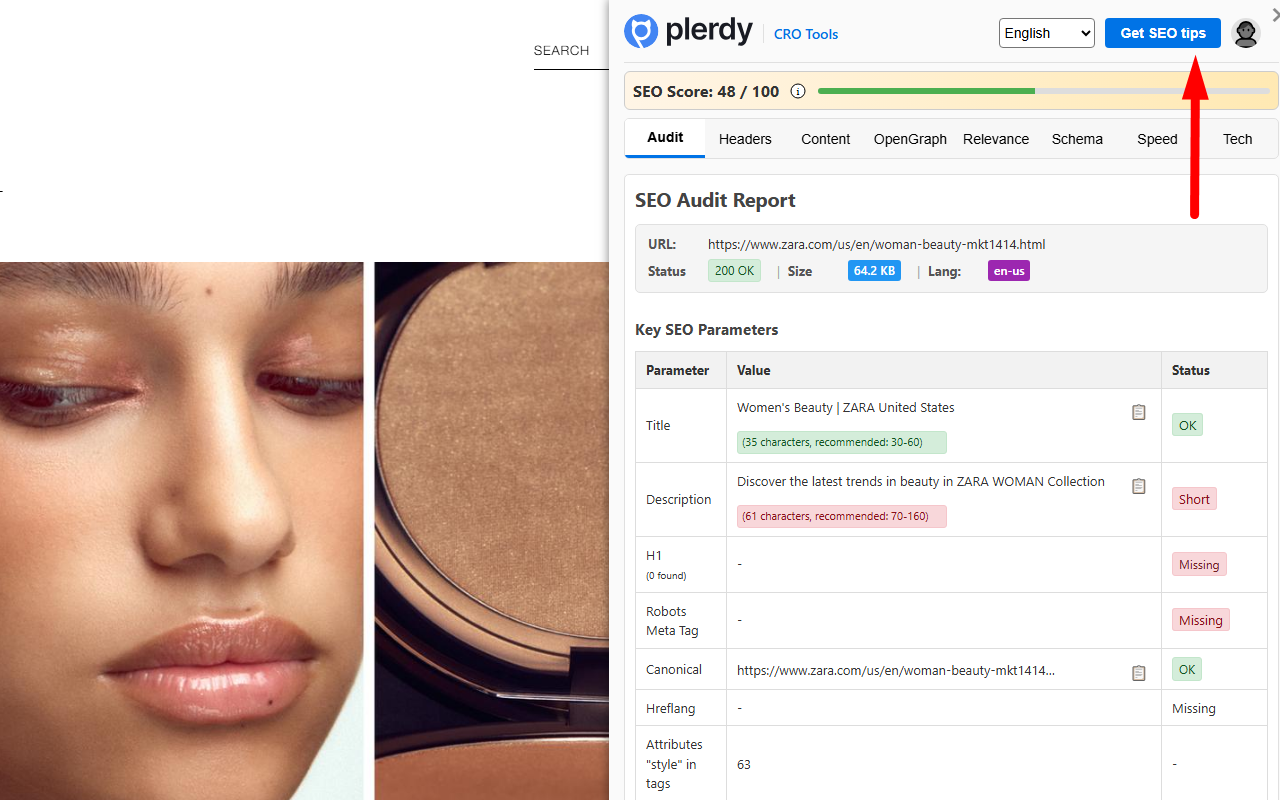
An SEO analyzer website is an online tool that reviews a web page or domain and reports on factors that may affect its visibility in search results. Depending on the tool, it may check page titles, meta descriptions, headings, links, loading performance, mobile usability, indexing signals and other technical details.
Some analyzers provide a quick overview of a single URL, while others can crawl an entire website and identify issues across many pages. The results are usually presented as a report, often with explanations or suggestions for resolving problems.
What can an SEO analysis check?
The features vary between tools, but a useful SEO analyzer may review the following areas:
- On-page SEO: Page titles, meta descriptions, headings, image alt text and how clearly a page targets its subject.
- Technical SEO: Crawlability, indexability, broken links, redirects, canonical tags and XML sitemaps.
- Website performance: Loading speed and other factors that influence the experience of visitors.
- Mobile usability: Whether pages display and function effectively on mobile devices.
- Links: Internal links between pages and, where available, information about links from other websites.
- Content quality: Issues such as missing information, duplicate page titles or pages with very little useful content.
Why use an SEO analyzer?
It can be difficult to spot SEO problems by looking at a website alone. An analyzer can help you find issues that are easy to overlook, such as a missing page description or a broken link. It can also help you prioritise improvements, giving you a clearer starting point for ongoing optimisation.
For businesses, regular analysis can support a more consistent approach to SEO. Rather than making changes based on guesswork, you can use evidence from your website to decide what needs attention. This is particularly useful after launching a new site, publishing a set of pages or making significant technical changes.
How to use an SEO analyzer website
- Choose a page or domain to review. Start with your homepage or an important service, product or landing page. For a broader review, use a tool that can crawl your full site.
- Run the analysis. Enter the URL and let the tool collect its findings. A full-site crawl may take longer than a single-page check.
- Review the recommendations. Look for issues that affect important pages or prevent search engines from accessing your content.
- Prioritise changes. Address critical technical problems first, then improve page-level details and content where needed.
- Check the results again. Re-run the analysis after making changes to confirm that the issues have been resolved.
How to interpret SEO analyzer results
Not every warning requires immediate action. SEO tools use different methods and scoring systems, so a low score does not automatically mean that a page will perform poorly in search results. Treat the report as a guide, not a definitive judgement.
Start with recommendations that are clearly relevant to your website. For example, fixing a broken link or ensuring that an important page can be indexed is usually more valuable than making small changes simply to improve a tool’s score. Consider each suggestion in context, including its potential impact on visitors and your business goals.
Choosing the right SEO analyzer website
Look for a tool that explains its findings in plain language and offers actionable advice. Consider whether it analyses individual pages or entire websites, how often you can run checks, and whether its reports are easy to share with colleagues or clients. If you are comparing tools, use the same page and review the findings carefully; different platforms may highlight different issues.
For a more complete picture, combine an SEO analyzer with other sources of information, such as search performance data, website analytics and feedback from real visitors. No single tool can assess every part of your SEO strategy.
Make SEO analysis part of your routine
An SEO analyzer website is most useful when it supports regular improvement rather than a one-off check. Review key pages periodically, monitor technical health and keep your content accurate and helpful. By acting on relevant findings and measuring the results, you can build a better experience for visitors and give search engines clearer information about your website.
Understanding SEO Analyser Websites: 9 Common Questions Answered
- What is an SEO analyser website?
- How does an SEO analyser website work?
- What can an SEO analyser check on my website?
- Are free SEO analyser websites reliable?
- How do I analyse my website’s SEO for free?
- How often should I run an SEO analysis?
- Can an SEO analyser help improve my Google rankings?
- What should I do after receiving an SEO analysis report?
- What is the difference between an SEO analyser and a website audit tool?
What is an SEO analyser website?
An SEO analyser website is an online tool that checks a website or individual page for factors that can affect its visibility in search results. It may review page titles, meta descriptions, headings, links, mobile usability, loading speed and technical settings, then provide a report highlighting potential issues and ways to improve them. Use its recommendations as a guide, as results can vary between tools and should be considered alongside your website’s goals and performance data.
How does an SEO analyser website work?
An SEO analyser website scans a web page or site and checks factors that can affect its visibility in search results. These may include page titles and meta descriptions, headings, links, mobile usability, loading speed and technical settings such as whether search engines can crawl and index the pages. It then presents its findings in a report, often with recommendations for fixing issues or improving the site. Results are best treated as a guide, as different tools may assess factors in different ways.
What can an SEO analyser check on my website?
An SEO analyser can check a range of factors that may affect your website’s visibility and performance in search results. These can include page titles and meta descriptions, headings, content, image alt text, internal and external links, mobile usability, page speed, broken links, redirects, and whether search engines can crawl and index your pages. The checks available vary by tool, so use the results as a guide to identify useful improvements rather than a definitive measure of your SEO performance.
Are free SEO analyser websites reliable?
Free SEO analyser websites can be reliable for basic checks, such as identifying missing page titles, broken links or common technical issues. However, their reports may be limited, and recommendations can vary in accuracy or relevance. Treat the results as a useful starting point rather than a definitive assessment, and verify important findings with trusted SEO tools or a specialist before making significant changes.
How do I analyse my website’s SEO for free?
You can analyse your website’s SEO for free using an online SEO checker. Enter your website address to get a report on areas such as page titles, meta descriptions, headings, mobile usability, loading speed and broken links. Start with your most important pages, then work through the recommendations, prioritising issues that affect visitors or prevent search engines from crawling and indexing your content. Free tools may limit the number of pages or checks available, so use their results as a helpful guide rather than a complete assessment of your SEO.
How often should I run an SEO analysis?
How often you should run an SEO analysis depends on how frequently your website changes. As a general guide, review your site every month or quarter, and run an additional check after a redesign, technical update or major content change. Regular analysis can help you spot issues early, but focus on meaningful findings rather than making changes simply to improve a tool’s score.
Can an SEO analyser help improve my Google rankings?
Yes, an SEO analyser can help improve your Google rankings by identifying issues that may affect your website’s visibility, such as slow-loading pages, missing page titles, broken links or problems with mobile usability. Its recommendations can guide improvements to your site and content, but using an analyser does not guarantee higher rankings. Results also depend on factors such as the quality and relevance of your content, competition and Google’s changing search systems.
What should I do after receiving an SEO analysis report?
After receiving an SEO analysis report, review its recommendations and prioritise the issues most likely to affect your website’s visibility or user experience, such as pages that cannot be indexed, broken links or missing page titles. Tackle changes in order of importance, and avoid making every suggested adjustment automatically, as some may not suit your site or goals. Once you have made the updates, run the analysis again and monitor your search performance to see whether they have helped.
What is the difference between an SEO analyser and a website audit tool?
An SEO analyser typically focuses on how well a page or website is optimised for search engines, checking factors such as titles, headings, keywords, links and metadata. A website audit tool usually takes a broader view, assessing technical health and usability as well as SEO—for example, crawling and indexing, broken links, site speed, mobile experience and security. The terms can overlap, so it’s worth checking each tool’s features to see whether it offers a quick SEO check or a more comprehensive audit.