Search Engine Optimisation Assignment: A Practical Guide
A search engine optimisation assignment explores how websites can improve their visibility in organic search results. It may ask you to explain SEO principles, analyse a website, compare strategies or recommend ways to attract more relevant visitors. A strong assignment combines reliable research with clear examples and practical recommendations.
What is search engine optimisation?
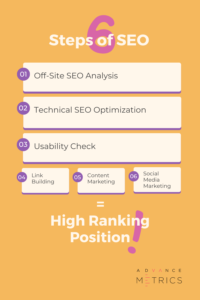
Search engine optimisation (SEO) is the practice of improving a website so that search engines can understand its content and users can find it more easily. SEO focuses on unpaid, or organic, search results. Its main areas are commonly grouped into three categories:
- On-page SEO: improving page content, headings, title tags, internal links and other elements on a website.
- Technical SEO: helping search engines access, crawl and index a website, while supporting a fast and usable experience.
- Off-page SEO: building a website’s reputation and authority through relevant links, mentions and other external signals.
These areas work together. Excellent content may struggle to perform if a page cannot be indexed, while technical improvements alone are unlikely to satisfy visitors who cannot find useful information.
How to plan your assignment
Before writing, read the assignment brief carefully. Identify the question, required word count, assessment criteria and referencing style. Then decide whether the task calls for an explanation of SEO concepts, a practical audit or a set of recommendations. Keeping the question in view will help you avoid covering unrelated topics.
A useful structure might include:
- Introduction: introduce the subject, explain the assignment’s focus and outline its scope.
- Background: define SEO and describe why organic search visibility matters.
- Analysis: examine relevant SEO factors, a website or a particular strategy.
- Recommendations: suggest improvements and explain why they are appropriate.
- Conclusion: summarise the main findings and answer the assignment question.
- References: list sources in the format required by your course.
Researching SEO effectively
SEO changes as search engines update their systems and people’s search habits evolve. Use current, credible sources, such as search engine documentation, academic publications, reputable industry research and trustworthy analytics resources. Check when each source was published, particularly when discussing ranking factors or tools.
Support key points with evidence. For example, if you recommend improving page speed, explain how performance can affect usability and refer to suitable evidence. Distinguish between established guidance, industry opinion and your own interpretation. This makes the assignment more balanced and academically credible.
Key topics to consider
Search intent and keyword research
Keyword research is not simply a process of finding popular phrases. It involves understanding what people hope to achieve when they search. A query might show informational intent, such as looking for an explanation, or transactional intent, such as seeking a product to buy. Content should match that purpose rather than repeatedly inserting keywords.
Discuss how relevant search terms can inform page topics, headings and content planning. Also consider the language used by the intended audience, the competitiveness of a topic and whether a page can provide a more useful answer than existing results.
Helpful, well-structured content
Good SEO content is written for people first. It should answer the reader’s question accurately, be easy to navigate and demonstrate appropriate expertise. Clear headings, descriptive page titles and concise introductions can help readers understand a page. Images and other media may also support the content when they are relevant and accessible.
Avoid treating keyword density as a target. Repetitive or unnatural wording can make a page less useful. Instead, use terminology naturally and cover the subject thoroughly enough to meet the reader’s needs.
Technical SEO and user experience
Technical SEO includes factors such as crawlability, indexability, mobile usability, secure connections, page speed and site structure. An assignment could explain how a search engine discovers pages and why technical problems may prevent important content from appearing in search results.
User experience is closely related. Pages should be readable on different devices, straightforward to navigate and accessible to people with varied needs. Technical recommendations should be prioritised according to their likely impact and the effort required to implement them.
Links and online reputation
Links from other websites can help people discover a page and may contribute to a site’s authority. However, link quality and relevance matter more than simply collecting a large number of links. Discuss ethical approaches, such as publishing useful resources and building genuine relationships, rather than manipulative schemes that attempt to game rankings.
Measuring SEO performance
SEO results should be assessed using more than ranking positions alone. Relevant measures may include organic visits, impressions, click-through rate, conversions, engagement and the visibility of important pages. The right measures depend on the website’s aims. For an online shop, completed purchases may matter most; for an information site, readership or enquiries may be more meaningful.
When presenting results, explain the timeframe and context. Search performance can be affected by seasonality, competition, site changes and updates to search engines. Avoid claiming that one SEO action directly caused a result unless the evidence supports that conclusion.
Common mistakes to avoid
- Writing about SEO in general without answering the assignment question.
- Relying on outdated or unverified claims.
- Using technical terms without explaining them.
- Repeating keywords unnaturally or prioritising search engines over readers.
- Making recommendations without explaining their purpose or likely impact.
- Presenting correlation as proof of cause and effect.
- Failing to cite sources or follow the required referencing style.
Conclusion
A successful search engine optimisation assignment shows how SEO combines relevant content, sound technical foundations and a positive user experience. Start with the assignment brief, research current and reliable sources, and support your analysis with evidence. Whether you are evaluating a website or explaining SEO principles, clear reasoning and practical, ethical recommendations will make your work stronger.
7 Essential Tips for Mastering Search Engine Optimisation Assignments
- Define your SEO objectives and target audience.
- Research relevant keywords using reliable tools.
- Analyse search intent before choosing keywords.
- Use keywords naturally in titles and headings.
- Write clear, useful, original content.
- Explain technical SEO factors such as speed and mobile usability.
- Measure results with suitable analytics tools.
Define your SEO objectives and target audience.
Before beginning your search engine optimisation assignment, clearly define your objectives and target audience. Decide what you want the SEO strategy to achieve—such as increasing relevant website traffic, improving visibility for particular searches or generating more enquiries—and identify who the content is intended to reach. Consider your audience’s needs, interests, location and search habits. These details will help you choose suitable keywords, shape relevant content and recommend ways to measure success.
Research relevant keywords using reliable tools.
Researching relevant keywords is an important step in a search engine optimisation assignment, as it helps you understand the terms your target audience uses and the intent behind their searches. Use reliable tools, such as Google Keyword Planner or Google Search Console, alongside search engine results and reputable industry resources. Consider relevance, search volume and competition, but avoid choosing keywords based on popularity alone. Select terms that fit your topic and audience, then use them naturally in your research and recommendations.
Analyse search intent before choosing keywords.
Analyse search intent before choosing keywords so your content addresses what people are actually looking for, rather than simply targeting popular search terms. Consider whether users want to learn something, compare options, find a specific website or make a purchase. Then choose keywords that reflect this purpose and create content that fulfils it. Matching keywords to intent can make your recommendations more relevant, improve the usefulness of a page and attract visitors who are more likely to engage.
Use keywords naturally in titles and headings.
Use your target keywords naturally in page titles and headings so readers and search engines can quickly understand what each section is about. Choose wording that accurately reflects the content, and avoid forcing in exact phrases where they sound awkward or repetitive. Clear, descriptive titles and headings make your assignment easier to read while helping explain its relevance to the topic.
Write clear, useful, original content.
Write clear, useful and original content that directly answers the reader’s question. Organise your ideas logically, use straightforward language and include relevant examples or evidence to support your points. Rather than repeating keywords to influence rankings, focus on providing genuine value and a fresh perspective. This makes your work more engaging for readers and gives search engines a clearer understanding of the page.
Explain technical SEO factors such as speed and mobile usability.
Technical SEO helps search engines access and understand a website while making it easier for visitors to use. In your assignment, explain how page speed can affect user experience, as slow-loading pages may lead visitors to leave before the content appears. Also discuss mobile usability: pages should display clearly and work smoothly on smaller screens, with readable text, simple navigation and tappable links. Consider how tools such as Google Search Console or PageSpeed Insights can help identify issues, and support your recommendations with evidence rather than assuming that one technical change will automatically improve rankings.
Measure results with suitable analytics tools.
Measure the impact of your SEO recommendations using suitable analytics tools, such as Google Search Console and web analytics platforms. Track relevant indicators, including organic traffic, search impressions, click-through rates, rankings and conversions, choosing metrics that match the website’s goals. Compare results over a consistent period and take account of factors such as seasonality or website changes. This helps you assess what is working, identify areas for improvement and support your conclusions with evidence.