Google Certified SEO Consultant: What the Term Really Means
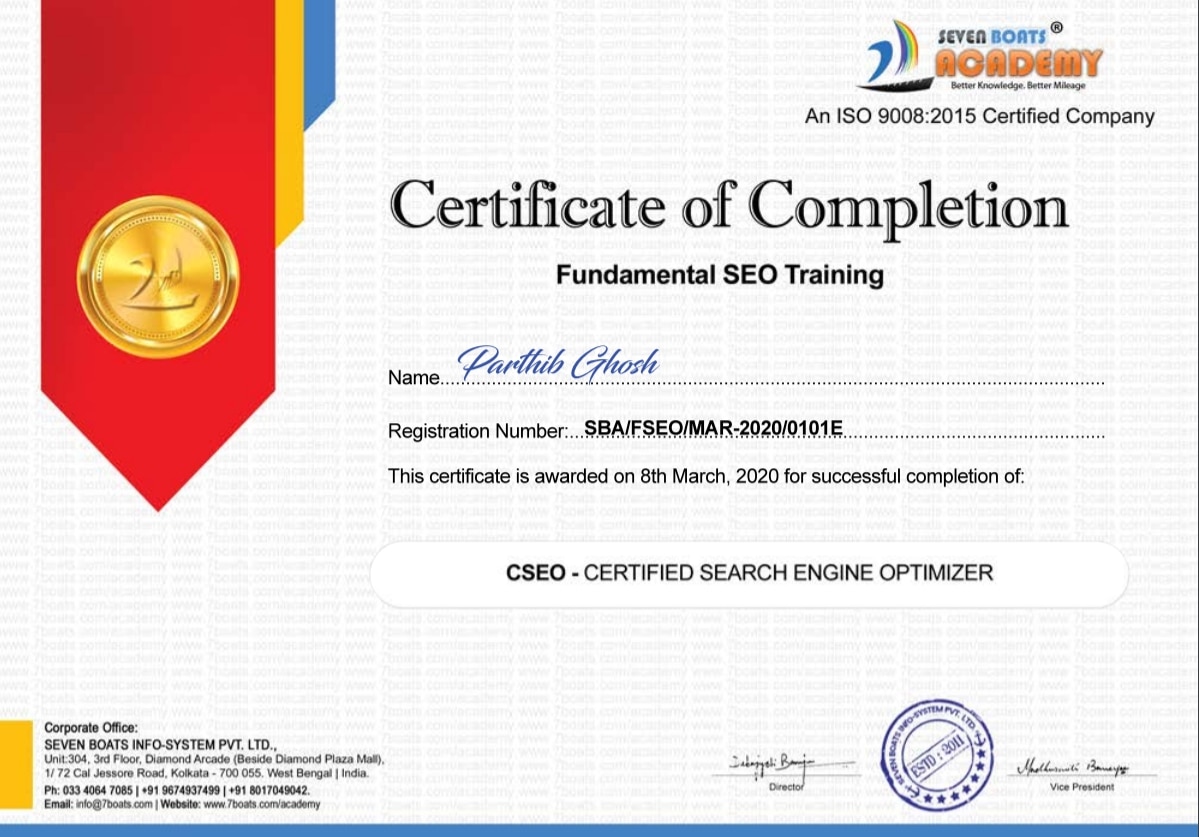
If you are looking for a Google certified SEO consultant, it is worth knowing exactly what that phrase means. Google does not offer an official certification for SEO consultants. An individual may hold Google certifications in related areas, such as Google Ads or Google Analytics, but these are not the same as certification in search engine optimisation.
That does not mean qualifications are unhelpful. Training and certificates can demonstrate familiarity with particular tools or marketing disciplines. However, they should be considered alongside a consultant’s experience, working methods and results—not as proof that Google has approved their SEO services.
Does Google certify SEO consultants?
No. Google provides guidance on how its search works and how website owners can improve their sites, but it does not certify consultants to perform SEO. Google also does not endorse individual SEO agencies or guarantee that a particular provider can secure higher rankings.
Some consultants use “Google certified” to describe qualifications in adjacent subjects. For example, a consultant might have completed Google training in advertising or analytics. These credentials can be relevant to a wider digital marketing strategy, but they do not certify someone as an SEO expert.
What does an SEO consultant do?
An SEO consultant helps a business improve the visibility and usefulness of its website in organic search results. The work may include:
- SEO audits: reviewing a website’s content, technical health and search performance.
- Technical SEO: identifying issues that may affect crawling, indexing, site speed or usability.
- Keyword and audience research: understanding what potential customers search for and what they need.
- Content recommendations: planning or improving pages to make them more helpful, relevant and clear.
- On-page optimisation: refining page titles, headings, internal links and other page elements.
- Measurement and reporting: tracking meaningful indicators, such as organic traffic, leads and sales.
The right mix of work depends on the website and the business. A reputable consultant should explain why they recommend particular changes and how progress will be assessed.
How to assess an SEO consultant
Rather than relying on the phrase “Google certified”, look for evidence of sound practice and a clear understanding of your goals. Consider asking:
- What experience do you have with businesses like ours?
- How will you assess our website and identify priorities?
- What work will you carry out, and what will our team need to do?
- How will you report on progress and business outcomes?
- Do you follow Google Search Central guidance and explain any risks?
- Can you provide examples of past work, with permission from the clients concerned?
Look for clear answers rather than promises of guaranteed rankings. Search results are influenced by many factors, and no consultant can control every change to Google’s systems or guarantee a specific position.
Warning signs to watch for
Be cautious if a provider claims to have a special relationship with Google, promises a number-one ranking, or guarantees rapid results without first reviewing your website. Other warning signs include vague reporting, unexplained techniques, pressure to buy large quantities of links, or refusal to describe the work being done.
SEO should be approached as ongoing work. Improvements can take time, and results vary depending on factors such as your website, competition, industry and the quality of implementation.
Google tools and SEO learning
Consultants may use Google’s own resources to monitor and understand website performance. Google Search Console can provide information about a site’s search visibility, indexing and technical issues. Google Analytics can help businesses analyse how visitors use their websites. These tools support decision-making, but using them—or holding a related certificate—does not in itself prove SEO expertise.
Google Search Central is also a useful source of guidance for website owners and SEO professionals. A consultant who can explain relevant recommendations in plain English and relate them to your business is often more valuable than one who relies on jargon or credentials alone.
Choosing the right consultant for your business
The best SEO consultant is not necessarily the one with the most certificates. Look for someone who understands your objectives, communicates openly and provides recommendations that are practical, ethical and tailored to your website.
So, when searching for a Google certified SEO consultant, treat the wording as a starting point—not a guarantee. Check what any certificate actually covers, ask how the consultant works and focus on whether their approach can support sustainable growth for your business.
5 Essential Tips for Choosing a Google-Savvy SEO Consultant
- Google does not offer an official SEO consultant certification.
- Check a consultant’s SEO results and client references.
- Ask how they follow Google Search Essentials.
- Avoid anyone promising guaranteed rankings.
- Choose clear reporting and ethical SEO practices.
Google does not offer an official SEO consultant certification.
Google does not offer an official certification for SEO consultants, so be wary of anyone suggesting that Google has endorsed their SEO services. A consultant may hold Google certificates in related areas, such as Google Ads or Analytics, but these do not certify their SEO expertise. When choosing an SEO professional, focus instead on their experience, transparent working methods and ability to explain how their recommendations support your business goals.
Check a consultant’s SEO results and client references.
Before hiring an SEO consultant, ask for examples of their past work and, where possible, speak to client references. Look for clear evidence of improvements that mattered to the business, such as more relevant organic traffic, enquiries or sales—not just higher rankings. Results vary by website and industry, so a trustworthy consultant should explain what they did, how long it took and what factors influenced the outcome, while respecting client confidentiality.
Ask how they follow Google Search Essentials.
Ask prospective consultants how they follow Google Search Essentials, Google’s guidance on creating helpful, accessible websites and making content easier for Google to discover and understand. A trustworthy consultant should be able to explain how these principles shape their recommendations, from technical improvements to content quality, without promising guaranteed rankings or relying on tactics designed to manipulate search results.
Avoid anyone promising guaranteed rankings.
Avoid any SEO consultant who guarantees specific rankings, such as a number-one position on Google. Search results depend on many factors and can change over time, so no consultant can control or promise a particular outcome. A trustworthy professional will explain their approach, set realistic expectations and focus on sustainable improvements—such as better technical performance, useful content and more relevant organic traffic—instead of making claims they cannot guarantee.
Choose clear reporting and ethical SEO practices.
Choose an SEO consultant who provides clear, regular reports explaining the work completed, progress made and next steps in plain English. Reporting should focus on meaningful measures, such as relevant organic traffic, enquiries and sales, rather than rankings alone. Make sure the consultant also follows ethical SEO practices, avoids misleading promises and explains any potential risks. This helps you understand the value of the work and build sustainable search visibility over time.