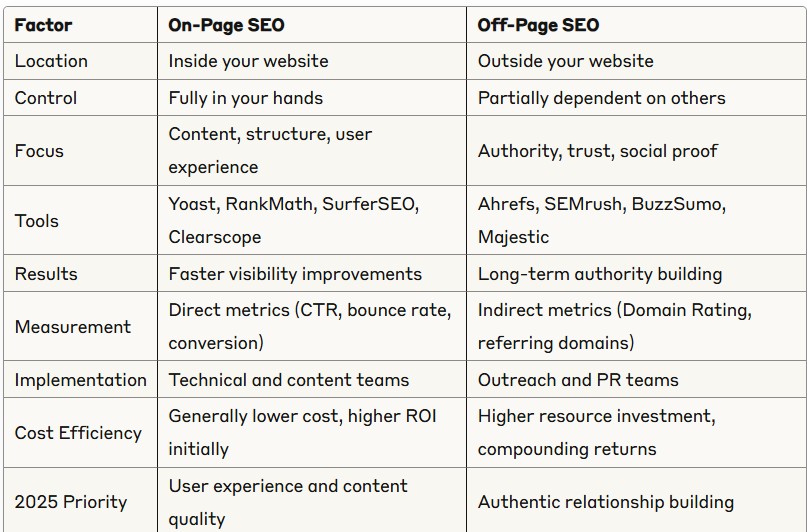
The Importance of On-Page Optimization in SEO
When it comes to Search Engine Optimization (SEO), on-page optimization plays a crucial role in enhancing the visibility and ranking of a website on search engine results pages. On-page optimization involves optimizing various elements within a website to improve its relevance and authority in the eyes of search engines like Google.
One of the key aspects of on-page optimization is the strategic use of keywords. By incorporating relevant keywords into the content, meta tags, headings, and URLs of a webpage, you can signal to search engines what your page is about. This helps search engines understand the context of your content and match it with user queries effectively.
Another important element of on-page optimization is creating high-quality and engaging content. Search engines value fresh, informative, and well-structured content that provides value to users. By regularly updating your website with relevant and engaging content, you can attract more visitors and improve your chances of ranking higher in search results.
Optimizing meta tags such as title tags, meta descriptions, and alt attributes for images is also crucial for on-page SEO. These tags provide valuable information to search engines about the content of a webpage and can significantly impact its visibility in search results.
Furthermore, ensuring that your website has a clear site structure, fast loading speed, mobile responsiveness, and secure HTTPS connection are essential components of on-page optimization. A well-organized website that offers a seamless user experience is more likely to rank higher in search results and attract more organic traffic.
In conclusion, on-page optimization is an integral part of any successful SEO strategy. By paying attention to details such as keyword usage, content quality, meta tags, site structure, and technical aspects of your website, you can improve its visibility in search results and drive more organic traffic to your site. Remember that SEO is an ongoing process that requires continuous monitoring and optimization to stay ahead in the competitive online landscape.
Understanding On-Page SEO: Key Questions and Insights
- What is on-page optimization in SEO?
- How important are keywords in on-page optimization?
- What are the key elements of on-page optimization?
- How does content quality impact on-page SEO?
- Why is site structure important for on-page optimization?
What is on-page optimization in SEO?
On-page optimization in SEO refers to the practice of optimizing various elements within a website to improve its visibility and ranking in search engine results pages. This process involves strategically incorporating relevant keywords into the content, meta tags, headings, and URLs of a webpage to help search engines understand the context of the content. Additionally, on-page optimization includes creating high-quality and engaging content, optimizing meta tags such as title tags and meta descriptions, ensuring a clear site structure, fast loading speed, mobile responsiveness, and secure HTTPS connection. By focusing on these aspects, websites can enhance their relevance and authority in the eyes of search engines, ultimately leading to improved organic traffic and better search engine rankings.
How important are keywords in on-page optimization?
Keywords play a pivotal role in on-page optimization as they serve as the bridge between a website’s content and search engine algorithms. By strategically incorporating relevant keywords into various on-page elements such as headings, meta tags, and content, website owners can effectively communicate the context and relevance of their pages to search engines. Keywords help search engines understand the topic of a webpage and match it with user queries, ultimately influencing the visibility and ranking of the website in search results. Therefore, choosing the right keywords and using them thoughtfully throughout a webpage is essential for successful on-page optimization and improving organic search traffic.
What are the key elements of on-page optimization?
On-page optimization encompasses several key elements that are essential for improving a website’s visibility and performance in search engine results. These elements include strategic keyword usage throughout the content, meta tags, headings, and URLs to signal relevance to search engines. Creating high-quality, engaging content that provides value to users is crucial. Optimizing meta tags such as title tags, meta descriptions, and alt attributes for images is also important for better search engine visibility. Additionally, having a clear site structure, fast loading speed, mobile responsiveness, and secure HTTPS connection are vital components of on-page optimization that contribute to a positive user experience and improved search rankings. By focusing on these key elements of on-page optimization, websites can enhance their online presence and attract more organic traffic.
How does content quality impact on-page SEO?
The quality of content plays a pivotal role in determining the success of on-page SEO efforts. Search engines like Google prioritize high-quality, relevant, and engaging content when ranking webpages. Content that is well-written, informative, and tailored to meet the needs of users not only attracts more organic traffic but also enhances user experience and engagement. By incorporating targeted keywords naturally within the content and providing valuable information that addresses user queries, websites can improve their visibility in search results. Ultimately, content quality is a key factor that influences how search engines perceive a webpage’s relevance and authority, making it essential for effective on-page SEO strategies.
Why is site structure important for on-page optimization?
The site structure plays a vital role in on-page optimization as it directly impacts the user experience and search engine visibility of a website. A well-organized site structure helps search engines understand the hierarchy and relationship between different pages on a website, making it easier for them to crawl and index the content effectively. By creating a clear and logical site structure with easily navigable menus, internal linking, and hierarchical categories, you can enhance the user experience, encourage visitors to explore more pages, and improve the overall SEO performance of your website. Additionally, a well-structured site makes it easier for search engines to identify relevant content, prioritize important pages, and deliver more accurate search results to users, ultimately leading to higher rankings and increased organic traffic.