Backlinks: What They Are and Why They Matter for SEO
A backlink is a link from one website to another. If a news site, blog or business directory links to a page on your website, that link is a backlink for your site. Backlinks are also known as inbound links or incoming links.
Backlinks can help people discover useful information and give search engines context about how pages relate to one another. However, not every backlink has the same value, and simply collecting as many links as possible is not a sound SEO strategy.
How do backlinks work?
Search engines use links to find pages and understand connections across the web. A link from one page to another can also act as a signal that the linked page may be useful or relevant. Search engines consider many signals when determining rankings, so backlinks should be viewed as one part of a broader SEO strategy, rather than a guarantee of better positions.
The value of a backlink can depend on factors such as:
- Relevance: A link from a website covering a related subject may make more sense to readers and search engines.
- Editorial context: A link included naturally within useful content is generally more meaningful than one placed solely to manipulate rankings.
- Website quality: The credibility and usefulness of the linking website matter more than a headline metric alone.
- Link placement: A prominent, contextual link may be more likely to attract readers than one hidden in an unrelated section.
- Anchor text: The clickable words can help describe the destination page. They should read naturally and accurately.
Common types of backlinks
Editorial backlinks
These are links given naturally by an editor, journalist or website owner because they consider a page useful to their audience. For example, a researcher might link to an original study, or a journalist might cite a company’s expert commentary.
Guest article links
A business may contribute an article to another relevant publication and receive a link in its author biography or within the content. Guest contributions should provide genuine value to the publication’s readers, rather than exist only to gain links.
Business directory links
Listings in relevant, reputable directories can help people find a business. Focus on directories that are useful to customers, such as established industry or local listings, rather than submitting a website to large numbers of low-quality directories.
Resource page links
Some websites maintain pages of recommended tools, organisations or further reading. A relevant resource page may link to a useful guide, service or research resource.
Follow and nofollow links
Links can include attributes that provide search engines with additional information. For example, rel="nofollow", rel="sponsored" and rel="ugc" may be used in different circumstances. These attributes do not make a link useless: people can still click it, and it may bring referral traffic or help build awareness.
Why are backlinks important?
Backlinks can support an SEO strategy in several ways:
- Discovery: Links can help search engines and visitors find pages on your website.
- Referral traffic: A relevant link may bring visitors who are already interested in your subject or service.
- Reputation: Being cited by respected organisations can strengthen your credibility with potential customers.
- Visibility: Useful content referenced by other websites can reach audiences you might not otherwise attract.
The benefits depend on the quality and relevance of the link, as well as the usefulness of the page it points to. A backlink is not a substitute for a well-built website, helpful content or a good user experience.
How to earn quality backlinks
The most sustainable approach is to create something that other people have a genuine reason to reference. This might include:
- Original research, surveys or industry data
- Detailed guides that answer common questions
- Free tools, templates or calculators
- Expert commentary and useful case studies
- Clear visual resources, such as diagrams or data visualisations
You can also build relationships with relevant publishers, industry groups and local organisations. When contacting someone about your content, explain why it may help their audience. Avoid sending generic requests or insisting that a link be added.
Backlink practices to avoid
Buying links intended to manipulate search rankings, exchanging links at scale, using automated link schemes or publishing low-quality guest articles purely for backlinks can put a website at risk. Search engines may ignore links they consider manipulative, and serious violations can lead to ranking consequences.
Be cautious of services promising a specific number of backlinks or guaranteed ranking improvements. A large volume of links is not proof of quality. Focus on relevance, editorial judgement and real value to readers.
How to review your backlink profile
SEO tools can help you see which websites link to your pages, which pages receive the most links and what anchor text is used. Treat tool metrics as estimates rather than definitive measures of a website’s quality.
When reviewing backlinks, consider:
- Whether the linking website and page are relevant to your business
- Whether the link appears naturally and makes sense to a reader
- Whether the link brings visitors or meaningful visibility
- Whether there are unusual patterns that may indicate spam or a link scheme
There is usually no need to remove every link from a website you do not recognise. Investigate suspicious patterns carefully and follow current search engine guidance before taking action.
Frequently asked questions
Are all backlinks good for SEO?
No. Some links may be irrelevant, low quality or created to manipulate rankings. A smaller number of relevant, naturally earned links can be more valuable than a large number of links with no clear purpose.
How many backlinks does a website need?
There is no universal target. The number of links required varies by topic, competition, website and page. Concentrate on producing useful content and earning relevant references rather than chasing a fixed number.
Can backlinks guarantee higher rankings?
No. Backlinks may contribute to a website’s visibility, but search rankings depend on many factors. No link-building activity can guarantee a particular position.
Conclusion
Backlinks are links from other websites to yours. They can help people discover your content, bring referral traffic and contribute to your website’s reputation. The best approach is to earn relevant links by publishing genuinely useful material and building real relationships. Quality, context and credibility matter far more than link volume alone.
Backlinks Explained: 37 Frequently Asked Questions About SEO, Link Building and Best Practices
- How to generate backlinks?
- What are backlinks?
- What is backlink in HTML?
- How do you create a backlink?
- How do I make SEO backlinks?
- What is backlink HTML format?
- Is backlink a hyperlink?
- Is a backlink a hyperlink?
- What is backlinks and its types?
- Is Instagram a backlink?
- Who needs a backlink?
- What is the difference between hyperlink and backlink?
- What does backlink mean?
- What is a backlink?
- What is backlink strategy in SEO?
- How do I get backlinks?
- What does a backlink look like?
- Why is it called a backlink?
- What are the three types of backlinks?
- What is backlink or hyperlink?
- What is backlink strategy SEO?
- Is backlink same as hyperlink?
- What is a backlink tool?
- What is an example of backlink?
- What is a good backlink?
- How do I create backlinks?
- How to get 100 backlinks?
- What backlink means?
- What is a backlink in digital marketing?
- How do I create backlinks for my website?
- How do I get a backlink?
- What is an example of a backlink?
- What is the role of backlinks in SEO?
- How to check website backlink?
- Is backlink important for SEO?
- Is it illegal to buy backlinks?
- Are backlinks free?
How to generate backlinks?
To generate backlinks, create useful, original content that other websites will want to reference, such as in-depth guides, research, expert insights or practical tools. Share it with relevant publishers, industry organisations and local groups, explaining how it could benefit their audience. You can also contribute genuinely helpful articles to reputable publications and ensure your business is listed in relevant directories. Focus on earning links naturally; avoid buying links or using schemes designed to manipulate search rankings, as these can put your website at risk.
What are backlinks?
Backlinks are links from one website to a page on another website. Also known as inbound links, they help people find related information and can help search engines discover and understand pages across the web. A backlink is most useful when it comes from a relevant, reputable website and is included naturally because it adds value for readers.
What is backlink in HTML?
In HTML, a backlink is simply a hyperlink on another website that points to your page. It is created with an anchor element, such as <a href="https://example.com/page">Read the guide</a>. The link is a backlink from the perspective of the page it leads to; HTML itself does not label it as a “backlink”. Attributes such as rel="nofollow" can give search engines extra information about the link, but visitors can still click it.
How do you create a backlink?
You create a backlink when another website links to a page on your site. The most sustainable way to earn one is to publish useful, original content—such as a detailed guide, research or a practical resource—that others may want to reference. You can also build relationships with relevant publishers, contribute genuinely helpful articles or list your business in reputable directories. Any link should make sense for readers; avoid buying links or using schemes designed to manipulate search rankings.
How do I make SEO backlinks?
To earn SEO backlinks, create useful, original content that other websites have a genuine reason to reference, such as expert guides, research, tools or helpful resources. Share it with relevant journalists, publishers, industry organisations and local businesses, explaining why it may benefit their audience. You can also contribute thoughtful articles to reputable publications and ensure your business is listed in relevant directories. Focus on relevance and genuine value rather than buying links or using schemes to create them, as manipulative tactics can put your site at risk.
What is backlink HTML format?
A backlink in HTML is created with an anchor tag that points to another website, for example: <a href="https://example.com">Visit Example</a>. The URL in the href attribute is the destination, while the words between the opening and closing tags are the clickable anchor text. Optional attributes can provide extra information: for instance, rel="nofollow" may be used when you do not want to endorse the destination, while rel="sponsored" or rel="ugc" can identify paid or user-generated links.
Is backlink a hyperlink?
Yes, a backlink is a type of hyperlink. It is a clickable link on one website that points to a page on another website. From the receiving website’s perspective, that incoming link is called a backlink.
Is a backlink a hyperlink?
Yes. A backlink is a type of hyperlink: it’s a clickable link on another website that points to a page on your website. All backlinks are hyperlinks, but not all hyperlinks are backlinks—for example, a link between two pages on the same website is an internal link, not a backlink.
What is backlinks and its types?
A backlink is a link from one website to another; for example, when a blog links to a page on your website, your site has gained a backlink. Common types include editorial backlinks, which are added naturally because a page is useful; guest post links, included in an article contributed to another website; directory links, listed in relevant business or industry directories; and resource page links, featured on pages that recommend helpful websites. Links may also be labelled as follow, nofollow, sponsored or user-generated, depending on their attributes. The most valuable backlinks are relevant, trustworthy and placed naturally for readers, rather than created simply to manipulate search rankings.
Is Instagram a backlink?
Instagram can provide a backlink when a post, profile or bio includes a clickable link to your website. However, links on Instagram are typically marked in a way that means they do not pass traditional SEO ranking value like some editorial links from websites may. They can still be valuable: they may bring visitors to your site, increase brand awareness and help people discover your content.
Who needs a backlink?
Anyone looking to improve their website’s visibility, attract referral traffic or build credibility online may benefit from backlinks. They can be especially useful for businesses, publishers and organisations competing in search results, but a backlink is not essential for every website or a guarantee of higher rankings. The priority should be creating useful content and earning relevant links naturally, rather than pursuing backlinks simply for their own sake.
What is the difference between hyperlink and backlink?
A hyperlink is any clickable link that takes a user to another page, file or location, whether it appears on your website or elsewhere. A backlink is a specific type of hyperlink: one that points from another website to your website. In other words, every backlink is a hyperlink, but not every hyperlink is a backlink. A link between two pages on the same website, for example, is an internal link rather than a backlink.
What does backlink mean?
A backlink is a link from one website to a page on another website. For example, if a blog links to your guide, that link is a backlink to your site. Backlinks can help visitors discover your content and may contribute to your website’s visibility in search engines, particularly when they come from relevant, trustworthy sources.
What is a backlink?
A backlink is a link from one website to a page on another website. For example, if a blog links to your guide, that link is a backlink to your site. Backlinks can help people discover your content and give search engines context about how pages relate to one another, although their value depends on factors such as relevance, quality and how naturally the link appears.
What is backlink strategy in SEO?
A backlink strategy in SEO is a planned approach to earning links from relevant, reputable websites to pages on your own site. It typically involves creating useful content others want to reference, identifying suitable publications or industry resources, and building genuine relationships with their owners or editors. A strong strategy prioritises relevance, editorial quality and value to readers, rather than simply aiming to increase the number of links. Avoid paid or manipulative link schemes, which can breach search engine guidelines and put your website at risk.
How do I get backlinks?
To get backlinks, create useful, original content that other websites will want to reference, such as expert guides, research, case studies or practical tools. Share it with relevant publishers, industry organisations and local groups, explaining how it could benefit their audience. You can also contribute genuinely helpful articles to reputable publications and ensure your business is listed in relevant directories. Focus on earning links naturally through quality and relevance, rather than buying links or using schemes that promise large numbers of backlinks.
What does a backlink look like?
A backlink usually appears as clickable text, an image or a button on one website that takes you to a page on another. For example, in the sentence “Learn more about SEO best practice”, the linked words “SEO best practice” are the backlink’s anchor text. Backlinks may also appear in image credits, author biographies, resource lists or business directories.
Why is it called a backlink?
It is called a backlink because it points back to another website or webpage. When one site links to a page on your site, that link is an incoming link from your perspective—a link leading back to your content. The term helps distinguish it from an outbound link, which points from your site to another.
What are the three types of backlinks?
The three common types of backlinks are natural, manually built and self-created. Natural backlinks are earned when another website links to your content because it finds it useful. Manually built backlinks are gained through genuine outreach, such as asking a relevant publisher to consider a helpful resource. Self-created backlinks are added by a website owner, for example in a directory listing or forum profile; these can be useful when relevant, but creating them at scale to manipulate search rankings may violate search engine guidelines.
What is backlink or hyperlink?
A hyperlink is a clickable link that takes you from one webpage or document to another. A backlink is a specific type of hyperlink: it points from another website to your website. For example, if a blog links to one of your pages, that link is a backlink for your site. In short, every backlink is a hyperlink, but not every hyperlink is a backlink.
What is backlink strategy SEO?
A backlink strategy in SEO is a planned approach to earning links from other relevant, trustworthy websites to your own. It may include creating useful, link-worthy content, building relationships with publishers and industry organisations, and finding appropriate opportunities such as expert commentary or reputable business directories. The aim is to help people discover your pages and strengthen your site’s credibility—not simply to collect as many links as possible. A sound strategy avoids buying manipulative links or using link schemes, and focuses on relevance, quality and genuine value to readers.
Is backlink same as hyperlink?
No, a backlink and a hyperlink are related but not the same. A hyperlink is any clickable link that takes a user from one page or resource to another. A backlink is a specific type of hyperlink: one that points from another website to your website. Links between pages on the same website are internal links, while links from your site to another are outbound links.
What is a backlink tool?
A backlink tool is an SEO tool that helps you analyse the links pointing to your website and, in some cases, those pointing to competitors. It can show information such as referring websites, linked pages, anchor text and changes to your backlink profile over time. These insights can help you assess link quality, spot potential issues and identify opportunities to earn relevant links. Tool data is an estimate, so use it as a guide rather than a definitive measure of a website’s authority.
What is an example of backlink?
An example of a backlink is a gardening blog linking to a plant shop’s guide to choosing houseplants. If the blog includes clickable text such as “houseplant care guide” that takes readers to the shop’s webpage, that link is a backlink for the plant shop.
What is a good backlink?
A good backlink is a relevant, naturally placed link from a trustworthy website that helps readers find useful information. It should make sense in the context of the page, point to a helpful destination and use clear, natural anchor text. Rather than focusing on a website’s metrics or the number of links, consider whether the link offers genuine value to its audience and could bring relevant visitors to your site.
How do I create backlinks?
Create backlinks by publishing useful, original content that other websites have a good reason to reference, such as expert guides, research, case studies or practical tools. You can also build genuine relationships with relevant publishers, contribute high-quality articles, share expert commentary and ensure your business is listed in reputable industry or local directories. Focus on relevance and value for readers rather than buying links or using automated schemes, which can harm your website’s search performance.
How to get 100 backlinks?
Getting 100 backlinks should not be a target in itself, as a large number of low-quality or irrelevant links can do little for your website and may create SEO risks. Instead, focus on earning links that are relevant and useful: publish original research, helpful guides or free resources; contribute expert commentary to reputable publications; build relationships with organisations in your industry; and make sure your business is listed in suitable directories. Track your progress with an SEO tool, but prioritise the quality and relevance of each link over reaching a particular number.
What backlink means?
A backlink is a link on one website that points to a page on another website. For example, if a blog links to your business website, your site has received a backlink. Backlinks can help visitors discover your content and may contribute to your website’s visibility in search results, particularly when they come from relevant, trustworthy sources.
What is a backlink in digital marketing?
A backlink in digital marketing is a link from one website to a page on another website. For example, if an online publication links to your company’s guide, that link is a backlink for your site. Backlinks can help people discover your content and may support SEO by signalling that other websites consider it useful or relevant. Their value depends on factors such as the linking site’s quality, the link’s context and its relevance to your audience; more backlinks do not automatically mean better results.
How do I create backlinks for my website?
To create backlinks for your website, publish useful, original content that other websites have a reason to reference, such as expert guides, research, case studies or practical tools. Build relationships with relevant publishers, industry organisations and local businesses, and let them know about resources that may genuinely help their audiences. You can also contribute valuable articles to reputable websites and list your business in relevant, trusted directories. Focus on earning links naturally and avoid buying links or using automated schemes, as these can breach search engine guidelines and harm your site’s visibility.
How do I get a backlink?
You can get a backlink when another website links to a page on your site. The most sustainable way is to publish useful, original content—such as research, practical guides or expert insights—that others may want to reference. You can also build relationships with relevant publications, contribute valuable guest articles, or list your business in reputable industry and local directories. Focus on links that are relevant and useful to readers, and avoid buying links or using schemes designed to manipulate search rankings.
What is an example of a backlink?
A backlink is a link from one website to another. For example, if a gardening blog writes an article about choosing garden tools and includes a clickable link to a garden shop’s website, that link is a backlink for the shop. Backlinks can help readers discover relevant websites and may contribute to a site’s visibility in search results.
What is the role of backlinks in SEO?
Backlinks are links from other websites to your pages. In SEO, they can help search engines discover content and understand how websites and topics are connected. Relevant, naturally earned links may also signal that a page is useful or trustworthy, while bringing visitors to your site. Backlinks are only one part of SEO, however, and their value depends on factors such as relevance, context and the quality of the linking website. Focus on creating helpful content that people genuinely want to reference, rather than collecting links for their own sake.
How to check website backlink?
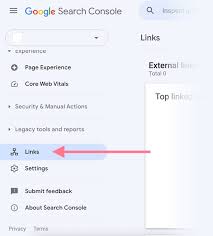
To check a website’s backlinks, use an SEO tool such as Google Search Console, Ahrefs, Semrush or Moz. In Google Search Console, open the “Links” report to see which sites link to your website, the pages receiving links and common link text. Third-party tools can provide additional estimates and competitor insights. Review links for relevance and context, and remember that each tool has its own data and may not show every backlink.
Is backlink important for SEO?
Yes, backlinks can be important for SEO because they help search engines discover pages and can indicate that other websites consider your content useful or trustworthy. Relevant, naturally earned links may also bring referral traffic and strengthen your online reputation. However, backlinks are only one part of SEO: high-quality content, a technically sound website and a good user experience matter too. Focus on earning links that are genuinely useful to readers rather than simply increasing their number.
Is it illegal to buy backlinks?
Buying backlinks is not usually illegal under UK law, but purchasing links to manipulate search rankings can breach search engine guidelines and lead to links being ignored or ranking penalties. Paid links should be clearly disclosed and use an appropriate link attribute, such as rel="sponsored". Avoid schemes that promise large numbers of links or guaranteed rankings, and seek legal advice if a specific arrangement raises concerns about advertising, disclosure or competition rules.
Are backlinks free?
Backlinks can be free when another website links to your content naturally because it finds it useful or relevant. You can encourage this by publishing original research, helpful guides and other valuable resources, although creating and promoting them takes time and effort. Some paid placements are legitimate advertising, but paying for links to manipulate search rankings can breach search engine guidelines and may put your website at risk. Always prioritise relevant, trustworthy links that offer genuine value to readers.