The Key Elements of an Optimal Search Engine Marketing Strategy
Search engine marketing (SEM) is a powerful tool for businesses looking to enhance their online visibility and reach their target audience effectively. Crafting an optimal SEM strategy involves a combination of paid advertising and search engine optimization (SEO) techniques to drive traffic, increase conversions, and boost revenue.
Keyword Research and Analysis
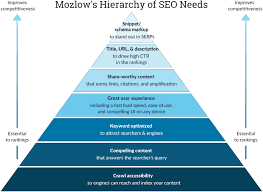
Keywords are the foundation of any successful SEM strategy. Conduct thorough keyword research to identify high-value terms relevant to your business. Utilize tools like Google Keyword Planner to discover popular search queries and assess competition levels.
Compelling Ad Copy
Create engaging ad copy that entices users to click on your ads. Highlight unique selling points, promotions, or special offers to capture the attention of potential customers. Use strong calls-to-action (CTAs) to encourage conversions.
Landing Page Optimization
Ensure that your landing pages are optimized for conversions. Make sure they are relevant to the ad content, easy to navigate, and mobile-friendly. Test different elements such as headlines, images, and CTAs to improve user experience and increase conversion rates.
Bid Management
Monitor and adjust your bidding strategy regularly to maximize ROI. Analyze performance metrics such as click-through rate (CTR), cost per click (CPC), and conversion rate to make informed decisions about budget allocation and bid adjustments.
Ad Extensions
Take advantage of ad extensions to provide additional information to users and enhance the visibility of your ads. Include features like site links, callouts, structured snippets, and location extensions to improve ad relevance and drive more qualified traffic.
Tracking and Analytics
Implement tracking tools such as Google Analytics or Google Tag Manager to monitor the performance of your SEM campaigns. Track key metrics like traffic sources, bounce rate, time on site, and conversion paths to gain insights into user behaviour and campaign effectiveness.
Continuous Optimization
An optimal SEM strategy requires ongoing monitoring and optimization. Regularly review campaign performance data, test new strategies, and refine your approach based on results. Stay informed about industry trends and algorithm updates to stay ahead of the competition.
In conclusion, developing an optimal search engine marketing strategy involves a comprehensive approach that combines paid advertising with SEO best practices. By focusing on keyword research, compelling ad copy, landing page optimization, bid management, ad extensions, tracking analytics, and continuous optimization, businesses can create successful SEM campaigns that drive results and deliver a strong return on investment.
Six Essential Tips for Crafting an Optimal Search Engine Marketing Strategy
- 1. Conduct keyword research to target relevant search terms.
- 2. Create compelling ad copy that entices users to click.
- 3. Utilise ad extensions to provide additional information and improve visibility.
- 4. Monitor and analyse campaign performance regularly to make data-driven decisions.
- 5. Optimise landing pages for a seamless user experience and higher conversion rates.
- 6. Test different strategies, such as A/B testing, to refine your approach over time.
1. Conduct keyword research to target relevant search terms.
To create a successful search engine marketing strategy, it is essential to conduct thorough keyword research to target relevant search terms. By identifying high-value keywords that are closely related to your business offerings, you can attract the right audience and increase the visibility of your ads. Understanding the search behaviour of your target audience and selecting appropriate keywords will not only improve the effectiveness of your campaigns but also enhance your overall online presence. Conducting keyword research is a crucial first step in developing a strategic SEM approach that drives quality traffic and maximises conversions.
2. Create compelling ad copy that entices users to click.
Creating compelling ad copy is a crucial element of an optimal search engine marketing strategy. By crafting engaging and persuasive content, businesses can capture the attention of users and encourage them to click on their ads. Effective ad copy should highlight unique selling points, promotions, or benefits that set the business apart from competitors. By incorporating strong calls-to-action and appealing messaging, businesses can increase click-through rates and drive valuable traffic to their website. Compelling ad copy plays a key role in attracting potential customers and maximising the success of SEM campaigns.
3. Utilise ad extensions to provide additional information and improve visibility.
To enhance the effectiveness of your search engine marketing strategy, it is crucial to utilise ad extensions effectively. By incorporating ad extensions, you can provide users with supplementary information about your products or services, such as site links, callouts, structured snippets, and location extensions. These additional features not only improve the visibility of your ads but also enhance their relevance to users, ultimately increasing the chances of attracting qualified traffic and driving conversions.
4. Monitor and analyse campaign performance regularly to make data-driven decisions.
Monitoring and analysing campaign performance regularly is a crucial tip for an optimal search engine marketing strategy. By tracking key metrics such as click-through rate, conversion rate, and cost per click, businesses can gain valuable insights into the effectiveness of their SEM campaigns. Data-driven decisions based on performance data allow for strategic adjustments to be made in real-time, ensuring that resources are allocated efficiently and ROI is maximised. Continuous monitoring enables businesses to identify opportunities for improvement, refine targeting strategies, and stay ahead of the competition in the dynamic digital landscape.
5. Optimise landing pages for a seamless user experience and higher conversion rates.
To enhance the effectiveness of your search engine marketing strategy, it is crucial to optimise landing pages for a seamless user experience and higher conversion rates. By ensuring that landing pages are relevant, easy to navigate, and mobile-friendly, you can create a positive first impression for visitors and increase the likelihood of conversions. Implementing clear calls-to-action (CTAs), compelling content, and intuitive design elements can further enhance user engagement and drive valuable actions on your website. Prioritising landing page optimisation is key to maximising the impact of your SEM efforts and improving overall campaign performance.
6. Test different strategies, such as A/B testing, to refine your approach over time.
To enhance the effectiveness of your search engine marketing strategy, it is crucial to test different approaches and techniques continuously. A/B testing, for instance, allows you to compare two versions of a webpage or ad to determine which one performs better in terms of user engagement and conversions. By experimenting with various strategies and analysing the results, you can refine your approach over time, identifying what works best for your target audience and maximising the impact of your SEM campaigns.