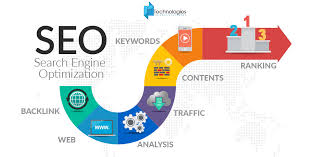
The Power of SEO Analysis Tools: A Closer Look at Google’s Offerings
Search Engine Optimization (SEO) is a vital component of any successful online presence. To enhance your website’s visibility and drive organic traffic, it’s crucial to utilise powerful SEO analysis tools. Google, being the dominant player in the search engine realm, offers a range of tools that can provide valuable insights into your website’s performance.
Google Search Console
Google Search Console is a free tool provided by Google that allows webmasters to monitor, maintain, and troubleshoot their website’s presence in Google search results. With features such as performance reports, URL inspection tool, and sitemap submission, Search Console offers invaluable data to improve your site’s SEO performance.
Google Analytics
Google Analytics is another essential tool for understanding your website traffic and user behaviour. By integrating Google Analytics with your site, you can track key metrics such as traffic sources, user demographics, and conversion rates. This data is crucial for refining your SEO strategy and identifying areas for improvement.
Google PageSpeed Insights
Website speed is a critical factor in both user experience and search engine rankings. Google PageSpeed Insights analyses your site’s loading speed on both desktop and mobile devices and provides suggestions for optimisation. By improving your site speed based on these recommendations, you can enhance user satisfaction and boost your SEO performance.
Conclusion
Google’s suite of SEO analysis tools provides webmasters with the resources needed to enhance their website’s visibility and performance in search results. By leveraging tools such as Google Search Console, Analytics, and PageSpeed Insights, you can gain valuable insights into your site’s SEO health and make informed decisions to drive organic traffic growth.
Answers to Common Questions About Using Google Tools for SEO Analysis
- What is Google Search Console?
- How can Google Analytics benefit my SEO strategy?
- What is the importance of website speed for SEO?
- How do I submit a sitemap using Google Search Console?
- Can I track keyword performance using Google Analytics?
- Does using these tools guarantee higher search engine rankings?
What is Google Search Console?
Google Search Console is a powerful tool provided by Google that serves as a webmaster’s best friend when it comes to monitoring, maintaining, and enhancing their website’s presence in Google search results. This free tool offers a wealth of features, including performance reports, URL inspection tools, sitemap submission capabilities, and more. By utilising Google Search Console, webmasters can gain valuable insights into how their site is performing in search results, identify issues that may be impacting visibility, and make informed decisions to improve their site’s SEO health and overall online presence.
How can Google Analytics benefit my SEO strategy?
Google Analytics plays a crucial role in enhancing an SEO strategy by providing valuable insights into website performance and user behaviour. By utilising Google Analytics, website owners can track key metrics such as organic traffic sources, user engagement, bounce rates, and conversion rates. This data allows for a deeper understanding of how users interact with the site and which aspects of the SEO strategy are driving results. With this information at hand, webmasters can make informed decisions to optimise content, keywords, and user experience to improve search engine rankings and overall SEO performance.
What is the importance of website speed for SEO?
Website speed plays a crucial role in SEO performance, impacting both user experience and search engine rankings. Search engines like Google consider page loading speed as a key ranking factor, with faster websites often receiving higher visibility in search results. A slow-loading website can lead to higher bounce rates, lower user engagement, and ultimately, a negative impact on SEO efforts. By prioritising website speed optimisation through tools like Google PageSpeed Insights and implementing best practices such as image compression, browser caching, and minimising server response time, website owners can improve their SEO performance and provide a better experience for visitors.
How do I submit a sitemap using Google Search Console?
Submitting a sitemap using Google Search Console is a straightforward process that can greatly benefit your website’s SEO performance. To submit a sitemap, first log in to your Google Search Console account. Navigate to the ‘Sitemaps’ section under the ‘Index’ menu. Click on the ‘Add/Test Sitemap’ button and enter the URL of your sitemap file. Once you have submitted the sitemap, Google will crawl and index the pages listed in it, helping improve your site’s visibility in search results. Regularly updating and submitting your sitemap ensures that search engines have access to the latest information about your website’s structure and content, ultimately enhancing its overall SEO effectiveness.
Can I track keyword performance using Google Analytics?
One frequently asked question regarding SEO analysis tools on Google is, “Can I track keyword performance using Google Analytics?” While Google Analytics provides valuable insights into website traffic and user behaviour, it does not offer a direct way to track keyword performance. Instead, webmasters can utilise Google Search Console to monitor keyword rankings, impressions, and click-through rates. By integrating data from both Google Analytics and Search Console, webmasters can gain a comprehensive understanding of their website’s SEO performance and make informed decisions to enhance keyword strategies for improved visibility in search results.
Does using these tools guarantee higher search engine rankings?
The use of SEO analysis tools provided by Google, such as Search Console, Analytics, and PageSpeed Insights, does not guarantee higher search engine rankings on its own. While these tools offer valuable insights into your website’s performance and user behaviour, achieving higher search engine rankings requires a comprehensive SEO strategy that encompasses various factors such as quality content, relevant keywords, backlinking, and user experience. Utilising Google’s SEO analysis tools can certainly help in identifying areas for improvement and optimisation, but success in search engine rankings ultimately depends on the implementation of a well-rounded SEO approach tailored to your specific goals and target audience.