The Power of PPC in Digital Marketing
Pay-Per-Click (PPC) advertising is a powerful tool in the realm of digital marketing. It offers businesses a way to reach their target audience effectively, drive quality traffic to their websites, and achieve measurable results. Let’s delve into the world of PPC and explore how it can benefit your marketing strategy.
What is PPC?
PPC is a form of online advertising where advertisers pay a fee each time their ad is clicked. It allows businesses to bid for ad placement in search engine results or on websites, targeting specific keywords or demographics. This model ensures that advertisers only pay when their ads are clicked, making it a cost-effective way to drive traffic to their websites.
The Benefits of PPC
Targeted Reach: With PPC, you can target your ads to specific audiences based on factors such as location, demographics, interests, and more. This targeted approach ensures that your ads are reaching the right people at the right time.
Immediate Results: Unlike organic search engine optimization (SEO) efforts that take time to show results, PPC campaigns can generate immediate traffic to your website. This makes it an ideal choice for businesses looking to boost their online visibility quickly.
Measurable ROI: One of the key advantages of PPC is its ability to provide detailed insights into campaign performance. You can track metrics such as clicks, impressions, conversions, and ROI in real-time, allowing you to make data-driven decisions and optimize your campaigns for better results.
Key Elements of a Successful PPC Campaign
Keyword Research: Identifying relevant keywords that align with your business goals is crucial for a successful PPC campaign. Conduct thorough keyword research to target high-intent keywords that are likely to drive conversions.
Compelling Ad Copy: Craft engaging ad copy that resonates with your target audience and encourages them to click on your ads. Highlight unique selling points, promotions, or calls-to-action to entice users to visit your website.
Landing Page Optimization: Ensure that your landing pages are optimized for conversions by providing relevant content, clear CTAs, and a seamless user experience. A well-designed landing page can significantly impact the success of your PPC campaigns.
In Conclusion
PPC advertising plays a vital role in modern digital marketing strategies by offering businesses a targeted and measurable way to reach their audience online. By leveraging the power of PPC effectively, businesses can drive quality traffic to their websites, increase brand awareness, and achieve tangible results in terms of leads and sales.
If you’re looking to enhance your online presence and maximise your marketing efforts, consider incorporating PPC into your digital strategy – it could be the key to unlocking new opportunities and driving business growth.
Understanding PPC in Digital Marketing: 14 Common Questions Answered
- What is SEO and PPC?
- What is the 3-3-3 rule for marketing?
- What are the types of PPC?
- What is PPC vs SEO?
- What is PPC and how it works?
- How does PPC work?
- What is an example of a PPC?
- What is PPC and SEO?
- What is PPC marketing in digital marketing?
- What is PPC and SEO explain?
- Why PPC is used in digital marketing?
- What are the 4 C’s of PPC in digital marketing?
- What is an example of PPC?
- What is PPC and how does it work?
What is SEO and PPC?
SEO (Search Engine Optimization) and PPC (Pay-Per-Click) are two distinct yet complementary strategies in digital marketing. SEO focuses on optimizing a website to improve its organic search engine rankings, driving free, consistent traffic over time. On the other hand, PPC involves paying for ad placement on search engines or websites to generate immediate traffic through targeted ads. While SEO is a long-term strategy that builds credibility and authority, PPC offers instant visibility and control over ad placements. Both SEO and PPC play essential roles in enhancing online visibility, attracting quality leads, and maximising the overall impact of a digital marketing campaign.
What is the 3-3-3 rule for marketing?
The 3-3-3 rule for marketing in the context of PPC refers to a strategic approach that involves setting a budget of £3 per day, targeting 3 keywords, and creating 3 ads for a campaign. This rule provides a simple yet effective framework for businesses looking to kickstart their PPC efforts with a manageable budget and focused targeting. By adhering to the 3-3-3 rule, businesses can test different keywords and ad variations, track performance metrics closely, and make data-driven decisions to optimise their campaigns for better results in digital marketing.
What are the types of PPC?
In digital marketing, there are various types of PPC advertising that businesses can leverage to reach their target audience effectively. Some common types of PPC include Search Advertising, where ads appear in search engine results based on specific keywords; Display Advertising, which involves placing visual ads on websites within a network; Social Media Advertising, where ads are displayed on social media platforms targeting specific demographics; and Remarketing, which allows businesses to target users who have previously visited their website. Each type of PPC offers unique benefits and can be tailored to suit different marketing objectives and target audiences.
What is PPC vs SEO?
A frequently asked question in digital marketing is the difference between PPC and SEO. Pay-Per-Click (PPC) and Search Engine Optimization (SEO) are two distinct strategies for increasing online visibility and driving traffic to websites. PPC involves paying for ad placement on search engine results pages, with advertisers paying each time their ad is clicked. On the other hand, SEO focuses on optimizing website content and structure to improve organic search engine rankings. While PPC offers immediate visibility and control over ad placement, SEO is a long-term strategy that aims to enhance organic traffic through quality content and technical optimizations. Both PPC and SEO play crucial roles in a comprehensive digital marketing strategy, each offering unique benefits and opportunities for businesses to reach their target audience effectively.
What is PPC and how it works?
Pay-Per-Click (PPC) is a form of online advertising where advertisers pay a fee each time their ad is clicked. It works by allowing businesses to bid on specific keywords or target audiences, with the highest bidder securing the top ad placement. When a user searches for relevant keywords or visits a website where the ad is displayed, the advertiser’s ad may appear. If the user clicks on the ad, the advertiser pays a predetermined fee. This model ensures that businesses only pay when their ads generate clicks, making PPC an efficient and measurable way to drive targeted traffic to their websites and achieve marketing objectives.
How does PPC work?
PPC, or Pay-Per-Click advertising, operates on a simple yet effective model that allows advertisers to bid for ad placement in search engine results or on websites. When a user searches for specific keywords related to the advertiser’s offerings, relevant ads are displayed. Advertisers only pay when their ad is clicked, hence the name “Pay-Per-Click.” This system ensures that businesses can target their desired audience effectively and drive traffic to their websites in a cost-efficient manner. By understanding how PPC works and strategically bidding on keywords, businesses can enhance their online visibility, attract quality leads, and achieve measurable results in their digital marketing campaigns.
What is an example of a PPC?
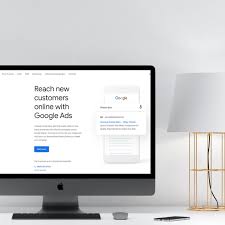
An example of a PPC (Pay-Per-Click) advertising platform is Google Ads, formerly known as Google AdWords. With Google Ads, businesses can create text, display, or video ads that appear on Google search results pages and across the Google Display Network. Advertisers bid on keywords relevant to their target audience, and their ads are displayed to users who search for those keywords or visit websites within the network. When a user clicks on the ad, the advertiser pays a fee based on the bid amount. Google Ads provides robust targeting options, detailed analytics, and the ability to track and measure campaign performance effectively.
What is PPC and SEO?
“PPC and SEO are two essential components of digital marketing that work hand in hand to enhance a brand’s online visibility and drive traffic to their website. PPC, short for Pay-Per-Click, involves advertisers paying a fee each time their ad is clicked, allowing them to appear prominently in search engine results. On the other hand, SEO, or Search Engine Optimization, focuses on optimizing a website’s content and structure to improve its organic search rankings. While PPC offers immediate visibility through paid ads, SEO provides long-term benefits by boosting a website’s organic traffic and credibility. By combining the strengths of PPC and SEO strategies, businesses can create a comprehensive digital marketing approach that maximizes their online presence and generates sustainable results.”
What is PPC marketing in digital marketing?
PPC marketing in digital marketing refers to a paid advertising model where businesses pay a fee each time their ad is clicked. It is a strategic approach that allows advertisers to bid for placement in search engine results or on websites, targeting specific keywords or demographics. PPC marketing offers businesses a cost-effective way to drive targeted traffic to their websites, increase brand visibility, and generate leads. With its ability to provide real-time insights and measurable results, PPC marketing is a valuable tool for businesses looking to enhance their online presence and achieve tangible outcomes in the competitive digital landscape.
What is PPC and SEO explain?
PPC, short for Pay-Per-Click, is a form of online advertising where advertisers pay a fee each time their ad is clicked. It allows businesses to bid for ad placement in search engine results or on websites, targeting specific keywords or demographics. On the other hand, SEO (Search Engine Optimization) is the process of optimizing a website to improve its visibility in organic search engine results. While PPC provides immediate visibility through paid ads, SEO focuses on enhancing a website’s relevance and authority to rank higher in organic search results over time. Both PPC and SEO are essential components of a comprehensive digital marketing strategy, each offering unique benefits and working together to drive quality traffic and achieve marketing goals effectively.
Why PPC is used in digital marketing?
PPC is a fundamental component of digital marketing due to its ability to deliver targeted and immediate results. Businesses utilise PPC advertising to reach their specific target audience effectively, drive quality traffic to their websites, and achieve measurable outcomes. By paying only when users click on their ads, companies can control their advertising budget more efficiently and track the performance of their campaigns in real-time. This data-driven approach allows businesses to make informed decisions, optimize their strategies for better results, and ultimately enhance their online visibility and conversion rates.
What are the 4 C’s of PPC in digital marketing?
In the realm of digital marketing, the 4 C’s of PPC play a crucial role in shaping successful campaigns. These 4 C’s – Cost, Clicks, Conversions, and Campaigns – are fundamental pillars that guide advertisers in maximising the effectiveness of their pay-per-click strategies. Understanding the cost implications, monitoring click-through rates, tracking conversions, and optimising campaign performance are key components that contribute to the overall success of PPC initiatives. By focusing on these 4 C’s, businesses can fine-tune their PPC efforts to drive targeted traffic, enhance user engagement, and ultimately achieve their desired marketing objectives.
What is an example of PPC?
An example of PPC in digital marketing is Google Ads, formerly known as Google AdWords. With Google Ads, businesses can create text, display, or video ads that appear on Google’s search engine results pages or across its vast network of partner websites. Advertisers bid on specific keywords relevant to their products or services and pay each time a user clicks on their ad. This model allows businesses to target their audience effectively, drive traffic to their websites, and measure the success of their campaigns through metrics such as click-through rates and conversions. Google Ads is a prominent example of how PPC can be utilised to reach potential customers and achieve marketing objectives in the digital landscape.
What is PPC and how does it work?
Pay-Per-Click (PPC) is a form of online advertising where advertisers pay a fee each time their ad is clicked. In essence, it’s a way to buy visits to your site rather than earning them organically. When someone searches for specific keywords related to your business, your ad may appear at the top of search engine results or on relevant websites. Advertisers bid on keywords, and the highest bidder typically gets the top placement. However, it’s not just about bidding the most – factors like ad relevance and quality also play a crucial role in determining ad rank. Essentially, PPC works by allowing businesses to reach their target audience effectively, drive traffic to their websites, and only pay when someone clicks on their ads.