The Importance of Search Engine Optimization for Google Sites
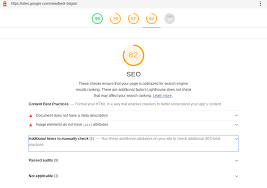
Google Sites is a powerful platform for creating websites, but without proper search engine optimization (SEO), your site may struggle to rank well in search engine results pages (SERPs). SEO is essential for improving your site’s visibility and attracting organic traffic. Here are some key strategies to optimise your Google Site for search engines:
Keyword Research:
Identify relevant keywords that your target audience is likely to use when searching for content related to your site. Incorporate these keywords naturally into your site’s content, headings, and meta tags.
Optimised Content:
Create high-quality, engaging content that provides value to your visitors. Use headings, subheadings, and bullet points to make your content easy to read. Include multimedia elements like images and videos to enhance user experience.
Mobile-Friendly Design:
Ensure that your Google Site is responsive and mobile-friendly. Google prioritises mobile-friendly sites in its search rankings, so optimising for mobile devices is crucial for SEO success.
Page Speed Optimization:
Improve your site’s loading speed by optimising images, minifying code, and leveraging browser caching. Faster-loading sites tend to rank higher in search results.
Internal Linking:
Create a clear internal linking structure within your site to help search engines understand the hierarchy of your content. Link relevant pages together using descriptive anchor text.
Submit Your Site to Google:
Submit your Google Site to Google Search Console to monitor its performance in search results and identify any issues that may be affecting its visibility.
In conclusion, implementing effective SEO strategies is essential for improving the visibility and ranking of your Google Site in search engine results. By following these tips and staying up-to-date with the latest SEO best practices, you can enhance the online presence of your site and attract more organic traffic.
Top 5 Benefits of Google Sites SEO: Boost Visibility, Traffic, and Credibility
- 1. Improve Visibility
- 2. Increase Organic Traffic
- 3. Enhance User Experience
- 4. Build Credibility
- 5. Cost-Effective Marketing
Challenges in Google Sites SEO: Navigating Customisation, Complexity, and Control Limitations
- Limitations in Customisation
- Complex SEO Features
- Limited Plugin Support
- Restricted Control Over Code
- Difficulty in Implementing Structured Data
- Limited URL Structure Options
- SEO Updates Dependency
1. Improve Visibility
By implementing Google Sites SEO strategies, you can significantly improve the visibility of your website in search engine results. Enhancing your site’s visibility makes it more accessible to users seeking relevant content, ultimately increasing the chances of attracting organic traffic. With improved visibility, your website can reach a wider audience and stand out among competitors in the digital landscape.
2. Increase Organic Traffic
By optimising your Google Site for search engines, you can significantly increase organic traffic to your website. This means that by implementing effective SEO strategies, you can improve your site’s visibility in search engine results pages, making it easier for users to discover your content without the reliance on paid advertising. By attracting more organic traffic, you not only enhance the credibility and relevance of your site but also reduce the costs associated with paid promotions, ultimately leading to sustainable growth and long-term success.
3. Enhance User Experience
By implementing SEO practices such as mobile optimization and fast page loading speed on Google Sites, businesses can significantly enhance user experience. Ensuring that a website is responsive and loads quickly not only pleases search engines but also captivates visitors, resulting in higher engagement levels. When users have a seamless browsing experience, they are more likely to stay on the site longer, explore its content, and potentially convert into customers. Prioritizing user experience through effective SEO strategies can ultimately lead to increased satisfaction and interaction with the website’s audience.
4. Build Credibility
By ranking well in search results through SEO on Google Sites, you can effectively build credibility and trust with your audience. When your site appears prominently in search engine listings, it signals to users that your content is relevant and valuable. This visibility establishes your site as a reliable and authoritative source of information, helping to strengthen the trust that visitors have in your brand. As a result, implementing SEO strategies not only improves your site’s visibility but also enhances its reputation and credibility among users seeking trustworthy information online.
5. Cost-Effective Marketing
Investing in Google Sites SEO offers a cost-effective marketing solution for businesses looking to enhance their online presence. By optimising your site for search engines, you can expand your reach and attract a broader audience without incurring hefty marketing expenses. This approach not only helps in increasing visibility but also ensures that your business is discoverable by potential customers searching for relevant products or services. With Google Sites SEO, businesses can achieve significant results in online marketing while staying within budget constraints, making it a practical and efficient strategy for long-term growth.
Limitations in Customisation
One significant drawback of utilising Google Sites for search engine optimisation is the limitations in customisation it imposes. These constraints can hinder your efforts to fully optimise the site for SEO purposes. From restricted access to certain SEO elements to limited flexibility in customising key aspects of the site, such as meta tags and structured data, Google Sites’ inherent restrictions may impede your ability to implement advanced SEO strategies and achieve optimal visibility in search engine results pages.
Complex SEO Features
One notable disadvantage of using Google Sites for search engine optimization is its limited access to complex SEO features. In comparison to dedicated website platforms or content management systems (CMS), Google Sites may not offer the same level of advanced functionalities that are crucial for implementing sophisticated SEO strategies. This can hinder users who require more intricate tools for optimising their site’s performance in search engine results pages. Without access to these advanced features, users may find it challenging to fully maximise their site’s SEO potential and compete effectively in the digital landscape.
Limited Plugin Support
One significant drawback of utilising Google Sites for search engine optimisation is its limited plugin support. Unlike other website building platforms, Google Sites may not offer compatibility with a diverse array of SEO plugins and tools that are designed to boost your optimisation endeavours. This restriction can hinder your ability to implement advanced SEO techniques and strategies, potentially limiting the effectiveness of your site’s optimisation efforts.
Restricted Control Over Code
One significant drawback of utilising Google Sites for search engine optimisation is the restricted control over the site’s code. As Google Sites may limit access to the underlying code, implementing advanced technical SEO strategies can be challenging. This limitation hinders the ability to make customised adjustments that are crucial for optimising certain aspects of the site for improved search engine visibility. Without full control over the code, website owners may find it difficult to implement complex SEO techniques that could significantly enhance their site’s performance in search engine results.
Difficulty in Implementing Structured Data
In the realm of Google Sites search engine optimization, a notable challenge arises in implementing structured data. The incorporation of structured data markup for rich snippets and enhanced SERP features can prove to be a daunting task on this platform. Due to limitations in customisation and access to underlying code, users may find it difficult to seamlessly integrate structured data, hindering their ability to fully leverage these valuable SEO elements. This con highlights the importance of considering the platform’s constraints when aiming to optimise a Google Site for enhanced search engine visibility and user engagement.
Limited URL Structure Options
One significant drawback of utilising Google Sites for search engine optimisation is the limited URL structure options it offers. This limitation can hinder your efforts to create keyword-rich URLs that are essential for enhancing search engine visibility. With Google Sites restricting the flexibility in customising URLs, businesses may find it challenging to optimise their web addresses effectively to align with their targeted keywords and improve their ranking in search results.
SEO Updates Dependency
One significant drawback of relying on search engine optimization for Google Sites is the dependency on SEO updates. Any alterations or updates implemented by Google to its algorithm or ranking criteria can have a direct impact on the efficacy of your SEO strategies for Google Sites. These changes can potentially disrupt your site’s performance in search engine results, requiring constant monitoring and adjustment to maintain or improve your site’s visibility and ranking. The evolving nature of search algorithms poses a challenge for website owners using Google Sites, as they must adapt quickly to stay ahead in the ever-changing digital landscape.