Online Advertising: A Practical Guide for Businesses
Online advertising helps businesses reach potential customers across websites, search engines, social media and other digital platforms. It can support a range of goals, from building brand awareness to generating enquiries and increasing sales. The right approach depends on your audience, budget and what you want people to do.
What is online advertising?
Online advertising is paid promotion delivered through digital channels. Unlike organic marketing, which aims to attract attention without paying for each placement, online advertising lets businesses pay to show messages to selected audiences or in specific contexts.
Common formats include search adverts, social media promotions, display banners, online video adverts and sponsored content. Many platforms offer targeting options based on factors such as location, interests, search activity or interactions with a website.
Common types of online advertising
Search advertising
Search adverts appear on search engine results pages, often alongside or above unpaid results. They can help a business reach people who are actively looking for a product, service or answer. Advertisers usually bid on relevant search terms and pay when someone clicks an advert.
Social media advertising
Social platforms offer paid placements in feeds, stories, videos and other areas. These adverts can be useful for reaching people by location, interests or other permitted audience characteristics. They can also encourage actions such as visiting a website, watching a video or making a purchase.
Display advertising
Display adverts use visual formats, such as banners, across websites and apps. They can introduce a brand to new audiences or remind previous visitors about a product or service. Strong design and a clear message are important, as people may see these adverts while focused on other content.
Video advertising
Video adverts appear on streaming services, social platforms and websites. They can explain a product, demonstrate how something works or tell a brand story. Short videos often work well for quick messages, while longer formats may suit more detailed information.
Sponsored content
Sponsored content is paid material published or promoted through a publisher, creator or platform. It may resemble the surrounding editorial or social content, so it should be clearly identified as advertising.
Benefits of online advertising
- Audience targeting: Campaigns can be tailored to relevant groups, locations or search activity.
- Flexible budgets: Many platforms allow businesses to set spending limits and adjust campaigns over time.
- Measurable results: Advertisers can track metrics such as impressions, clicks, enquiries and sales.
- Fast testing: Different messages, images and landing pages can be tested to see what performs best.
- Scalability: Successful campaigns can often be expanded, while underperforming adverts can be revised or paused.
These benefits are not automatic. Results depend on factors such as the quality of the offer, audience selection, competition, creative execution and the experience people have after clicking an advert.
How to plan an online advertising campaign
- Set a clear objective. Decide whether the campaign should raise awareness, attract website visits, generate leads or drive sales.
- Understand your audience. Consider who is most likely to need your product or service, what questions they have and where they spend time online.
- Choose suitable channels. Select platforms that match your audience and objective rather than trying to advertise everywhere at once.
- Set a realistic budget. Decide how much you can spend, and allow enough time to gather useful performance data.
- Create a relevant advert. Use a clear message, an appropriate image or video and a specific call to action.
- Build a useful landing page. Make sure the page matches the advert and gives visitors a straightforward next step.
- Measure and improve. Review performance regularly, test changes and use the results to guide future decisions.
Measuring performance
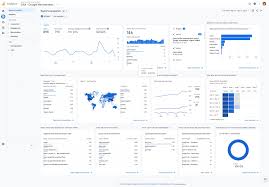
The most useful measures depend on the campaign’s objective. Reach and impressions can indicate how widely an advert was shown. Click-through rate shows how often people clicked after seeing it. For campaigns focused on business outcomes, it is also important to track actions such as completed forms, calls, bookings or purchases.
Look beyond clicks alone. A campaign may attract plenty of visitors but produce few meaningful enquiries. Tracking conversions and comparing them with campaign costs can provide a clearer picture of value. Make sure tracking is set up correctly and that any measurement practices comply with applicable privacy requirements.
Common mistakes to avoid
- Launching a campaign without a specific objective
- Choosing an audience that is too broad or too narrow
- Sending visitors to a slow, confusing or irrelevant page
- Focusing on clicks instead of meaningful outcomes
- Changing campaigns too frequently to gather reliable data
- Failing to disclose sponsored or paid content clearly
Advertising responsibly
Online adverts should be honest, accurate and clear about what is being offered. Businesses should also follow the relevant advertising standards, platform rules and data protection requirements. In the UK, the Advertising Standards Authority (ASA) provides guidance on advertising standards, while the Information Commissioner’s Office (ICO) offers information about data protection and online tracking.
Conclusion
Online advertising can help businesses connect with relevant audiences and support measurable growth. The strongest campaigns begin with a clear objective, a well-understood audience and a useful offer. By choosing suitable channels, monitoring meaningful results and improving campaigns over time, businesses can make more informed use of their advertising budget.
6 Benefits of Online Advertising for Your Business
- Reaches targeted audiences
- Offers flexible budgets
- Delivers measurable results
- Can drive website traffic
- Supports quick campaign testing
- Scales as your business grows
Key Drawbacks of Online Advertising
Reaches targeted audiences
Online advertising can help businesses reach targeted audiences by showing adverts to people based on factors such as location, interests, search activity or previous interactions with a website. This makes it easier to put relevant products and services in front of potential customers, rather than relying on a broad message for everyone. When targeting is well planned, businesses can use their advertising budget more efficiently and create campaigns that speak directly to the needs of the people they want to reach.
Offers flexible budgets
Online advertising offers flexible budgets, making it accessible to businesses of different sizes. You can choose how much to spend, set daily or campaign limits, and adjust your budget as results come in. This allows you to start small, test different adverts and channels, then invest more in the approaches that best support your goals.
Delivers measurable results
One of the key advantages of online advertising is that it delivers measurable results. Businesses can track how many people see or click an advert, as well as actions such as website visits, enquiries and purchases. These insights make it easier to assess whether a campaign is meeting its goals, understand which messages resonate with the audience and adjust spending or content to improve performance.
Can drive website traffic
Online advertising can drive targeted traffic to your website by placing your business in front of people who are already searching for relevant products or services, or who are likely to be interested in what you offer. With a clear message and a direct link, an advert can encourage potential customers to visit a specific page, explore your services or make an enquiry.
Supports quick campaign testing
Online advertising makes it quick to test different campaign ideas, from headlines and images to audiences and calls to action. By comparing performance data, businesses can see which versions attract attention and encourage the desired response, then adjust their campaigns accordingly. This helps them make informed improvements without committing their entire budget to one approach.
Scales as your business grows
Scales as your business grows
Online advertising can grow alongside your business. You can begin with a modest budget, test which channels and messages work best, then increase spending as your goals and capacity expand. Campaigns can also be adapted to reach new audiences, promote additional products or enter new locations, helping you scale your marketing in a measured, flexible way.
Costs can rise quickly.
Online advertising costs can rise quickly, particularly in competitive industries where businesses bid against one another for popular keywords or audience attention. Without clear spending limits and regular monitoring, a campaign may use up its budget faster than expected, while clicks do not always lead to sales or enquiries. Setting a realistic budget, tracking results and adjusting underperforming adverts can help keep costs under control.
Ad blockers may limit reach.
Ad blockers can limit the reach of online advertising by preventing some adverts from appearing on websites and apps. This means campaigns may miss people who would otherwise be part of the intended audience, making it harder to build awareness or generate clicks. Businesses can reduce the impact by using a mix of channels and creating useful, relevant content, while ensuring their advertising is clear and respectful of users.
Poor targeting wastes budget.
Poor targeting can waste an online advertising budget by showing adverts to people who are unlikely to be interested in the product or service. This can lead to clicks with little chance of turning into enquiries or sales, while the campaign continues to incur costs. Carefully defining the intended audience and reviewing campaign data can help businesses spend their budget more effectively.